
Last updated October 15, 2026
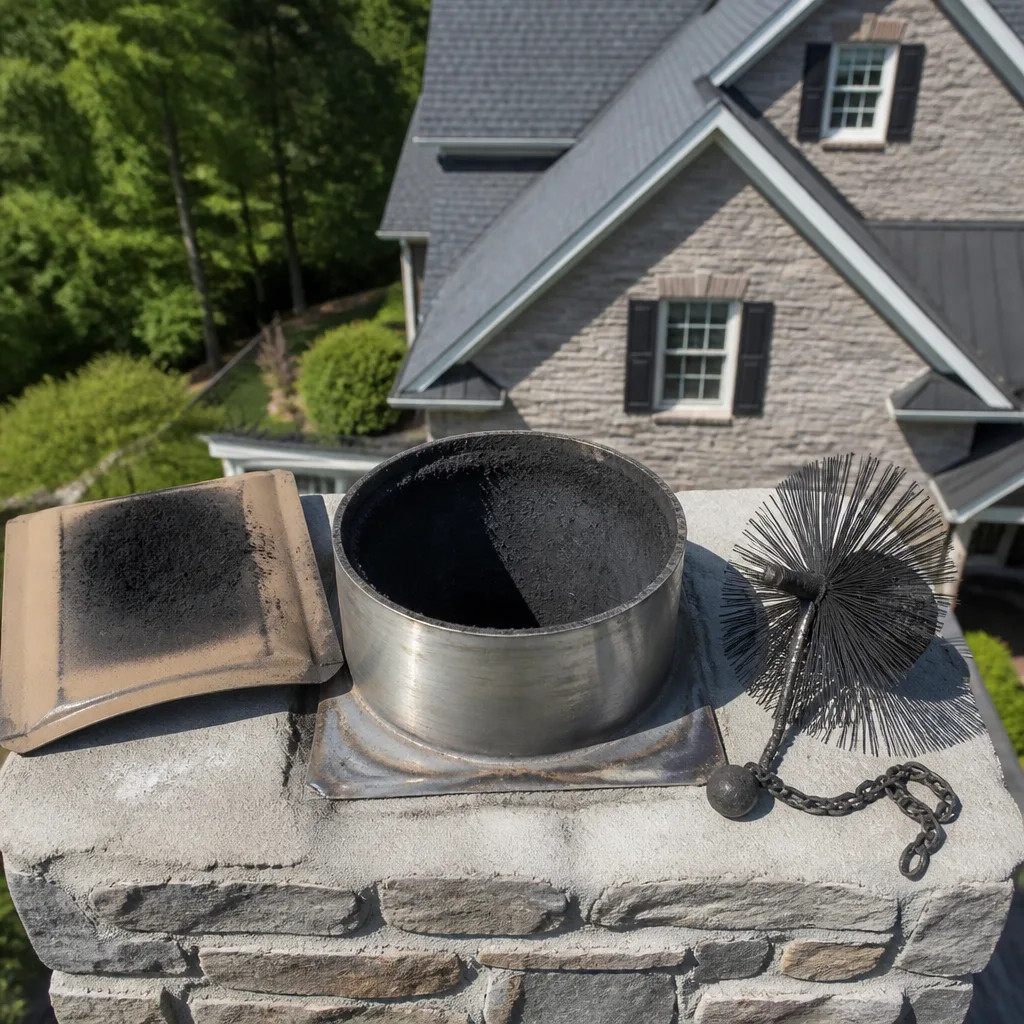 Sweep & inspection
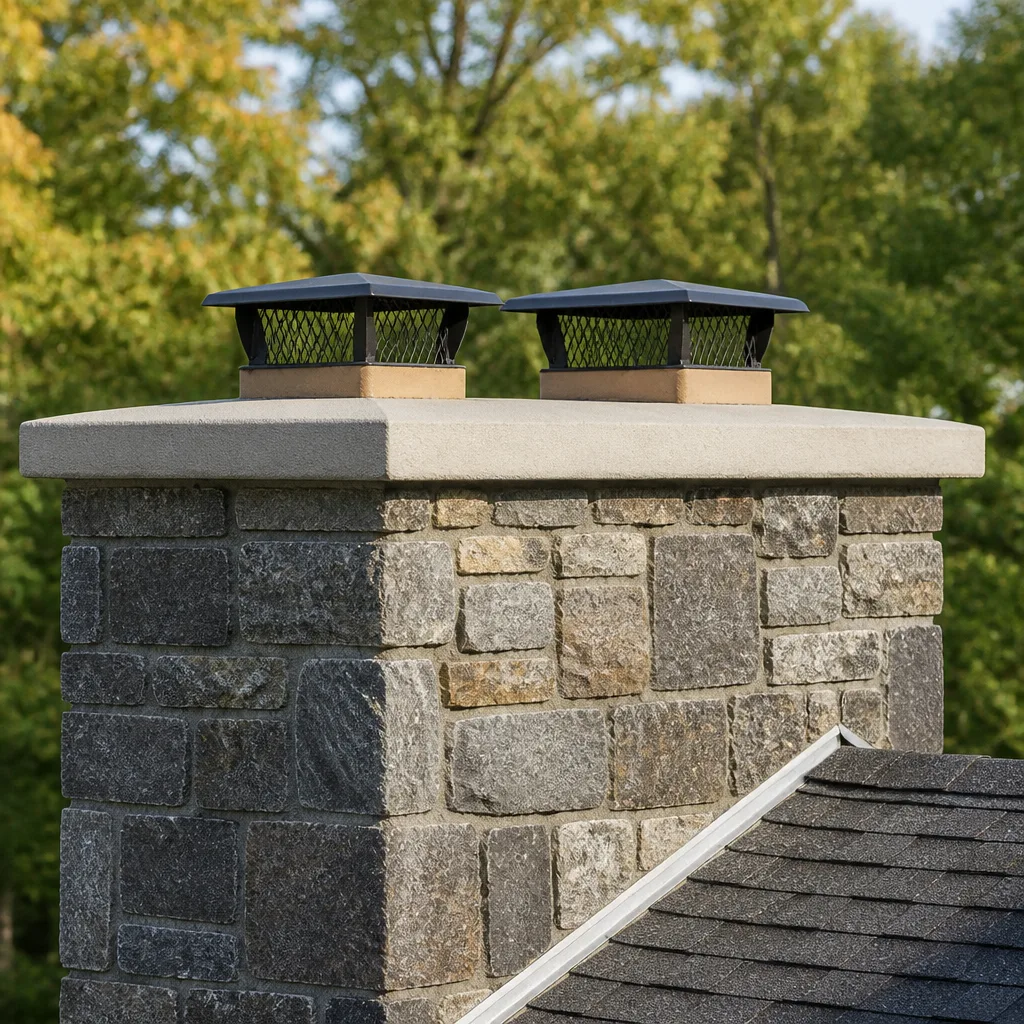 Caps & crowns
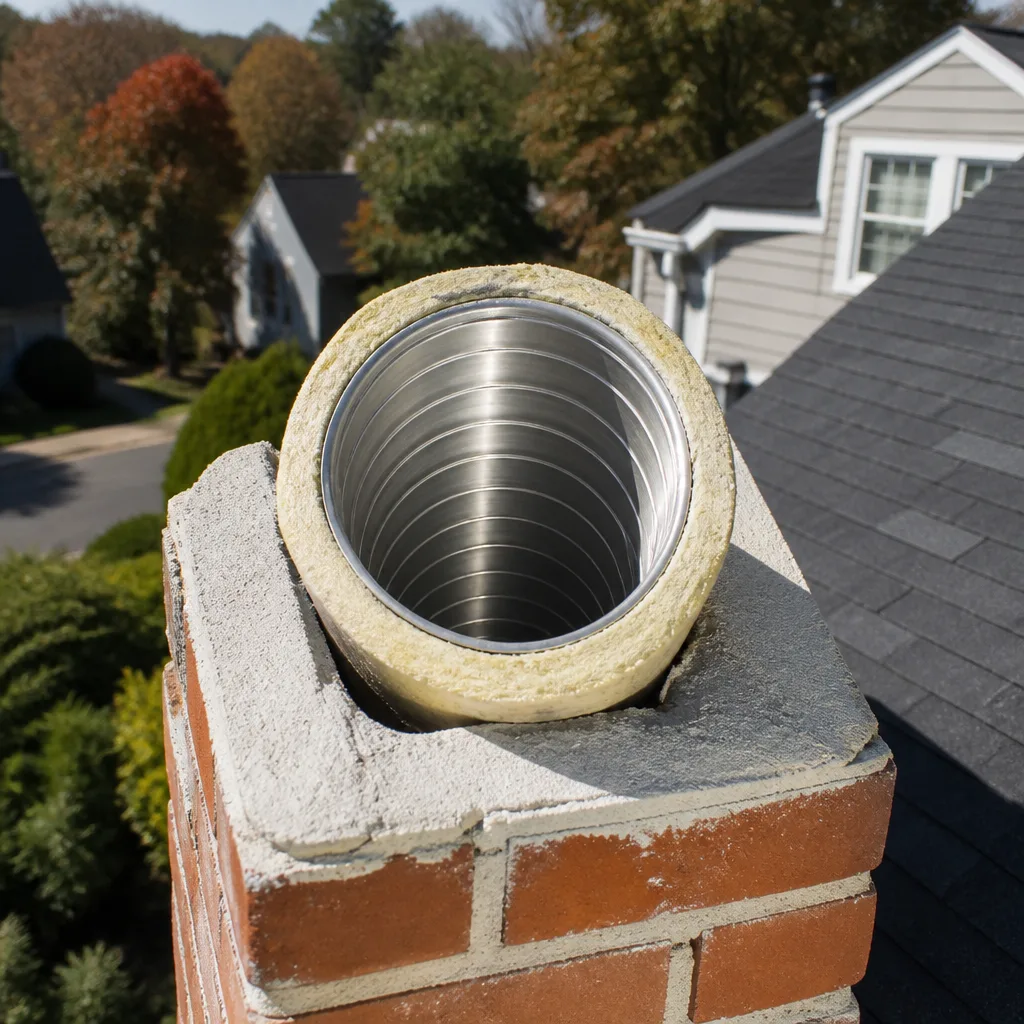 Flue relining
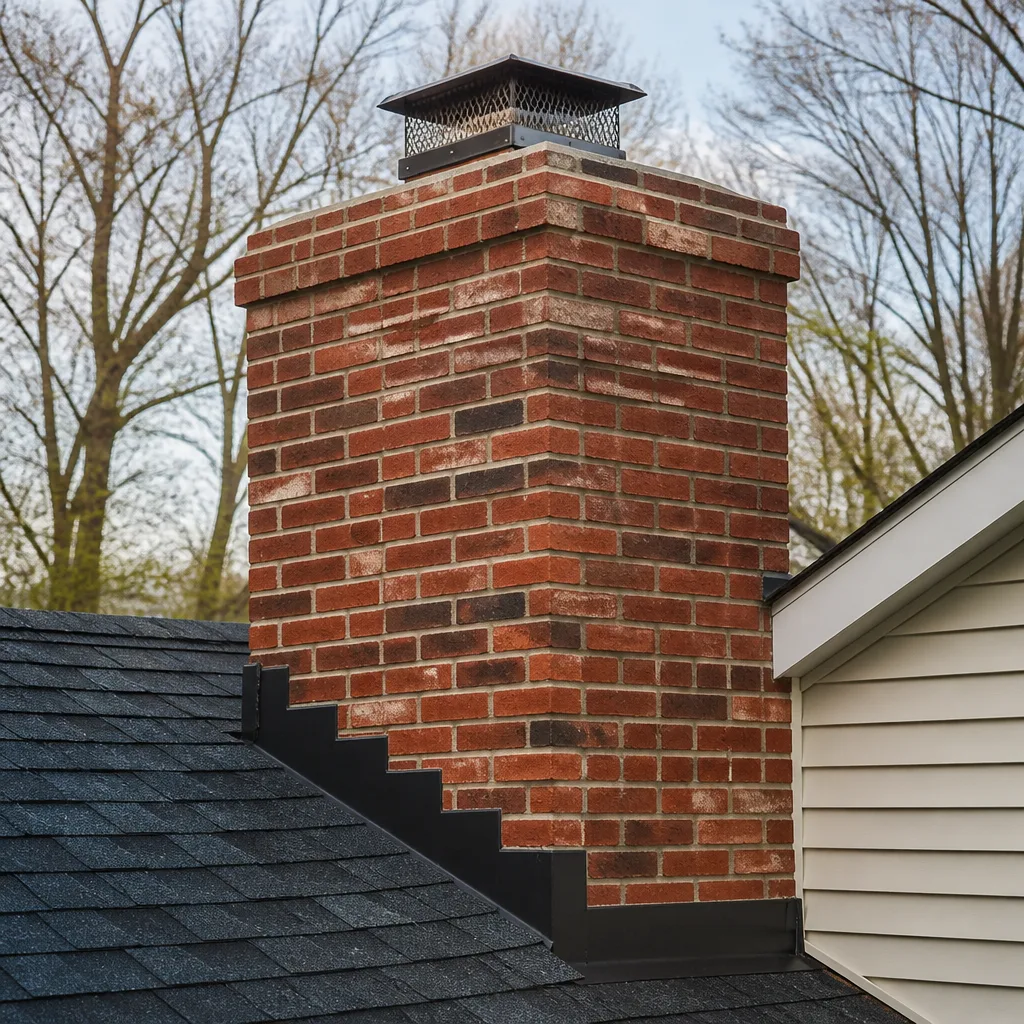 Masonry repair
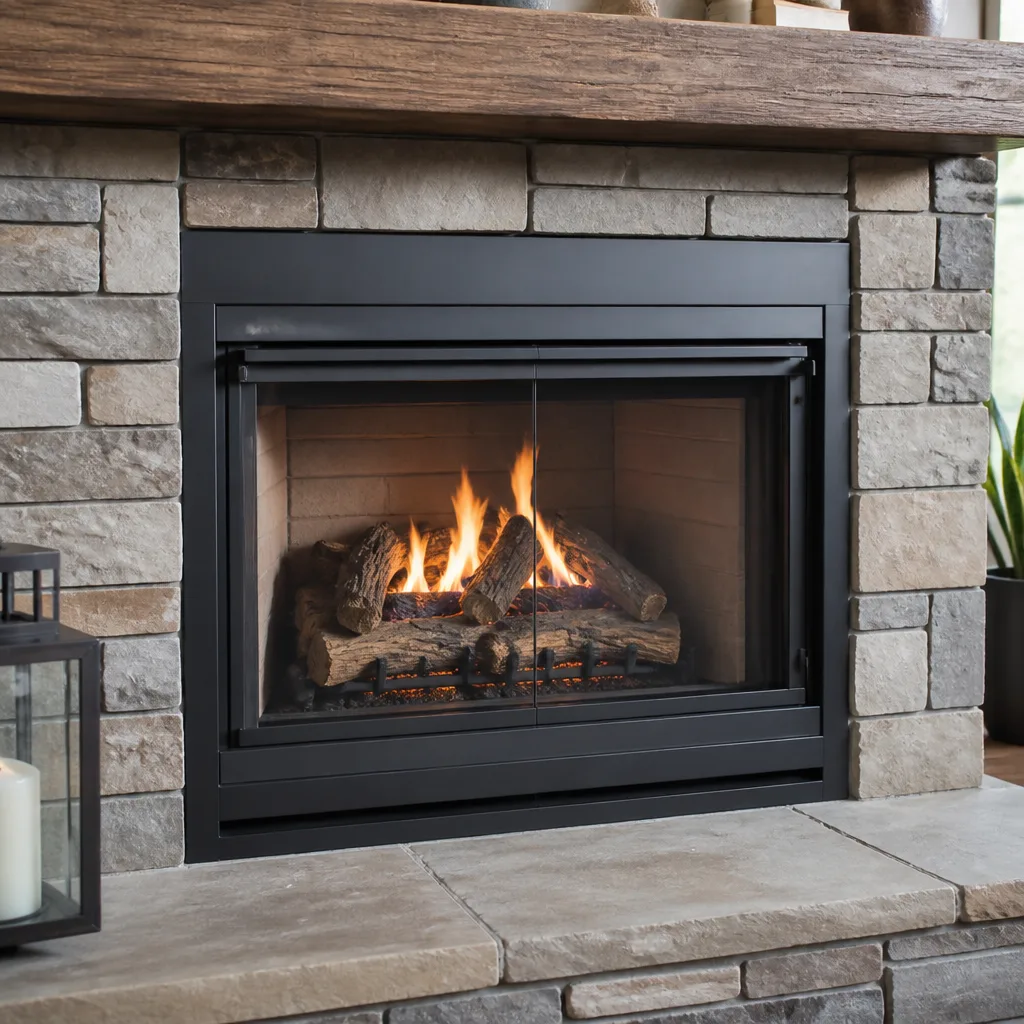 Gas fireplace service
Level 1 sweep and inspection to the NFPA 211 annual standard - flue, crown, cap, and flashing checked and photographed
Chimney sweep logs do not sweep chimneys. They loosen some creosote - which then falls where a brush and vacuum still have to collect it.
The Complete Guide to Chimney Cleaning in Long Beach
A fireplace that gets used 8 to 12 times a year should not need much attention, but in Long Beach it often needs more, and for reasons that have nothing to do with how much wood you burn. The fail point for coastal chimneys is rarely creosote. It’s salt air working on metal, spiders and starlings building in a flue that sits silent for 10 months, and dampers rusted partway open. This guide covers what actually happens to chimneys in Long Beach, what cleaning should cost here, what a written scope of work looks like, and how to know whether the report you’re handed reflects a finished job or the start of an upsell. For more guides & resources on keeping your fireplace safe, see our blog.
Styles & brands we work with
Quick Answer
Chimney cleaning in Long Beach typically costs between $149 and $259 for a standard open-flue fireplace, and the work takes about an hour. Coastal homes should schedule a sweep and inspection once a year before the first burn, even when the fireplace gets barely used, because the real risks here are moisture, salt corrosion, and animal or debris blockage rather than creosote buildup.
Table of Contents
- Why Long Beach Chimneys Fail Differently Than Mountain or Valley Chimneys
- Signs Your Long Beach Chimney Needs Cleaning Now
- How Much Does Chimney Cleaning Cost in Long Beach?
- CSIA Level 1 vs. Level 2 Inspections: What Long Beach Homeowners Actually Need
- Marine Air and Your Chimney: Salt Corrosion on Liners, Dampers, and Caps
- What a Written Scope of Work Must Include Before Any Technician Starts
- How to Read a Chimney Cleaning Report Without Getting Played
- Common Mistakes to Avoid
- When to Call a Professional
- Frequently Asked Questions
- The Bottom Line
Why Long Beach Chimneys Fail Differently Than Mountain or Valley Chimneys
Most chimney cleaning advice on the internet was written for cold-weather markets where people burn a cord of wood a week from October through March. Apply that advice to Long Beach and you end up with bad guidance, which is why our Seasonal Chimney Cleaning Care for Long Beach: Year-Round Homeowner’s Guide takes a different approach. A homeowner in Big Bear might need a mid-season sweep. A homeowner in Bixby Knolls or Belmont Heights might burn 10 fires a year, all between November and February, and then leave the fireplace untouched for the rest of the year.
Low-use fireplaces develop problems on a different timeline, and the problems are different in kind. Creosote, the tar-like residue that national guides obsess over, forms when combustion gases cool and condense on the flue wall. It takes volume to build up. Ten fires a year in a properly drafted fireplace will not produce the heavy glazed creosote that fills a mountain chimney. What it will produce is a light sooty film, and that film is not your biggest concern.
Your biggest concern is what moves into a quiet flue. In Long Beach we regularly open dampers and find spider webbing thick enough to restrict airflow, wasp nests, starling nests built on top of the damper plate, and the kind of fine debris that rodents drag in. A flue that sits unused from March through November is an invitation. The second concern is moisture. Long Beach’s marine layer pushes damp air into the flue through an uncapped or poorly capped top, and that constant exposure does more damage to steel dampers and terra cotta liners than a decade of light fires.
Then there’s the salt. Homes within a mile or two of the coast are getting a constant low dose of airborne chloride. It settles on the chimney cap, works its way into the rain, and drips down onto the damper assembly. Mild steel components rust faster here than they would 20 miles inland. Galvanized caps lose their zinc layer and start rusting. This is the pattern that makes coastal chimney maintenance genuinely different, and it’s why the Flint Chimney Co Long Beach home page and our service pages lead with inspection rather than one-size-fits-all cleaning packages.
Signs Your Long Beach Chimney Needs Cleaning Now
You don’t need to be a chimney technician to know when something is wrong. Some signs are visible, some are olfactory, and some show up in the way the fire behaves. Here’s what we tell Long Beach homeowners to look for.
- A strong smell when the weather turns humid. This is the sign most people miss. On a dry day the fireplace smells fine. When the marine layer settles in, the moisture activates the soot and creosote residue and the whole room starts smelling like a campfire, even though you haven’t burned in months. That smell means the flue walls are carrying residue and pulling damp air down into the house.
- Debris falling when you open the damper. Little black specks, leaf fragments, or what looks like sand coming down when you open the damper or when the wind blows hard. That’s carbon residue and flue debris, and it’s often mixed with spider and insect material.
- Smoke spilling into the room on startup. A cold flue always drafts slower than a warm one, but if you’re getting a face full of smoke every time you light a fire and the room never clears, the flue is partially obstructed or the damper isn’t opening fully.
- A damper that sticks or won’t seat. Salt air is rough on cast iron and steel. Dampers in Long Beach homes often rust at the hinge or the blade edge warps just enough that it won’t seal. You’ll feel it in the handle, and you’ll smell it when the wind blows.
- White staining on the exterior chimney brick. That’s efflorescence, meaning moisture is moving through the masonry and carrying mineral salts to the surface. It tells you water is getting into the chimney somewhere, and water entry on a coastal home is almost never self-correcting.
If any of these apply, a sweep is where it starts. The cleaning gets the flue back to a known state, and then the inspection can tell you whether anything needs repair. That sequence matters, and we follow it on every Chimney Sweep in Long Beach service call.
How Much Does Chimney Cleaning Cost in Long Beach?
Here are the numbers, in writing, because you shouldn’t have to call a company to learn what a standard service runs.
| Service | Typical Long Beach Price Range | What’s Included |
|---|---|---|
| Standard chimney sweep (open fireplace) | $149 – $219 | Flue brushing, smoke chamber cleaning, damper area, basic visual check |
| Chimney sweep + Level 1 inspection | $189 – $259 | Full sweep plus CSIA-standard visual inspection of accessible areas |
| Level 2 inspection (video scan) | $250 – $400 | Interior video camera inspection, usually required before first burn in a new home or after any suspected damage |
| Chimney cap installation (if missing) | $180 – $350 installed | Standard stainless steel cap with debris screen, labor included |
| Smoke chamber parging repair | $350 – $700 | Skim coat of the smoke chamber with refractory mortar |
| Damper replacement | $250 – $550 | Standard cast-iron or top-sealing damper, depending on type |
These prices reflect what we see across Long Beach, from Naples to the Traffic Circle to the Wrigley area. A two-story home with a steep roof access will run toward the higher end of the sweep range. A single-story with easy access runs toward the lower end. The number we quote is the number you’ll pay, because our policy is a written price delivered before any work starts, always, with no exceptions. That’s part of The Garrison Standard that every Garrison Partners location follows, and it’s the simplest fix for the moving-price problem that runs through this trade.
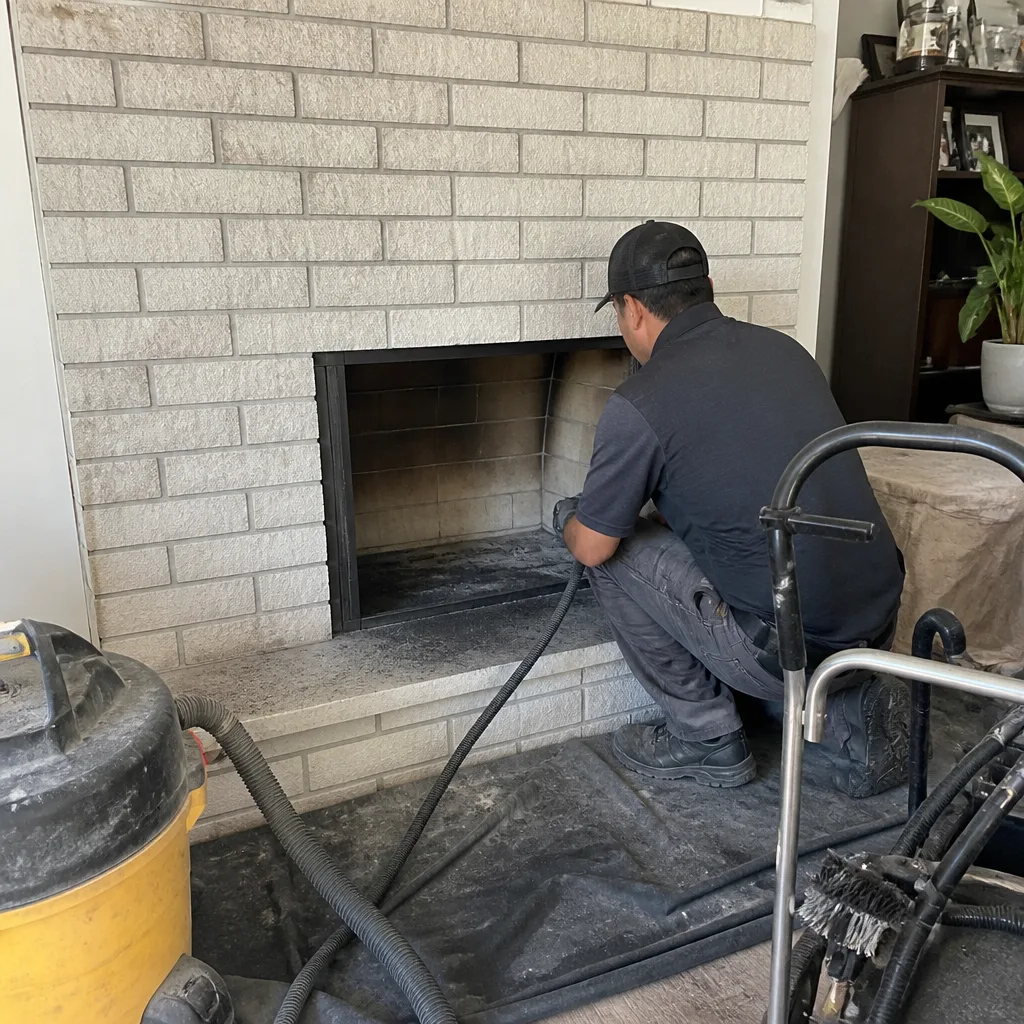
Every price we write includes the full sweep, the inspection of accessible areas, and cleanup. Drop cloths, HEPA-filtered vacuums, and a floor check before we leave are not add-ons. If a camera-level Chimney Inspection in Long Beach is needed, we’ll tell you before we start and give you the line-item cost before the camera comes out of the truck.
CSIA Level 1 vs. Level 2 Inspections: What Long Beach Homeowners Actually Need
The Chimney Safety Institute of America defines three inspection levels, and the two that matter for most Long Beach homes are Level 1 and Level 2. Understanding the difference puts you in control of the conversation.
Level 1 inspection covers what a technician can see and access without moving anything: the accessible portions of the flue, the damper, the smoke chamber, the firebox, and the exterior chimney structure as viewable from the roof or ground. It verifies that the chimney is basically sound and free of obvious obstruction. If you have used the fireplace consistently every year and nothing has changed about the house or the fireplace, a Level 1 inspection is what you need, and it’s typically included with a standard sweep.
Level 2 inspection adds an interior video scan of the flue with a camera designed for the purpose. The camera gets pushed up through the flue liner and records the entire length, looking for cracks, gaps, deteriorated mortar joints, and hidden blockages that a Level 1 can’t catch. CSIA standards call for a Level 2 inspection when a property changes hands, when the house has been through an event like an earthquake or chimney fire, or when the fireplace has been unused for many years and is being brought back into service.
For Long Beach this last condition matters a lot. A home bought in Lakewood or Bixby Knolls where the fireplace sat unused for a decade is a textbook Level 2 candidate. The previous owners may have never burned a single fire. Dampers rust in place, liner cracks go unnoticed, and the first new fire can reveal problems that were hiding quietly. A video scan costs more but it gives you real evidence, and it’s the only way to know what’s happening in the middle sections of the flue where neither the eye nor a brush can reach.
Here’s the practical rule: if you’re the original owner and you burn every year, Level 1 is fine. If you just bought the house, if the fireplace has been dormant for years, or if you’ve had water coming down the flue, get the Level 2.
Marine Air and Your Chimney: Salt Corrosion on Liners, Dampers, and Caps
Long Beach sits on a coast that breathes. The marine layer rolls in most evenings, the air carries chloride, and anything made of mild steel pays a tax. Your chimney pays it three ways.
- The damper fails first. Most open-fireplace dampers are cast iron or plated steel. Salt-tinged air accelerates the rust, especially at the hinge and the blade edge. The result is a damper that won’t close tight, which means your conditioned air escapes up the flue all summer and the marine air drifts down all winter. A rusted-open damper is a year-round energy cost you don’t see on a single bill.
- The liner erodes from the inside. Terra cotta flue liners are surprisingly resistant to heat but not to decades of salt-and-water exposure. The mortar joints between tiles are the weak point. Moisture gets in, the salts work on the joint material, and small gaps open up. Each gap is a path for hot gas to reach the chimney structure. On older Long Beach homes with original clay liners, these joints are often the first repair item.
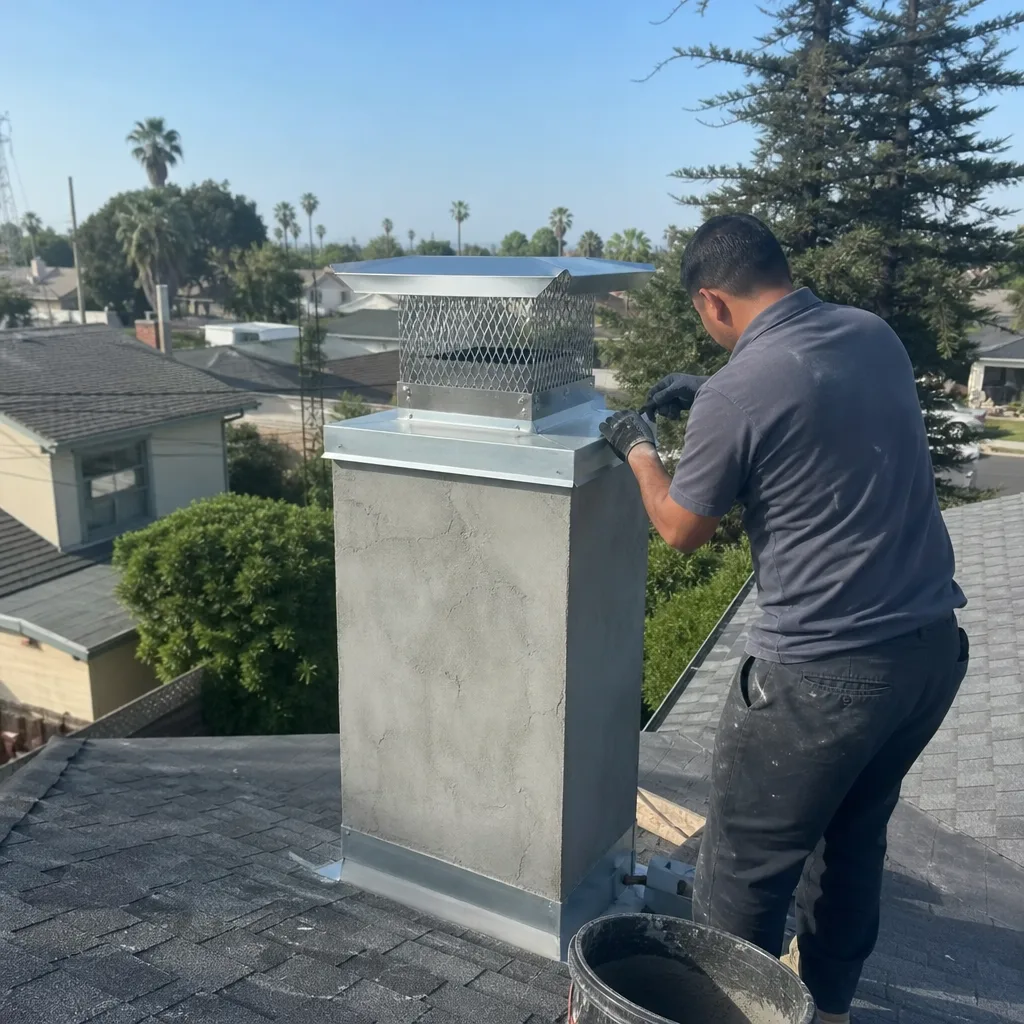
- The cap disintegrates. Standard galvanized caps rust out faster near the coast than anywhere else in the county. Once the cap fails, you’ve opened the top of the flue to rain, debris, and pests. We replace rusted caps with stainless steel, and we’ve installed thousands of them across Long Beach. The cost of a cap is small compared to the cost of a liner repair caused by years of unprotected water entry.
HeatShield is the brand we use most often for flue liner repair here, because it’s designed specifically for resurfacing deteriorated clay liners without a full teardown. For full relining jobs, we specify DuraFlex stainless steel, and we’ll give you the same written scope for either option. The point is that coastal corrosion is predictable and fixable if you catch it at the right stage. Once a liner joint opens and hot gas has been moving through it for a few seasons, the repair becomes a bigger project.
What a Written Scope of Work Must Include Before Any Technician Starts
Every home service trade has companies that quote one number and produce another at the door. Chimney work is particularly exposed to this because most of the problem area is invisible from the living room. The defense is a written scope of work, and here’s what it must contain.
- The exact service being performed. Not “chimney service.” It should say chimney sweep, Level 1 inspection, Level 2 video scan, cap replacement, or liner repair. Specific words mean specific work, and specific work has a specific cost.
- The price, in writing, before tools come off the truck. If a company won’t put the price on paper before starting, that’s the end of the conversation. Our policy is absolute on this point, and it comes from The Garrison Standard: every job gets a written price before any work starts.
- What happens if the technician finds damage. The scope should state the protocol: the technician stops, documents the finding with photos or video, shows you the evidence, and provides a separate written price for the repair before any additional work is approved. Nothing gets done without your sign-off.
- The method and materials. If the job involves repair, the scope names the brand and type of material. For liner repair, the line should say HeatShield or DuraFlex, not “liner product.” If a cap is being replaced, it should say stainless steel and name the brand, whether that’s Gelco, Olympia Chimney, Famco, or Copperfield. Branded materials are verifiable. Generic ones are not.
- The cleanup standard. It should state that the work area is protected, the flue is vacuumed, and the fireplace opening is left clean. If a company doesn’t think cleanup belongs in writing, find another company.
- The guarantee. Repairs should carry a written warranty with a defined term. Ours runs one full year, and if a covered repair fails in that period, we come back and fix it at no charge. No argument, no invoice. That’s the 365-Day Done Right Promise, and it’s printed on every repair contract we write.
When you have these six items on paper, the entire interaction changes. There’s no ambiguity about what you’re paying for and what you’re getting. If a company resists putting any of it in writing, treat that as a disqualifier, not a negotiation.
How to Read a Chimney Cleaning Report Without Getting Played
A cleaning report is where honest companies document the work and where less honest ones set up the next sale. You should know what a complete report looks like and what phrasing signals a follow-up in search of a finder’s fee.
A legitimate chimney cleaning report from Long Beach work should include: the date, the address, the technician’s name, the type of fireplace and flue, the cleaning method used, the condition of the damper and cap as observed, any findings from the visual check, and photos if anything notable was found. If a camera scan was performed, the report should reference the video or include still images from it.
Red flags to read for:
- Vague damage claims with no visual evidence. “Liner shows signs of deterioration” is not a finding. A photo of a cracked tile joint is a finding. We do not recommend any repair until we can show you the camera image that supports it. If the report claims damage and cannot produce a photo, ask for the video.
- Urgency without explanation. “This needs immediate attention” only means something when it’s attached to a specific, visible problem. A four-inch opening in a liner joint near the top is specific. “The chimney is unsafe” with no detail is not.
- Repair prices that appeared between the cleaning and the invoice. The sweep was $199. Then suddenly there’s a $1,400 liner repair the technician “recommended.” Even if the recommendation is genuine, the price should come as a separate, written quote that you can sit with. You never need to approve a repair the same day, and a reputable company will not push you to.
- Cleanup described as “complete” but the fireplace still smells. A proper sweep removes the residue that causes the smell. If the smell persists after a sweep, either the cleaning didn’t reach the smoke chamber or the problem is water entry, not soot. The report should address both possibilities, not just tell you to burn more often.
The report is a document, not a formality. It’s your record of what was found, what was done, and what the technician recommends with evidence. Keep it. If you ever sell the house, a history of professional cleaning and inspection is a selling point for the fireplace.
Common Mistakes to Avoid
- Skipping the pre-burn inspection because the fireplace “looks fine.” Most obstructions are above the damper, where you cannot see them from the living room. The fireplace can look perfect from the hearth and be 60 percent blocked at the top. This is one of the most common findings on Long Beach homes where the flue has sat unused through the spring and summer.
- Burning pine or eucalyptus because it’s cheap and local. Both produce more resin and spark than hardwoods like oak or almond. Eucalyptus in particular burns hot and oily, and in a Long Beach fireplace it produces more residue in ten fires than oak would in thirty. If you’re burning eucalyptus, you should expect to sweep annually.
- Using the fireplace as an occasional prop without maintaining the cap. The cap is the single most protective component on the chimney. When it fails, everything above the damper is exposed. We see rusted-out caps on homes throughout Naples and Belmont Shore, often with no other chimney problems, because no one looked up.
- Closing the damper immediately after the fire dies. Many homeowners close the damper to keep the heat in the house. But if the fire is still smoldering or the coals are warm, you’re trapping moisture and combustion residue inside the flue. Leave the damper open until the firebox is completely cool to the touch.
- Accepting a verbal quote for chimney work. If the price isn’t in writing, the price doesn’t exist. This is true for sweeping and doubly true for repair. A written quote is your only real protection in a trade where the work area is hidden from view.
- Trusting every “recommended repair” without seeing camera evidence. Some companies use the inspection as a sales tool. The honest standard is simple: no repair recommendation without visual evidence you can see for yourself. If they can’t show you the problem, don’t approve the fix.
- Waiting until Thanksgiving week to call for a sweep. November and December fill up fast, but the work is the same in October and the fireplace is ready when you want it. Booking early in the season costs the same and eliminates the waiting period.
When to Call a Professional
Call a chimney professional when you smell soot in humid weather, when the damper won’t operate smoothly, when debris falls into the firebox, when you’ve just bought a Long Beach home with a fireplace you haven’t used, or when it’s been more than two years since the last cleaning regardless of how little you burn. If you’re weighing whether to tackle it yourself, read our DIY vs Professional Chimney Cleaning: The Long Beach Homeowner’s Decision Guide first. These are all legitimate trigger points, and each one represents a problem that will not improve on its own. Flint Chimney Co Long Beach offers free estimates in Long Beach, and our technicians arrive background-checked and uniformed, with a written price before any work begins. Call (562) 317-7262 to schedule.
Frequently Asked Questions
A fireplace in Long Beach should be swept and inspected once a year, even if you only burn 8 to 12 fires per season, because the primary risks here are blockage, moisture, and salt corrosion rather than heavy creosote. Annual service catches debris that settled into the flue during the idle months and catches the early stages of rust on dampers and caps. If you burn more than 20 fires a year or use the fireplace heavily, a mid-season sweep may be warranted. Call (562) 317-7262 for a free estimate and we’ll assess your fireplace’s actual condition.
A standard chimney sweep in Long Beach runs between $149 and $219, and adding a Level 1 inspection brings the total to about $189 to $259, while a Level 2 video inspection runs $250 to $400. The price varies with roof access, flue size, and the amount of buildup present. Every quote from Flint Chimney Co Long Beach is written before any work begins, so the price you approve is the price you pay. Call (562) 317-7262 for an exact quote for your fireplace.
Only if the camera evidence shows actual liner damage, which means cracked tiles, open joints, or visible gaps in the flue wall. The recommendation must come with images or video you can view yourself. Without visual evidence, a liner recommendation is not something you should accept. When liner repair is genuinely needed, we quote specific brand names like HeatShield or DuraFlex and provide a written scope before any work starts. Call (562) 317-7262 if you want a second opinion on a liner recommendation.
In Long Beach the most likely outcome is not a creosote fire but a blocked flue, a rusted damper, or moisture damage to the liner. These problems accumulate quietly and then surface as a smoky fireplace, a persistent odor, or a repair bill that could have been avoided with a standard sweep. The dirtiest chimneys we see in Long Beach are not the heavily used ones but the neglected ones that sat unused for years. The annual cleaning is the cheapest insurance you can buy for the fireplace.
You can, but the interior of a flue is not a safe place to learn by trial and error, and a homeowner-grade brush reaches only a fraction of the surfaces a professional rotary system covers. When you’re ready to hire, our How to Hire a Chimney Cleaning Contractor in Long Beach: A Step-by-Step Guide walks you through the vetting process. The more practical issue is that cleaning without inspection misses the point. The cleaning removes residue, but the inspection finds blockages, rust, and liner damage. In Long Beach, where the real problems are visual and structural rather than creosote-based, a sweep without an inspection has limited value. We recommend professional service for the simple reason that the inspection is the product, not the add-on.
Yes. Rain is not the only water source in Long Beach, and a flue without a cap is open to the marine layer, which deposits moisture on the damper and liner surface every night. A cap also keeps birds and debris out. For a low-use coastal fireplace, a stainless cap is often the single most valuable upgrade on the chimney, and it costs far less than the liner repairs that follow prolonged water exposure. We typically install stainless caps from brands like Gelco, Olympia Chimney, Famco, or Copperfield. Call (562) 317-7262 to have your chimney top assessed.
The Bottom Line
Long Beach chimneys fail differently than chimneys in cold-burn markets, and the maintenance plan has to match. Burn a handful of fires a year, get a sweep and inspection annually, keep the cap intact, and fix small rust and liner issues before they become structural. The economics of this are straightforward. A $200 sweep catches the early signs of a problem that might become a $3,000 liner replacement if ignored for ten years. We’ve been doing this work in Long Beach since 2002 as part of Garrison Partners, and the operating principle hasn’t changed: written prices, documented work, and a guarantee on every repair. If your fireplace hasn’t been inspected recently, the time to do it is now, not the week you want the first fire.
Written by Hank Delano, Owner at Flint Chimney Co Long Beach, serving Long Beach since 2002.
See the difference
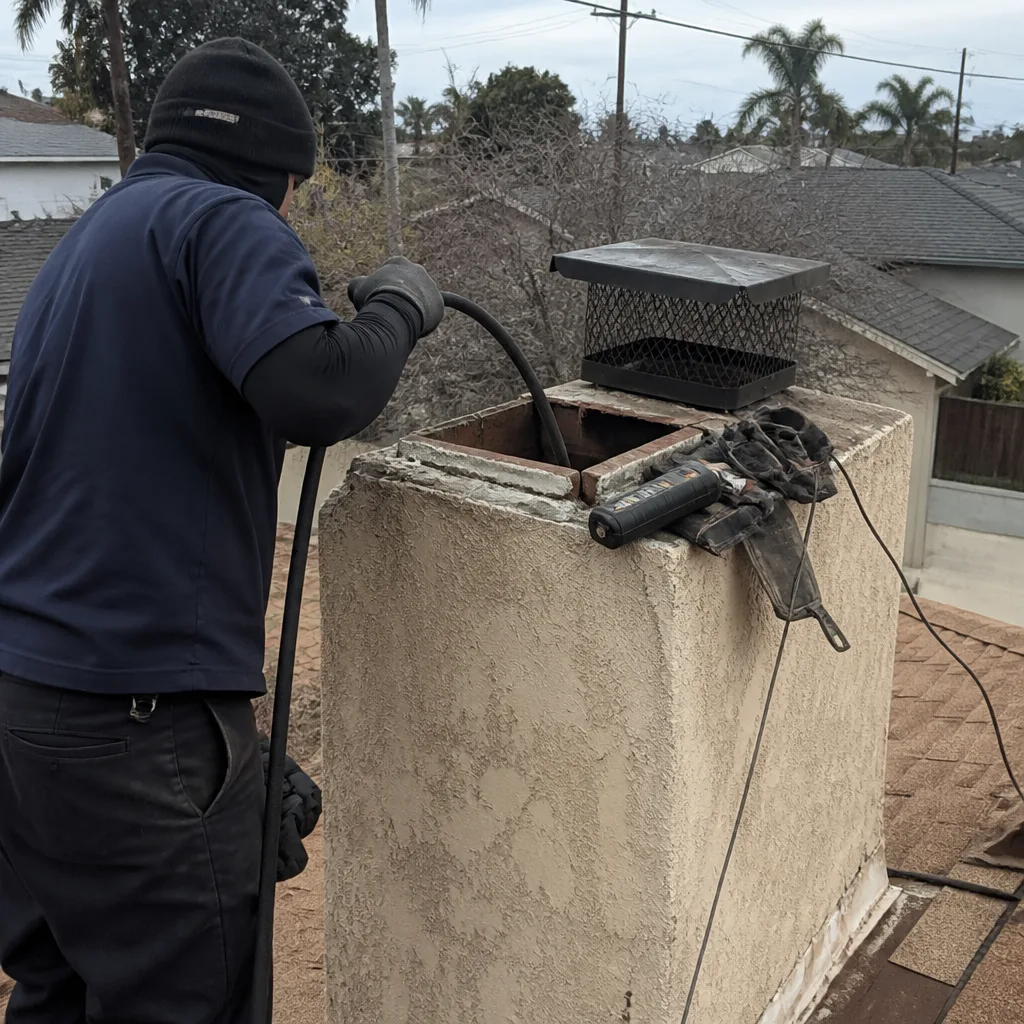 Before
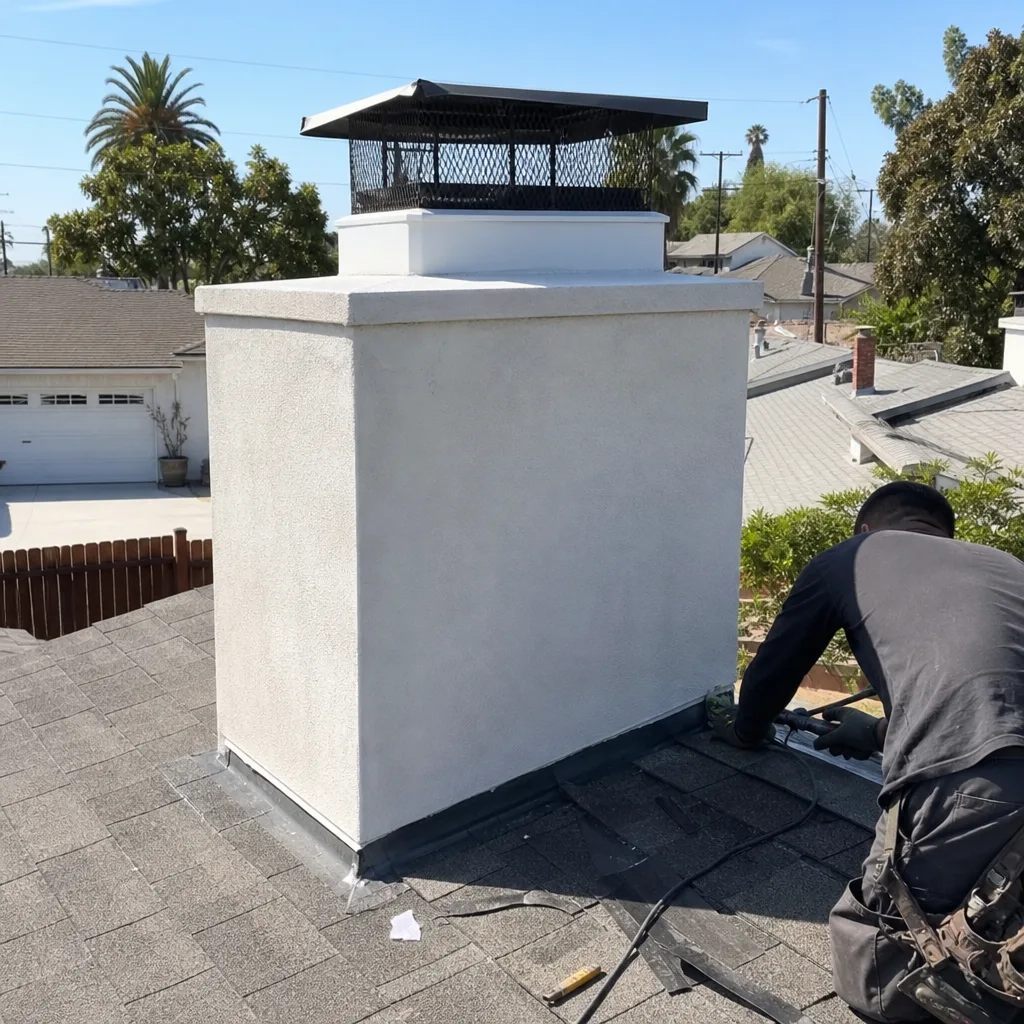 After
After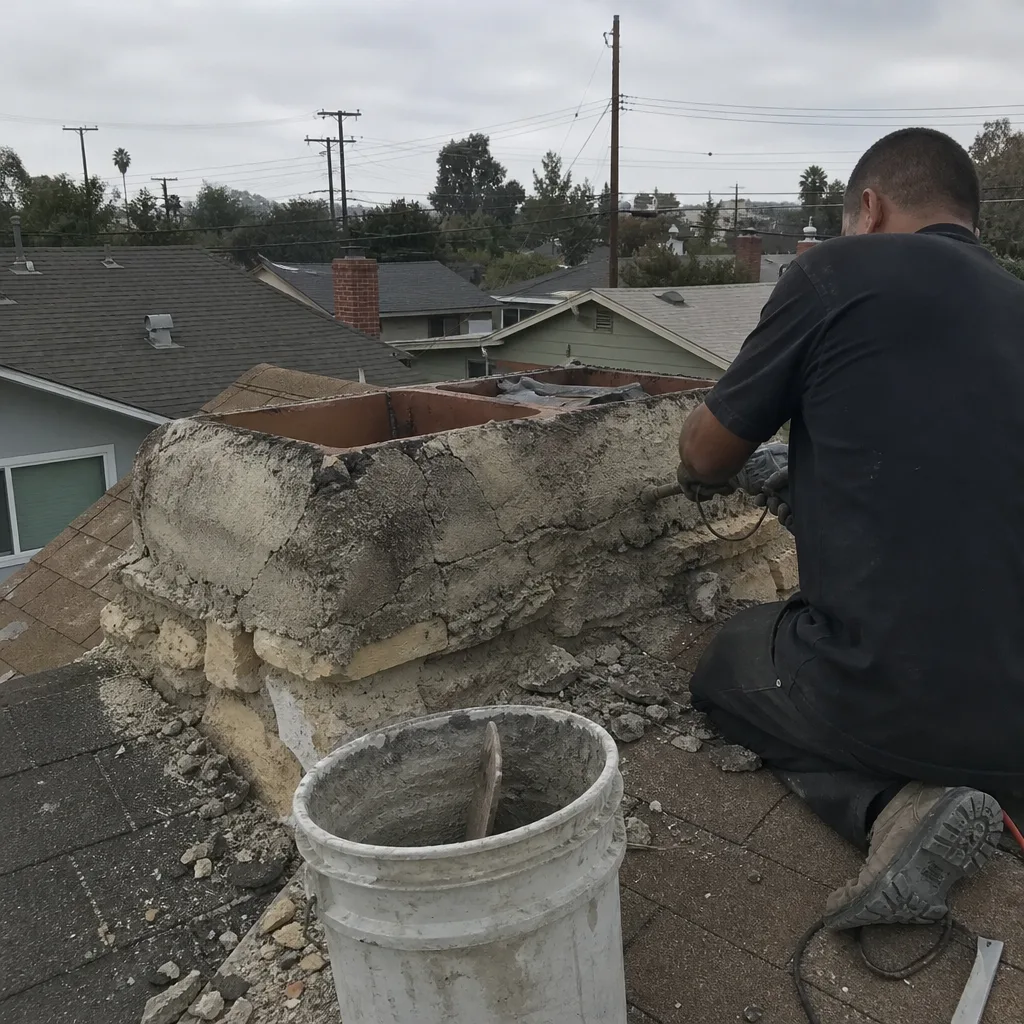 Before
 After
After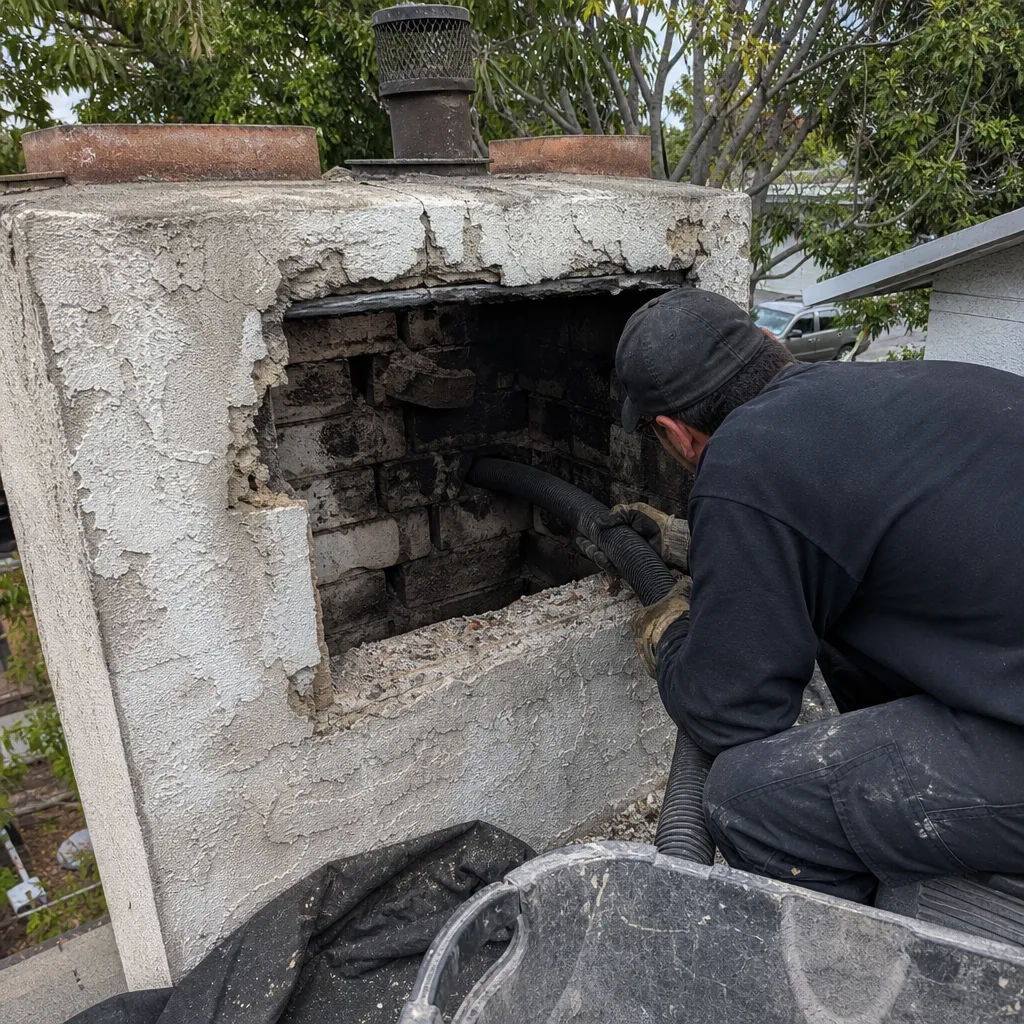 Before
 After
After