
Last updated October 15, 2026
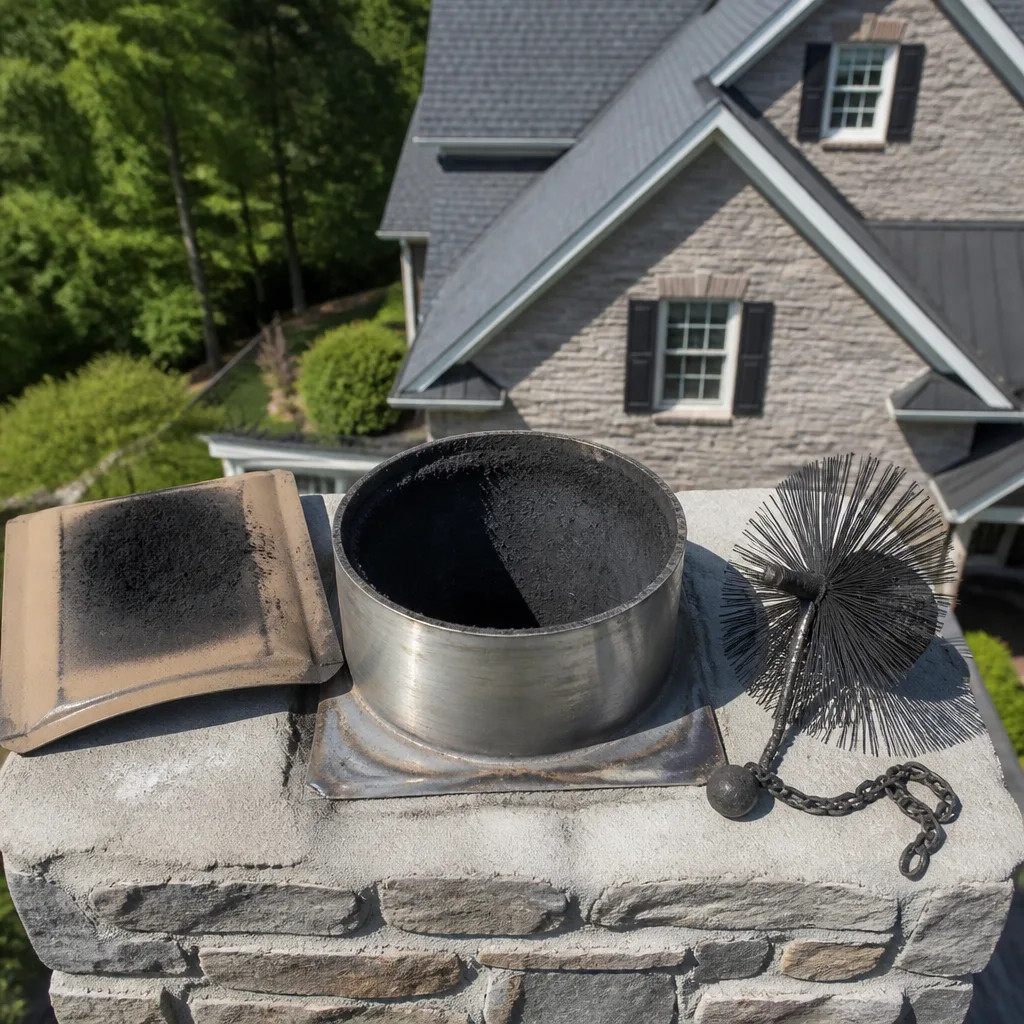 Sweep & inspection
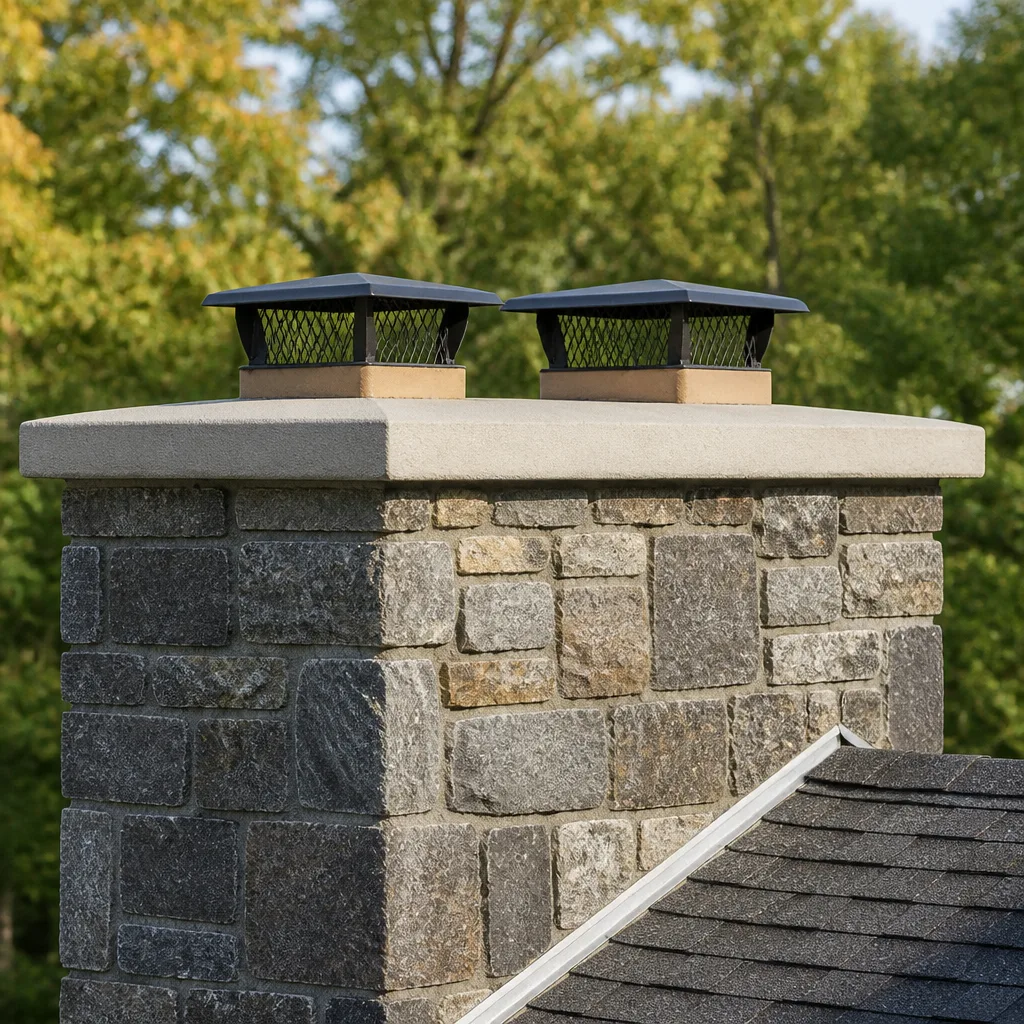 Caps & crowns
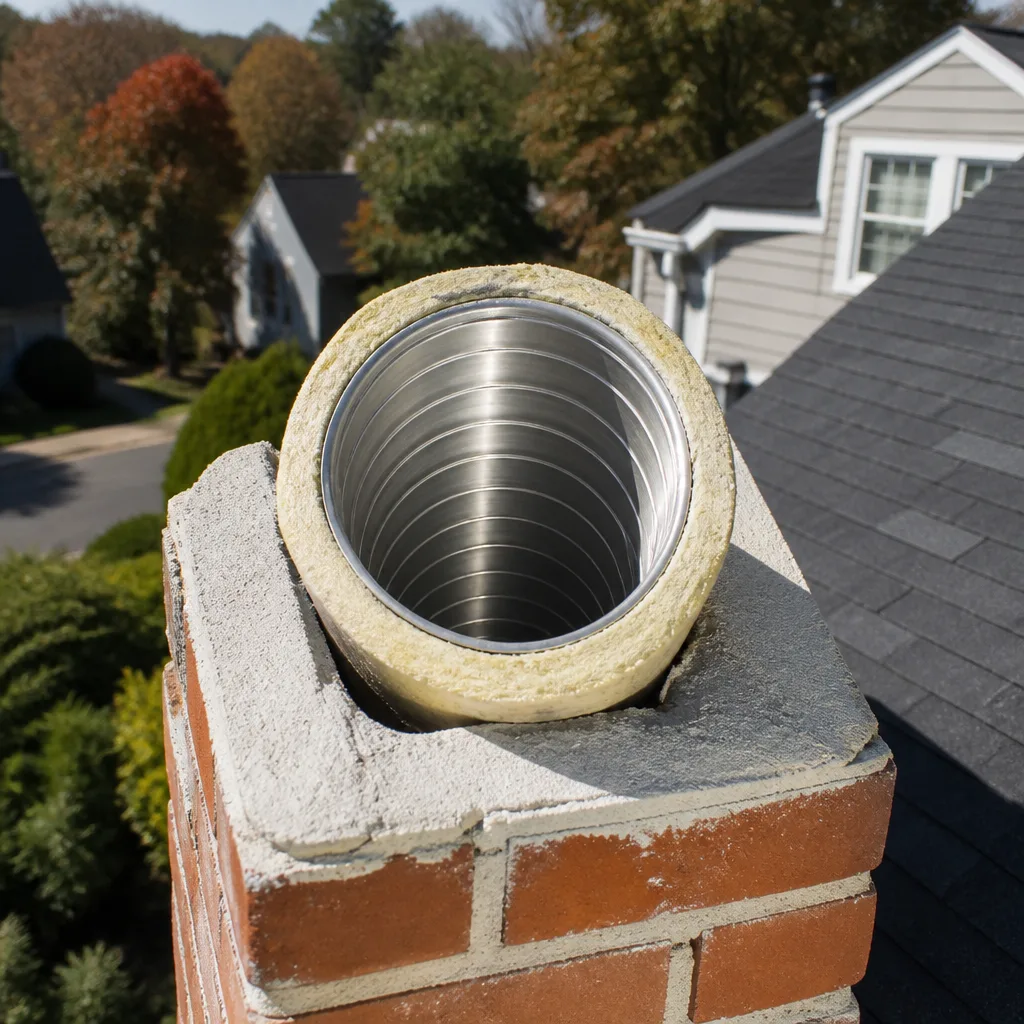 Flue relining
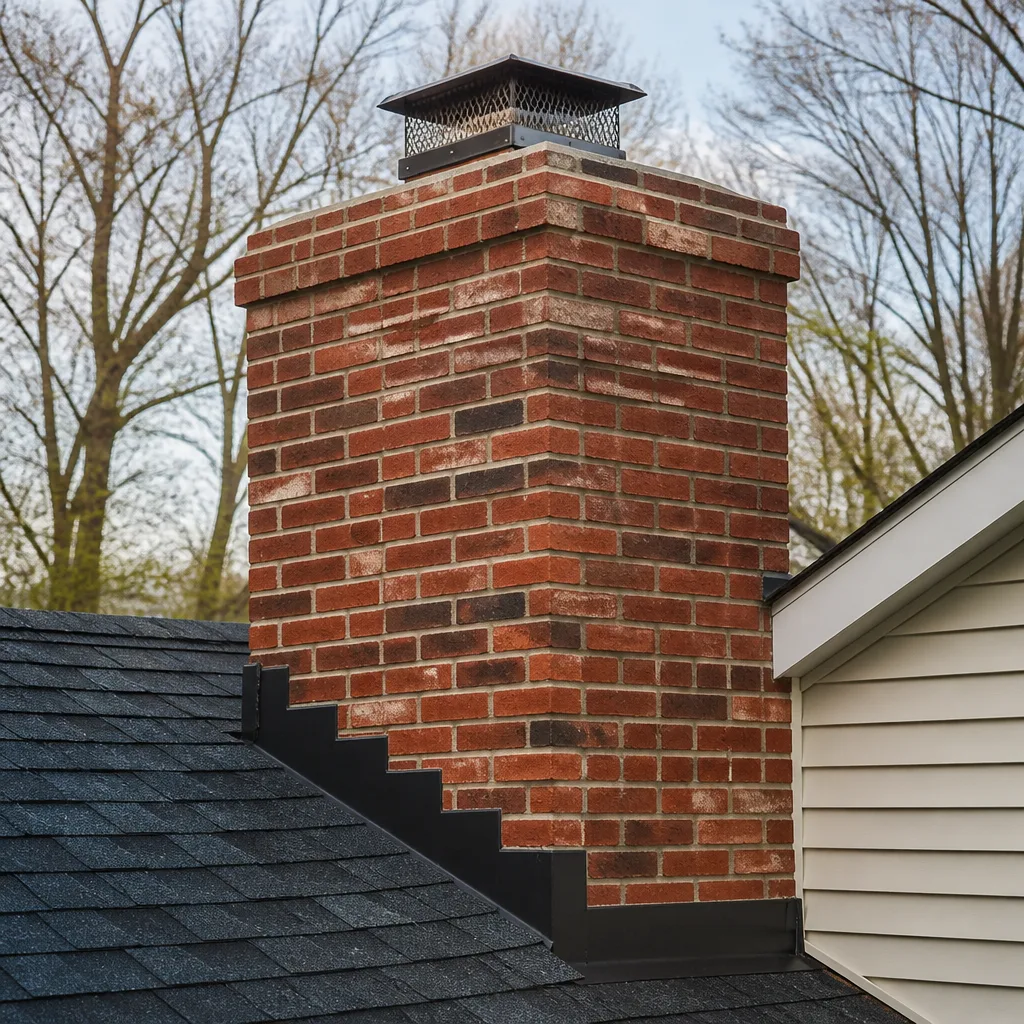 Masonry repair
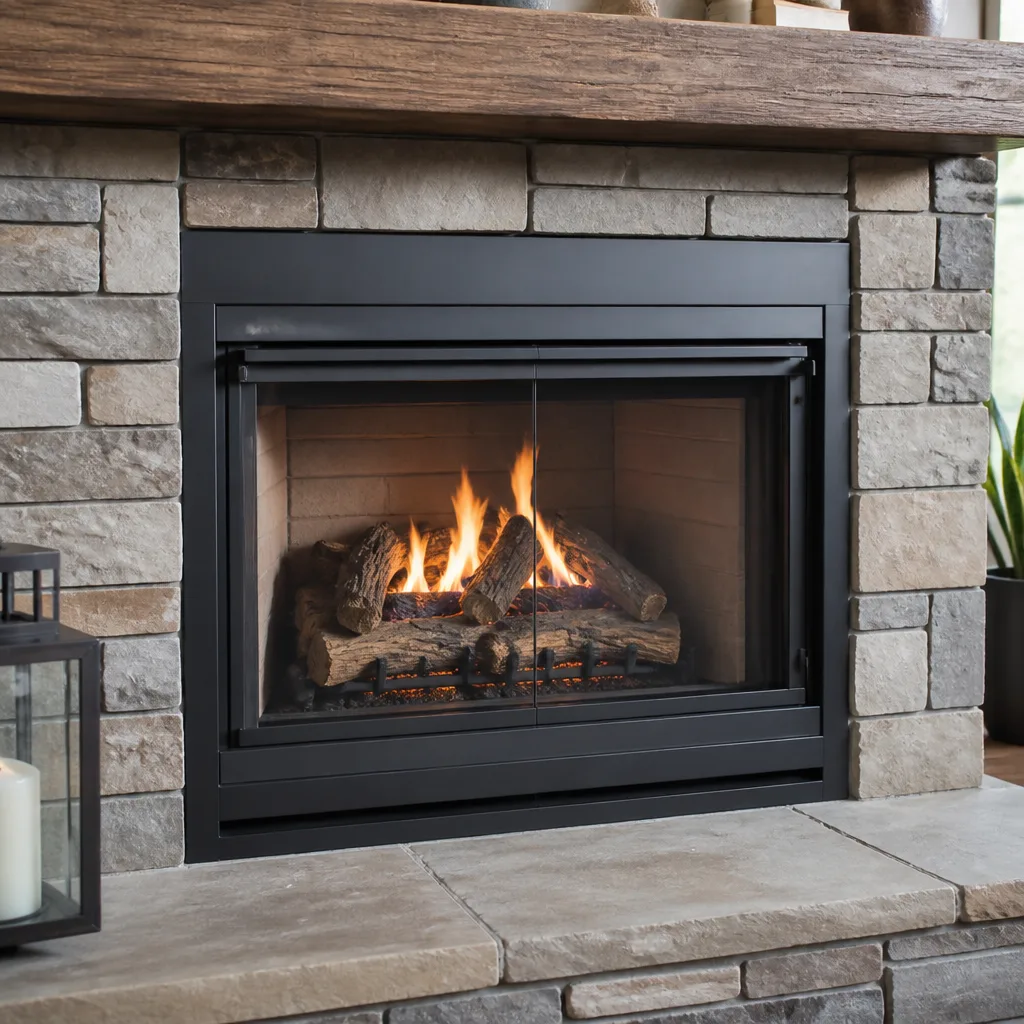 Gas fireplace service
Level 1 sweep and inspection to the NFPA 211 annual standard - flue, crown, cap, and flashing checked and photographed
Chimney sweep logs do not sweep chimneys. They loosen some creosote - which then falls where a brush and vacuum still have to collect it.
Seasonal Chimney Cleaning Care for Long Beach: Year-Round Homeowner’s Guide
Most chimney care advice is written for places with real winters. Long Beach doesn’t have one. Our fireplace season is short, our summers are damp, and the biggest threat to your chimney doesn’t come from freezing pipes or snow load. It comes from Santa Ana winds in October that drive debris, ash, and animals into flues exactly when you’re thinking about lighting that first fire. This guide rebuilds the year-round chimney care schedule around Long Beach’s actual climate: June gloom moisture, Santa Ana wind season, and a burn season that barely runs from October to February.
Quick Answer
The most important month for chimney maintenance in Long Beach is September, not spring. Santa Ana winds hit in October, filling uncapped or damaged flues with debris right before burn season. A standard sweep and inspection in September runs $169 to $279 in Long Beach, and a Level 2 inspection typically adds $100 to $250-see our Chimney Cleaning Cost Breakdown: The Long Beach Homeowner’s Reference for 2026 for full pricing details. Skip it and you risk lighting a fire beneath a flue packed with dry leaves, twigs, or a bird’s nest.
Styles & brands we work with
Table of Contents
- Why Long Beach’s Climate Demands a Different Chimney Calendar
- September: The Real Pre-Season Month for Long Beach Chimneys
- June Gloom and the Marine Layer: The Silent Off-Season Threat
- October Through February: Maintaining a Safe Fireplace During Burn Season
- February and March: The Post-Fire-Season Shutdown Protocol
- Coming Back to a Chimney Unused for 2+ Years: What NFPA 211 Requires
- Chimney Caps and Screens: The Twice-Yearly Ground-Level Check
- What Chimney Cleaning and Repairs Actually Cost in Long Beach
Why Long Beach’s Climate Demands a Different Chimney Calendar
Most chimney maintenance guides assume four equal seasons. Long Beach has two dominant patterns that actually matter for your fireplace: a humid coastal spring that accelerates rust, and a dry windy autumn that dumps debris into flues. The “spring cleaning” advice you’ll hear from national chimney companies is backwards here. Spring is when Long Beach chimneys sit in damp air for weeks. Fall is when they get hit with the year’s most aggressive wind events.
Here’s what the Long Beach climate actually does to a chimney over twelve months:
- May through July: The marine layer sits over the coast for days at a time. Relative humidity stays high even when temperatures stay mild. Interior metal components (dampers, firebox grates, damper hinges) accumulate surface rust. Mortar joints in exterior brick absorb moisture and begin spalling in older chimneys.
- August through October: Santa Ana wind season begins. Winds from the northeast hit 40 to 60 mph in some corridors. These winds carry dry vegetation, palm fronds, and dust into any chimney without a functioning cap. They also dry out creosote deposits from prior burn seasons, making them more flammable if a fire is lit before cleaning.
- November through February: Burn season. Most Long Beach homes use their fireplace for ambiance and supplemental heat on nights that dip into the 40s. This is about 20 to 30 burns per year for a typical household, producing a layer of creosote inside the flue.
- March through April: Transition months. Rain returns occasionally. Ash left in the firebox absorbs moisture, creating a mildly acidic slurry that corrodes metal fireboxes and promotes damp odors that rise through the house in spring.
Understanding this pattern means understanding that September, not April, is when Long Beach homeowners should schedule chimney maintenance. More on that below.
September: The Real Pre-Season Month for Long Beach Chimneys
If you do one thing for your chimney all year, schedule a sweep and inspection in September. Here’s the reasoning. Santa Ana winds typically begin in October. They arrive before most households in Long Beach have used their fireplace even once. That means every flue is a collection point for whatever the winds push into it. We’ve inspected chimneys in Belmont Heights and Bixby Knolls in early October and found flues with enough dry debris collected at the smoke shelf to sustain a chimney fire on the very first burn of the season-exactly the kind of hazard covered in our Chimney Cleaning Warning Signs: A Long Beach Homeowner’s Reference Guide.
A September sweep accomplishes three things before the first spark:
- Removes last season’s creosote before it’s ignited. Creosote from the prior year has been sitting all summer, drying and concentrating. A fire lit beneath a layer of dry creosote is a chimney fire waiting to happen, even if the flue looks fine from the outside.
- Clears wind-blown debris that’s already arrived. Even a single August wind event can deposit leaves and twigs into a flue. September is when you remove it before October makes it worse.
- Gives repair work time to complete before burn season. If your sweep finds a cracked flue tile or a failing damper, September allows time to schedule repairs before Thanksgiving. Wait until November and you’re competing for slots with every other Long Beach homeowner who waited until the first cold night.
What to tell your sweep to look for during a September service:
- Debris accumulation at the smoke shelf and in the firebox
- Signs of animal intrusion (nests, droppings, scratching sounds reported by the homeowner)
- Damper operation and rust level after a damp summer
- Cap and screen condition, especially after any high-wind events in August
- Creosote glaze from prior season burns, which may require more than a standard sweep
If your chimney hasn’t been swept in more than two years, September is also the time to book a Chimney Inspection in Long Beach at Level 2, which includes video scanning of the flue interior. More on that in the unused-chimney section below.
At Flint Chimney Co Long Beach home, we recommend booking September appointments early. The first week of October is when our schedule fills with homeowners who noticed ash on their hearth after the first Santa Ana event. A September booking typically gets you a wider choice of days and shorter lead times.
June Gloom and the Marine Layer: The Silent Off-Season Threat
May through July in Long Beach means coastal overcast, cool air, and humidity that rarely breaks 80% but also rarely breaks below 60%. For a fireplace that’s sitting unused, that’s a five-month stretch of sustained moisture exposure. We’ve seen dampers in Naples and Belmont Shore homes rust to the point of seizing shut after just two or three springs of this.
The marine layer affects chimneys in three specific ways:
- Damper rust and corrosion: The metal throat damper sits at the base of the flue where cooler, damp air settles. Even with the damper closed, humidity circulates through the chimney chase and accelerates surface rust. A damper that won’t fully open or close by October creates a draft problem for burn season.
- Mortar joint erosion: Exterior chimney brick in Long Beach’s older neighborhoods (think California Heights, Rose Park, Wrigley) is often original to homes built in the 1920s through 1950s. The lime-based mortar used in that era absorbs moisture. Repeated cycles of marine-layer saturation and dry-off loosens the mortar joints. This is called spalling, and it’s the primary reason older Long Beach chimneys need tuckpointing or partial rebuilds.
- Animal intrusion during the mild season: Birds, raccoons, and squirrels are more active in Long Beach during the mild spring months. An uncapped or poorly capped flue is an open invitation. April and May are when we get calls about noises coming from the chimney, almost always from a nest that’s been there for weeks.
The practical takeaway for Long Beach homeowners: spring is not chimney cleaning season here, but it is chimney monitoring season. You’re not burning, so you don’t need a sweep. But a quick visual check during June Gloom for rust, crumbling mortar, or animal activity can catch small issues before they become September repair items.
What to Do During the Spring Months
- Keep the damper closed when not in use. This limits the amount of humid air cycling through the flue. However, don’t seal it off completely for months. Let the flue breathe occasionally on dry days.
- Look for visible rust streaks on the damper handle or firebox. The damper handle is visible from the firebox opening. Rust there is an early warning sign of more serious corrosion above.
- Check for flaking or crumbling mortar on the exterior chimney stack. From ground level, look for white or pale lines running horizontally along the brick. That’s efflorescence, a sign of moisture migrating through the masonry.
- Listen for animal sounds. Scratching, chirping, or the smell of nesting material coming from the firebox in April or May means something has gotten in. Don’t light a fire to smoke it out. Call for removal and cap installation.
One product we turn to for Long Beach’s humid climate is HeatShield, a ceramic flue sealant used to repair cracked flue tiles and restore the interior surface. It’s especially useful in coastal homes where moisture intrusion accelerates tile spalling. A chimney with a properly sealed flue interior survives Long Beach spring humidity far better than one with open cracks.
October Through February: Maintaining a Safe Fireplace During Burn Season
Burn season in Long Beach is short. Most households light fires between Halloween and Valentine’s Day, maybe 15 to 30 fires total. That’s not a lot of creosote production compared to a cabin in Big Bear that burns daily from November to March. But it’s enough to require attention, especially if you’re burning wood that isn’t fully seasoned.
Here’s what a responsible burn-season maintenance routine looks like in Long Beach:
- Verify the damper is fully open before every fire. This is non-negotiable. A partially open damper restricts draft and pushes smoke into the house. At minimum, check the damper handle position before lighting.
- Burn only seasoned hardwood. Wet or green wood produces more creosote in fewer burns. In Long Beach, where burn season is short, every fire you light with unseasoned wood accelerates the need for mid-season cleaning.
- Keep the fire to a reasonable size. A roaring fire feels good on a cold January night, but an oversized fire produces more creosote and puts more thermal stress on flue tiles. You don’t need a bonfire in your living room.
- Never leave a fire unattended overnight. Long Beach’s old housing stock means many chimneys are original to mid-century construction. An unattended fire in an older flue with unknown tile condition is a risk you don’t need to take.
- Watch for smoke coming into the room. If smoke backs up into the living room instead of drawing up the flue, stop using the fireplace and call for an inspection. This is a draft or blockage problem, not something to push through.
One more Long Beach-specific note: the air quality regulations here mean “no-burn” days during winter inversions are common. The South Coast Air Quality Management District issues these alerts when particulate levels are high. Burning during a no-burn day can result in fines, and it means your flue is sitting with a fresh layer of creosote that won’t be cleaned until next September.
If you’re unsure about your chimney’s condition before or during burn season, a Chimney Sweep in Long Beach with a standard visual inspection gives you a clear answer in under an hour.
February and March: The Post-Fire-Season Shutdown Protocol
When the last fire of the season ends in February or early March, most Long Beach homeowners close the damper and forget about the fireplace until fall. That’s a mistake. The way you shut down your fireplace in early spring directly affects its condition when you return to it in October.
Here is the post-season protocol we recommend, and why each step matters in Long Beach specifically:
- Remove ash from the firebox within two weeks of the last fire. Ash is hygroscopic. It absorbs moisture from the air. In Long Beach, where spring humidity arrives in May, ash left in the firebox through summer becomes a damp, slightly acidic mass. That mixture corrodes metal fireboxes and produces a musty odor that rises through the house on warm days. A thin layer of ash (about a quarter inch) is okay for insulation on a masonry floor. Anything more than that should be shoveled out and disposed of once fully cool.
- Inspect the damper after your final fire. Open and close it several times. Note any sticking, unusual resistance, or visible rust. A damper that’s hard to operate after burn season usually means moisture has begun corroding the mechanism. Catching it in March gives you six months to address it before the next burn season.
- Give the firebox a visual once-over. Look for cracked firebrick, crumbling mortar joints, or any areas where the metal firebox surface appears warped or pitted. These are signs that the firebox took on more heat than it should have, often from an oversized fire or draft problems.
- Close the damper, but don’t seal the fireplace off entirely. A closed damper prevents most air exchange, but no damper is airtight. The flue will still breathe slightly. Sealing the fireplace opening with plastic or board over the summer traps moisture and accelerates rust. Leave it as is.
- Note anything unusual from the season. Did the fireplace smoke on startup? Did you smell something odd during the first fire? Did you hear animals at any point? Write it down or put it in a phone note. When you call for your September sweep, relay those observations. They guide what the sweep looks for.
This post-season routine takes about 15 minutes. It’s the best time investment you can make in your chimney, because it catches problems when they’re small, cheap, and fixable long before the next burn season.
Coming Back to a Chimney Unused for 2+ Years: What NFPA 211 Requires
A lot of homes in Long Beach have fireplaces that haven’t been used in years. Owners buy a home in Lakewood Village or El Dorado Park, the fireplace was never a priority, and now they want to use it. Or they inherited a property where the last fire was lit during the previous owner’s tenure.
The rule is simple and it’s not optional: per NFPA 211, the national standard for chimney and fireplace safety, any chimney that has not been used for two or more years requires a Level 2 inspection before you light a fire. For the regulatory background, see Chimney Cleaning Permits, Codes & Inspections in CA: What You Need to Know. Not a basic visual check. A Level 2 inspection.
Here’s the difference:
- Level 1 inspection: A visual examination of the readily accessible portions of the chimney, firebox, and damper. Typically performed during a standard sweep. Appropriate for chimneys that have been in regular use and have no changes to the system.
- Level 2 inspection: Everything in a Level 1 plus access to attic, crawlspace, and roof areas, and a video scan of the flue interior. Required when the chimney has been unused for two or more years, when the home is being sold, or after any event that may have damaged the chimney (earthquake, chimney fire, severe storm).
- Debris from prior Santa Ana wind seasons packed at the smoke shelf
- Bird or squirrel nests in the flue or at the cap
- Rusted or seized dampers from multiple spring humidity cycles
- Cracked or spalled flue tiles, especially in chimneys on homes built before 1980
- Deteriorated mortar in the smoke chamber that’s hidden from normal view
- September, before Santa Ana season. This is the critical check. You want the cap and screen in good shape before the winds arrive. Look for missing sections of screen, bent or lifted cap edges, or rust that’s eaten through the metal. Any of these means debris and animals can get in.
- March, after burn season and winter weather. Check for damage from winter storms and from any debris that struck the cap during high winds. Also look for signs of animal activity around the cap, which indicates something tried to get in.
- Is the cap still there? High winds and old mounting hardware occasionally lift caps right off the flue. A missing cap is an open pipe pointing at the sky.
- Is the spark-arrestor screen intact? The mesh screen around the cap prevents animals and large embers from passing through. Torn or sagging screen means the cap needs replacement, not repair.
- Is the cap level and centered on the flue? A cap that’s tilted may be mounted improperly or may have been struck by debris. It can also mean the flue tile itself shifted.
- Is there visible rust or corrosion? Coastal air accelerates rust on galvanized steel caps. Once rust breaks through, the cap is a liability, not protection. Stainless steel is the better choice for Long Beach.
The reason NFPA 211 requires Level 2 for long-unused chimneys is that problems develop invisibly. A flue tile can crack during a small earthquake and sit undetected for years. A masonry chimney can separate slightly from the house structure without any visible exterior sign. Animals can build nests deep in the flue that a glance from the top won’t reveal. The video scan in a Level 2 inspection documents the flue interior from top to bottom, so you know what you’re dealing with before a fire gets lit.
What we typically find in Long Beach chimneys unused for 2+ years:
A Chimney Inspection in Long Beach at Level 2 is not a scare tactic. It’s the documented minimum before you put fire into a system that hasn’t handled one in years. And if the video scan comes back clean, you get peace of mind with your first fire instead of a guess.
Chimney Caps and Screens: The Twice-Yearly Ground-Level Check
A chimney cap with a spark-arrestor screen is the cheapest chimney insurance you can buy. It keeps out rain, wind-blown debris, and animals. In Long Beach, where Santa Ana winds drive debris into flues every fall and coastal humidity corrodes unprotected metal all year, a missing or damaged cap is the single most common cause of chimney problems we see.
You should visually inspect your cap and screen from ground level twice a year. Use binoculars if you have them. The two windows:
What you’re looking for from the ground:
Replacing a damaged cap is a quick repair, typically done in one visit. We specify Copperfield and Gelco caps and screens for most Long Beach installations. Both brands make stainless steel and copper options that stand up to salt air far better than galvanized steel from the hardware store. A quality stainless cap lasts 15 to 20 years in this climate.
The point of the twice-yearly check is simple: catching a small cap problem in September costs less than extracting a raccoon in November. The ground-level check costs you nothing but five minutes with a pair of binoculars.
What Chimney Cleaning and Repairs Actually Cost in Long Beach
Here’s the straight pricing picture for Long Beach. These are the numbers we quote when someone calls and asks what a chimney sweep costs. Every job gets a written price before any work starts, so the number you see here is the ballpark you should expect, not the teaser rate that changes when the truck arrives.
Chimney Sweep and Inspection Pricing in Long Beach
| Service | Typical Cost Range | Includes |
|---|---|---|
| Chimney Sweep (standard flue) | $169 to $279 | Full flue brushing, firebox and smoke chamber cleaning, damper inspection, cap check, drop cloths and HEPA vacuuming |
| Level 1 Inspection with Sweep | Included with sweep | Visual inspection of accessible portions of the firebox, damper, flue, and exterior chimney |
| Level 2 Inspection (standalone or added) | $100 to $250 added | Video scan of flue interior, attic and crawlspace access, full exterior inspection per NFPA 211 |
| Chimney Cap Replacement | $150 to $450 | New cap and spark-arrestor screen; price varies by flue size and material (galvanized vs. stainless vs. copper) |
| Flue Relining (DuraFlex or HeatShield) | $2,500 to $6,000+ | Replacement of the inner flue liner; price depends on flue height, diameter, and access difficulty |
| Damper Replacement | $250 to $650 | New throat damper or top-mount damper; includes installation and adjustment |
These ranges reflect work in Long Beach homes, from smaller single-story homes in North Long Beach to multi-story properties in Belmont Shore and Naples. The variables are flue height, access difficulty, and existing damage. What doesn’t vary is this: every job at Flint Chimney Co Long Beach gets a written price before any work starts. No numbers change at the door.
If a repair is recommended during a sweep or inspection, you’ll see the flue camera footage yourself. Nothing gets recommended without video evidence you can watch. If the flue looks clean and the tiles are intact, we’ll tell you that and you’ll pay for the sweep and nothing else. That’s the whole arrangement.
Common Mistakes to Avoid
- Following a spring cleaning schedule from a national chimney company. Spring is the wrong time to sweep in Long Beach. You’ll pay for a cleaning, then Santa Ana winds will re-fill the flue with debris before you ever light a fire. Sweep in September.
- Lighting the first fire of the season without checking the flue. Santa Ana winds deposit dry leaves and twigs into uncapped or damaged flues every October. Lighting a fire beneath that debris is how chimney fires start. This is the single most avoidable mistake we see.
- Leaving ash in the firebox all summer. Long Beach’s humid spring turns ash into damp slurry that corrodes metal fireboxes and produces musty odors. Remove ash within two weeks of your last fire, keeping only a thin layer if preferred.
- Assuming a chimney unused for years is fine because no one burned in it. Unused chimneys develop problems from moisture, animals, and seismic movement. NFPA 211 requires a Level 2 inspection before use after a two-year gap. Don’t skip it.
- Buying the cheapest cap on Amazon and calling it good. Cheap galvanized caps rust through in three to five years of Long Beach coastal air. A stainless steel cap from a brand like Copperfield or Gelco lasts three times that long.
- Ignoring smoke coming into the room. Any smoke backing into the living space indicates a draft problem, a blockage, or a structural issue. Stop using the fireplace and get it inspected before the next burn.
- Waiting until November to book a chimney sweep. November is when every Long Beach homeowner remembers the fireplace exists. September bookings get better availability and more time to complete any repairs found during the sweep.
See the difference
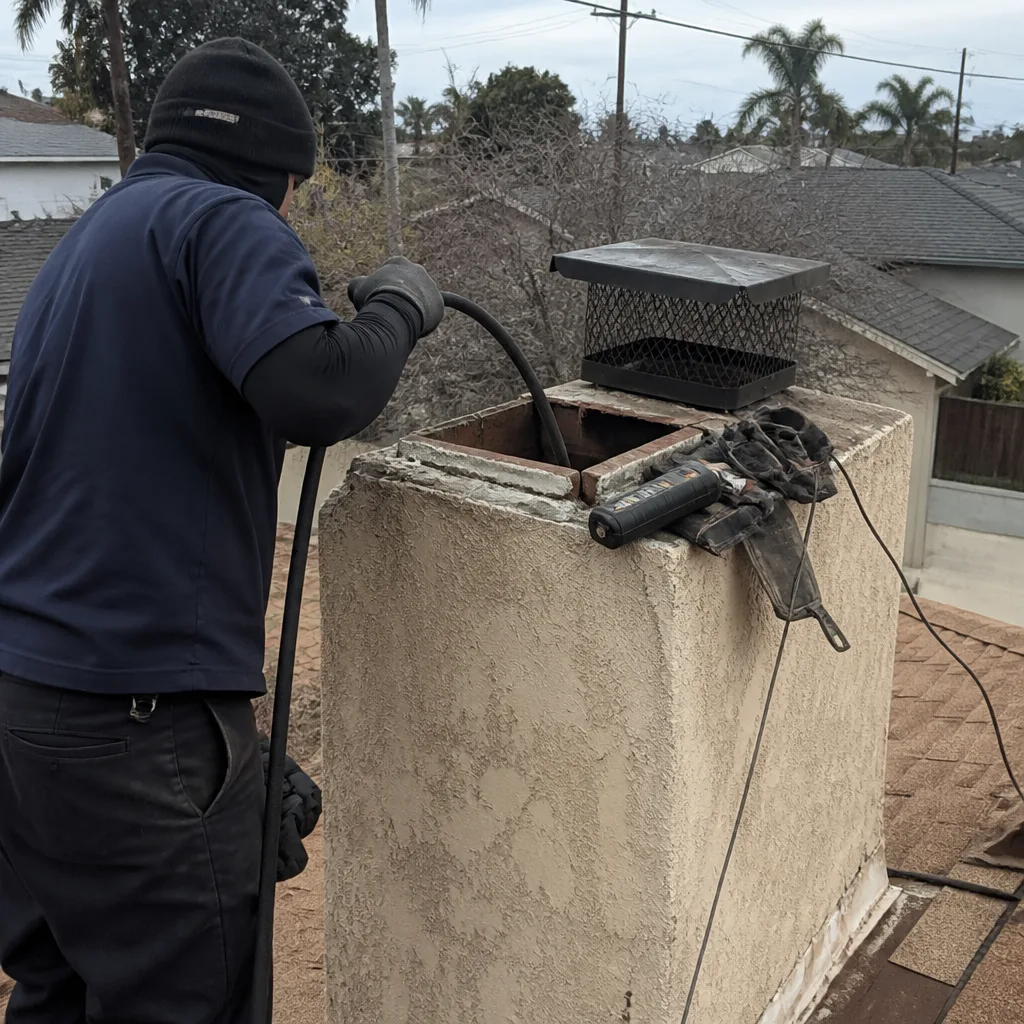 Before
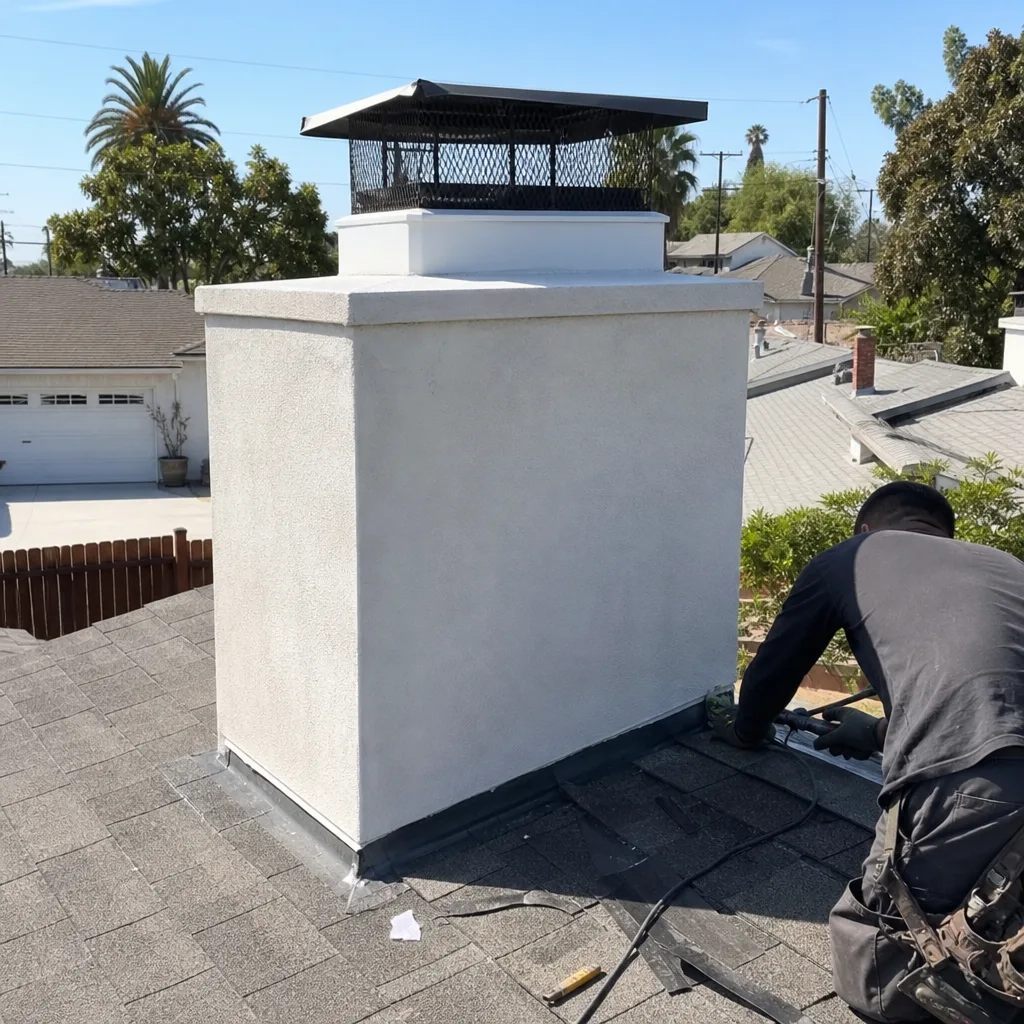 After
After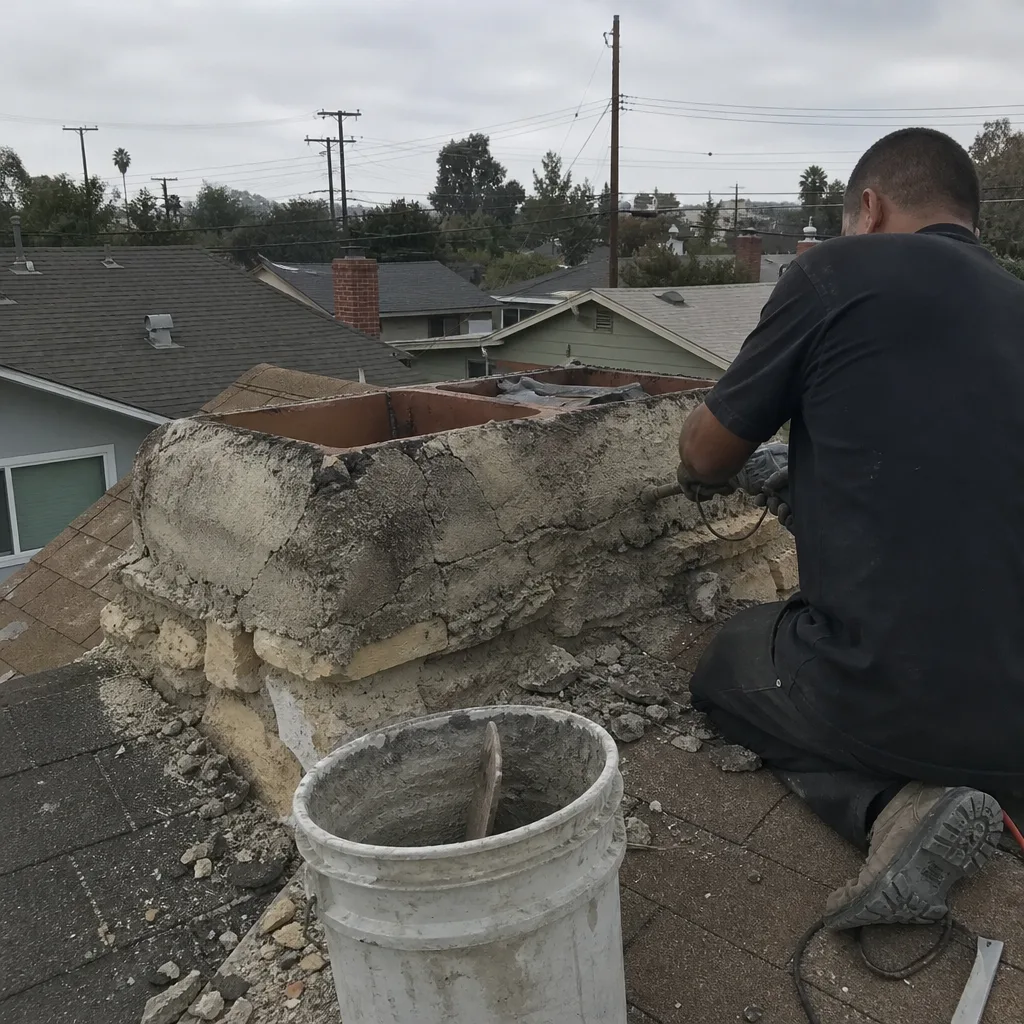 Before
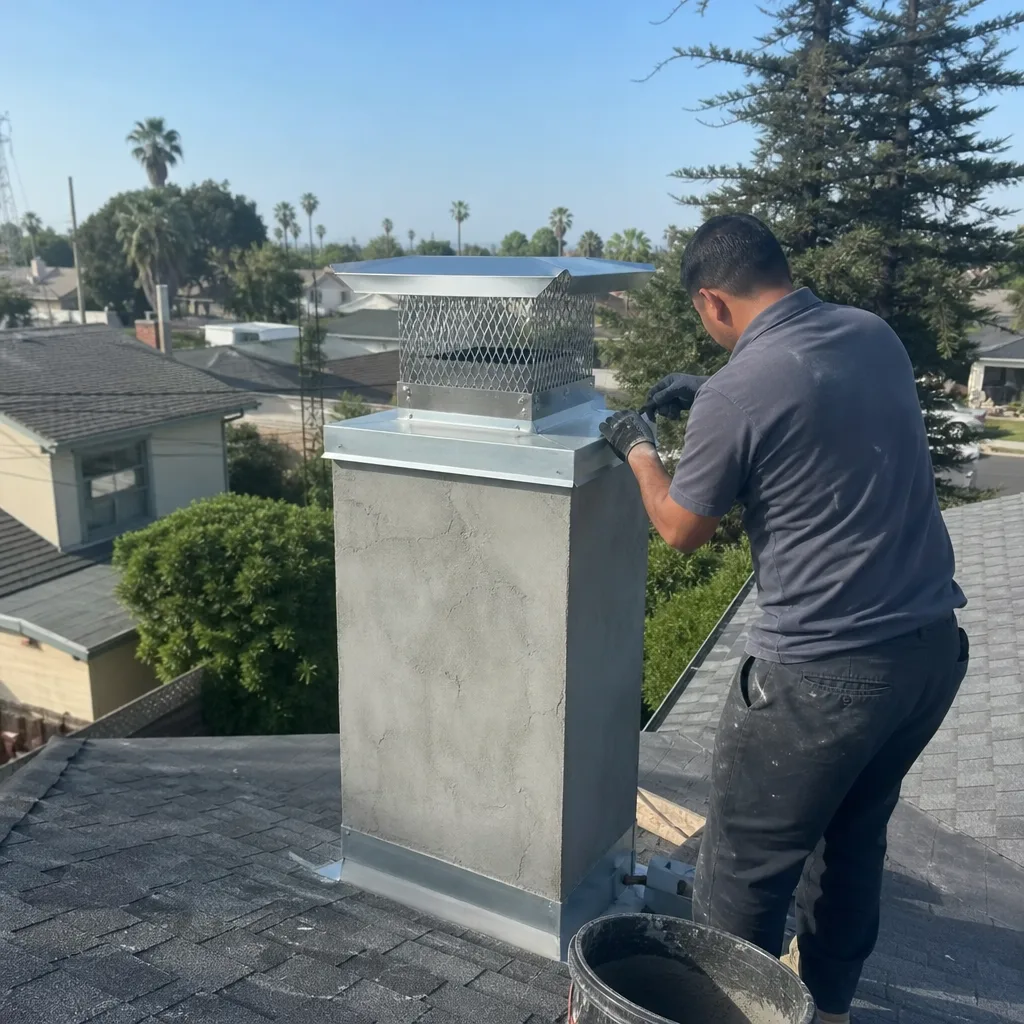 After
After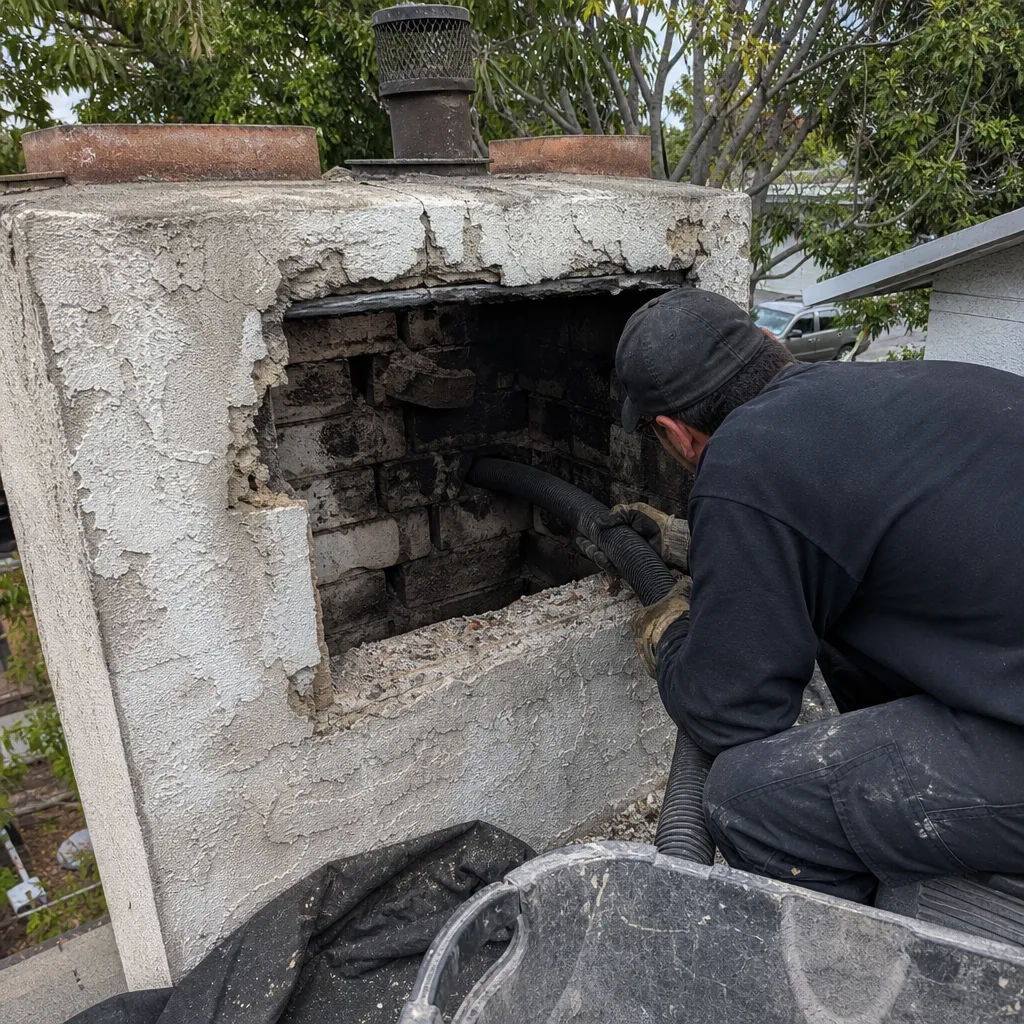 Before
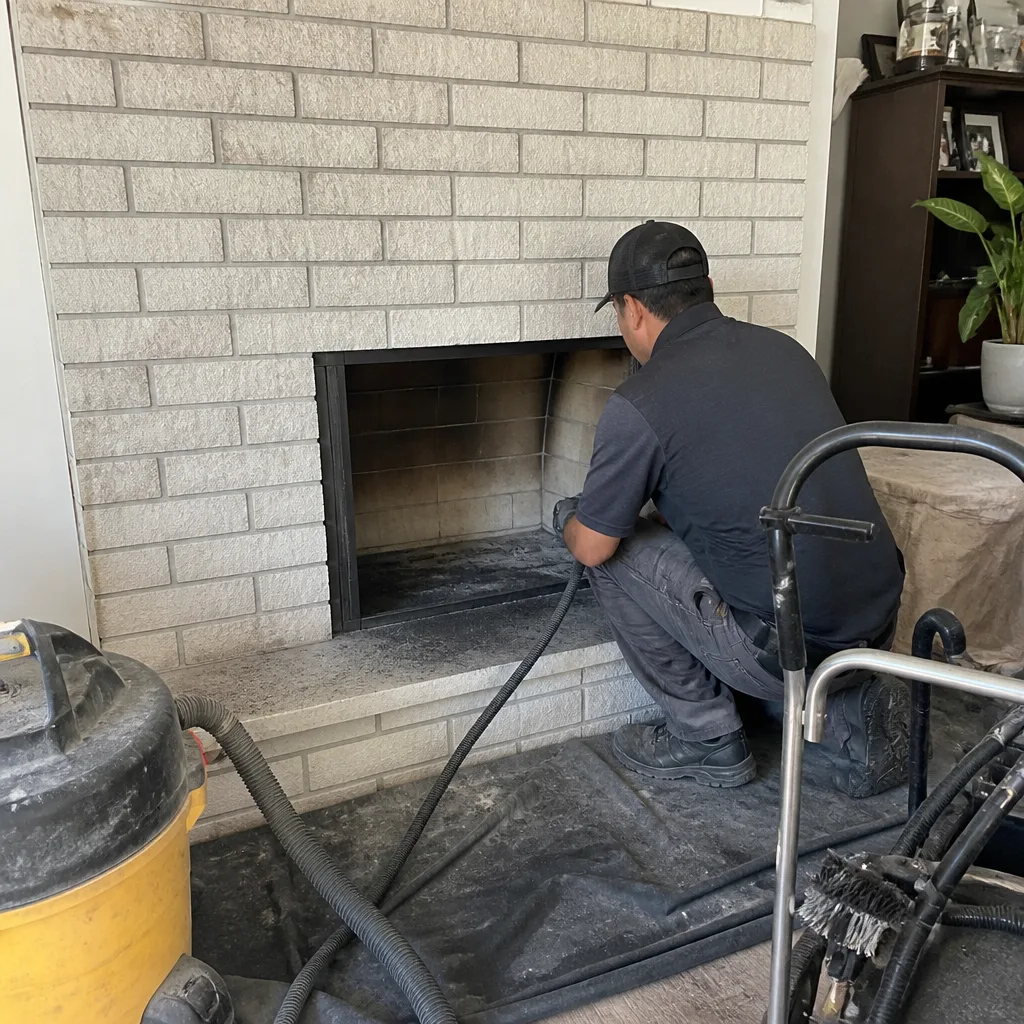 After
AfterWhen to Call a Professional
Call a chimney professional if you see smoke entering the living space during a fire, if you smell something acrid or unusual coming from the fireplace when it’s not in use, if you hear animals in the flue, if you see crumbling mortar or cracked brick on the chimney exterior, or if your damper won’t open or close properly. Also call before lighting any fire in a chimney that hasn’t been used in two or more years. A video inspection answers questions that a ground-level look cannot.
Flint Chimney Co Long Beach offers free estimates in Long Beach. We’re a Chimney Repair in Long Beach company that puts the price in writing before any work begins, backs every repair with a written 365-day guarantee, and shows you the flue camera footage so you can verify every recommendation with your own eyes. Call (562) 317-7262 for a free estimate.
Frequently Asked Questions
A standard chimney sweep in Long Beach typically runs $169 to $279. That includes brushing the full flue, cleaning the smoke chamber and firebox, inspecting the damper, and checking the cap. If a Level 2 inspection is added, expect $100 to $250 more. We put every price in writing before work starts. Call (562) 317-7262 for a specific quote, and the number you’re quoted is the number you pay.
September is the correct month in Long Beach, not spring. Santa Ana winds arrive in October and deposit debris into flues before burn season starts. A September sweep removes last season’s creosote and clears wind-blown debris before you light your first fire. We recommend booking early in the month for the best availability.
Yes, though you may not need one every year if you burn infrequently. Every burn produces creosote, and creosote accumulates even with light use. A few fires each season over several years adds up. More importantly, the annual sweep includes an inspection that catches problems like debris blockages, animal nests, and damper rust before they become expensive repairs. A good rule of thumb in Long Beach: sweep at least every other year if you burn 10 or fewer fires per season, and every year if you burn more or notice any performance issues.
The risks break into three categories. First, fire risk: creosote buildup or wind-blown debris can ignite inside the flue, and chimney fires damage liners and sometimes spread to the house structure. Second, carbon monoxide risk: a blocked or damaged flue prevents combustion gases from venting, pushing CO back into the living space. Third, repair costs: moisture intrusion from Long Beach’s humid springs and Santa Ana debris accelerates rust and mortar decay, and small issues become structural problems. A $200 sweep is cheaper than a $3,000 relining.
A Level 2 inspection includes everything in a Level 1 (visual check of accessible portions of the firebox, damper, and flue) plus access to attic, crawlspace, and roof areas, and a video scan of the flue interior from top to bottom. NFPA 211 requires Level 2 when a chimney has been unused for two or more years, when a property changes hands, or after events that may have damaged the chimney. The video scan documents the flue condition so you can see exactly what’s inside.
The National Fire Protection Association recommends a sweep and Level 1 inspection at least once per year for any chimney in regular use. For Long Beach homeowners who burn 10 to 15 fires per season, an annual September sweep is the right cadence. If you burn less than 10 fires per year and the flue was clean at the prior sweep, every other year is usually sufficient, but keep up the twice-yearly cap and damper checks regardless.
The Bottom Line
Long Beach’s chimney care calendar looks different from the national advice. The critical month here is September, when you clear the flue before Santa Ana winds fill it with debris and before burn season begins. Spring is for monitoring, not sweeping. The big risks are the ones you can’t see from the couch: wind-blown blockages, humidity-driven rust, and a flue that’s been out of service long enough to need a video inspection before you trust it with fire. A $169 to $279 September sweep covers a lot of ground. What it doesn’t cover, an inspection will catch. The fireplace is a managed system, and the management is simple: check your cap, clear the ash, sweep before burn season, and when a repair is recommended, ask to see the video. A reputable Chimney Sweep in Long Beach will show it to you and put the price in writing before any work starts. For more guides & resources, explore our blog.
Written by Hank Delano, Owner at Flint Chimney Co Long Beach, serving Long Beach since 2002.