
Last updated October 15, 2026
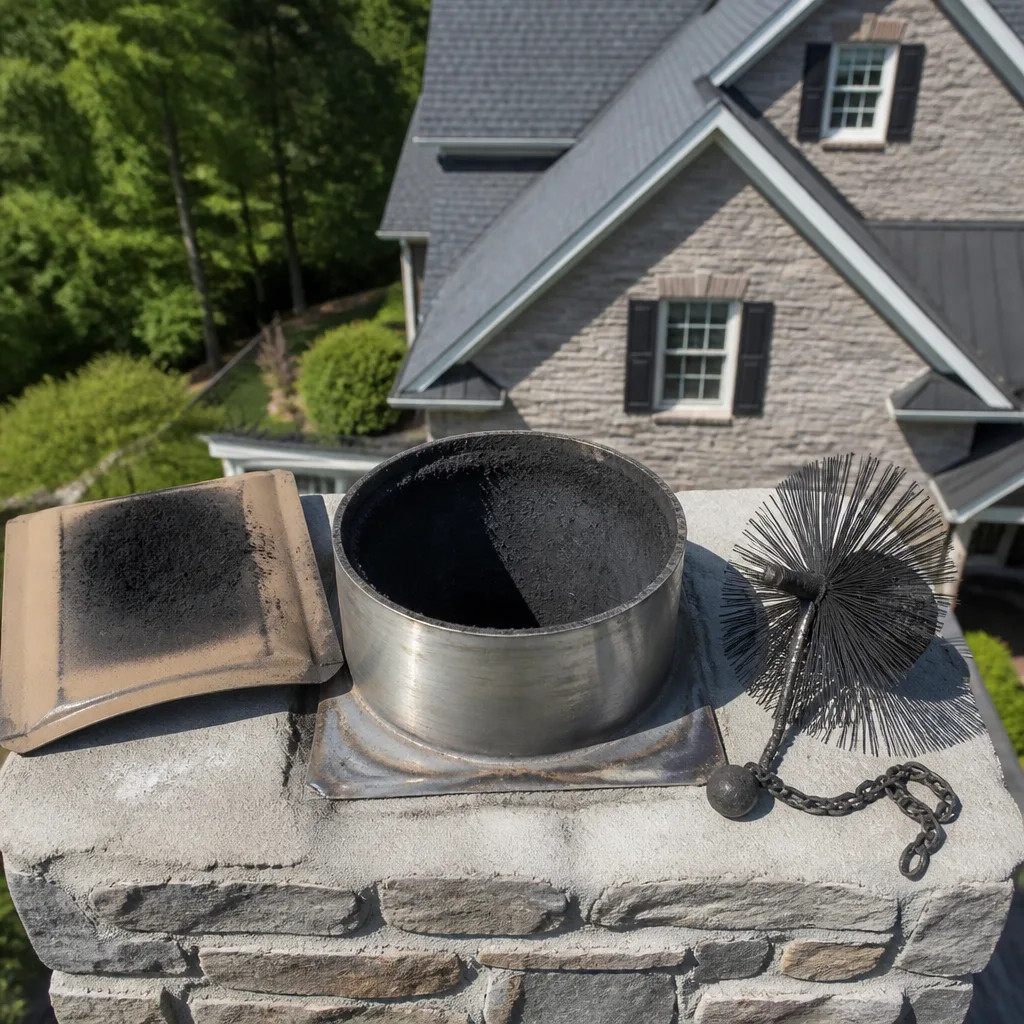 Sweep & inspection
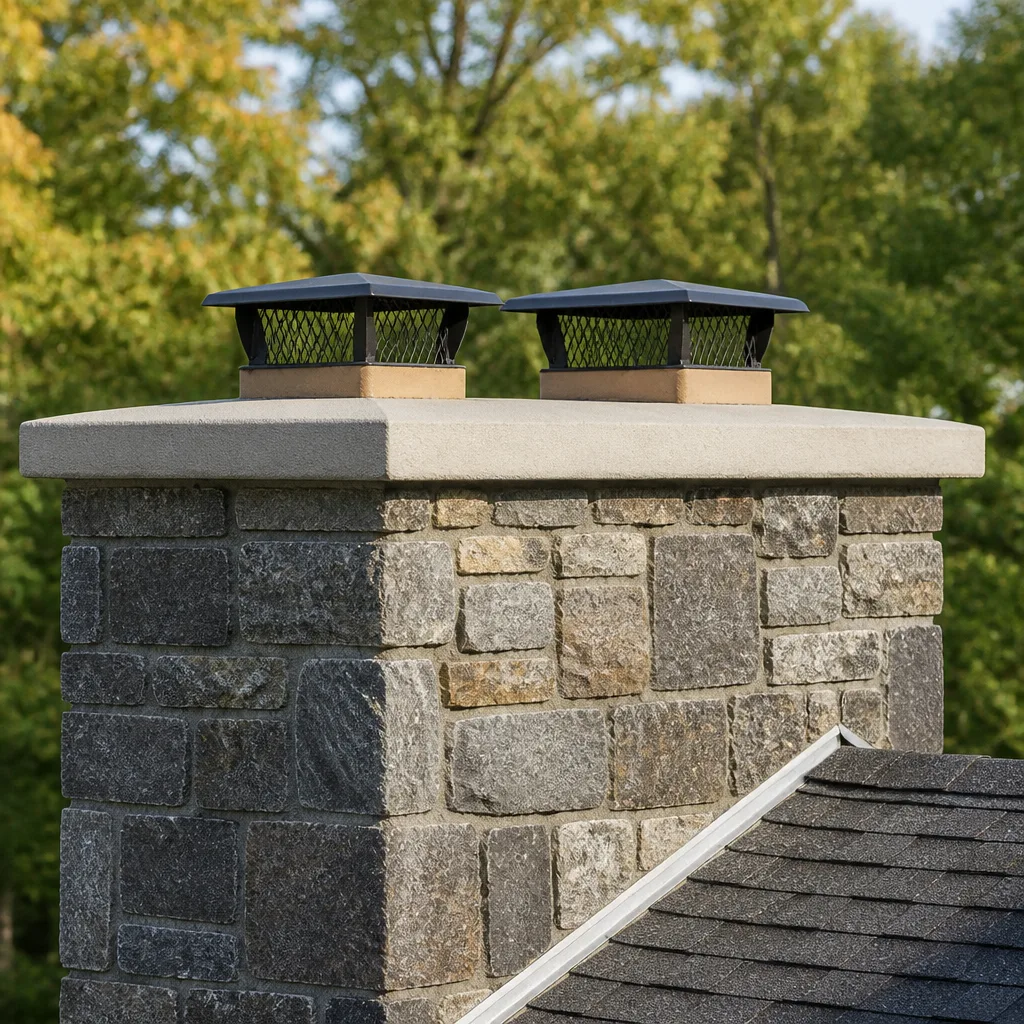 Caps & crowns
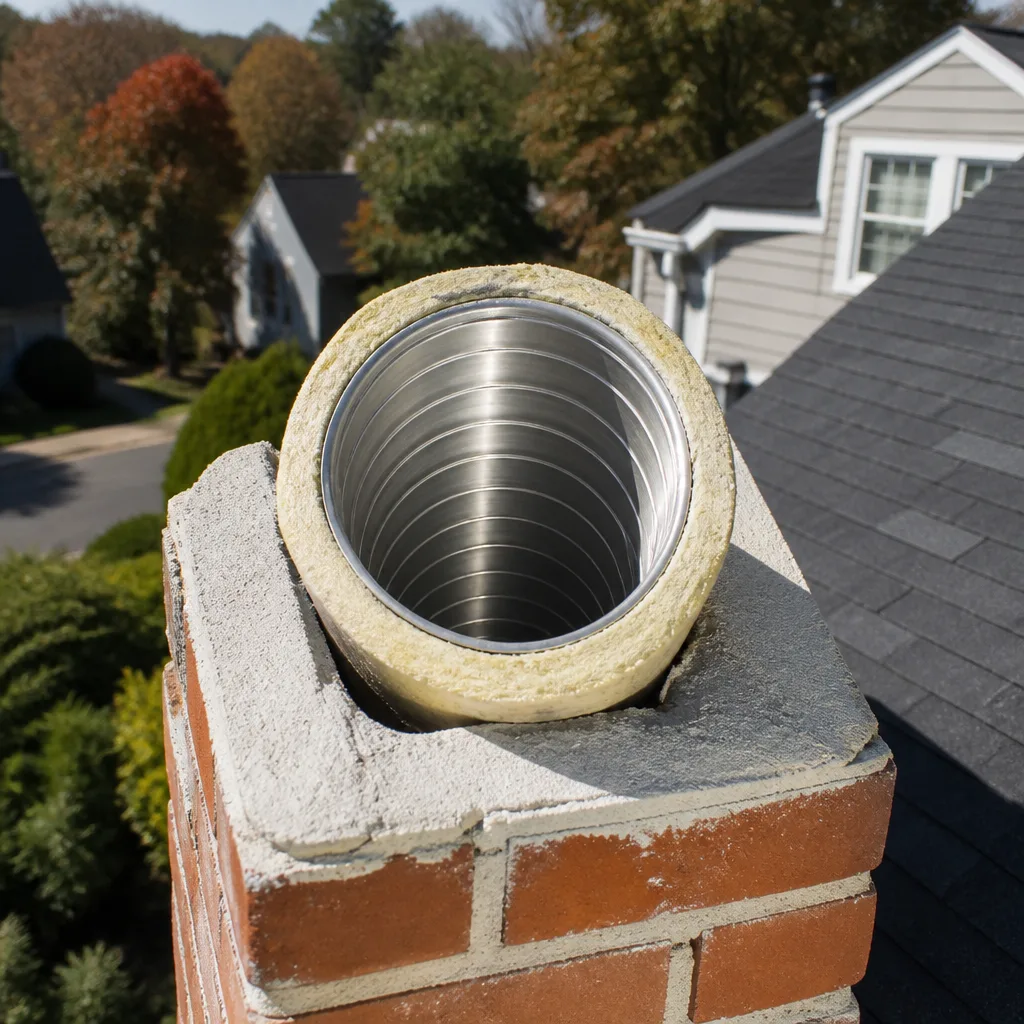 Flue relining
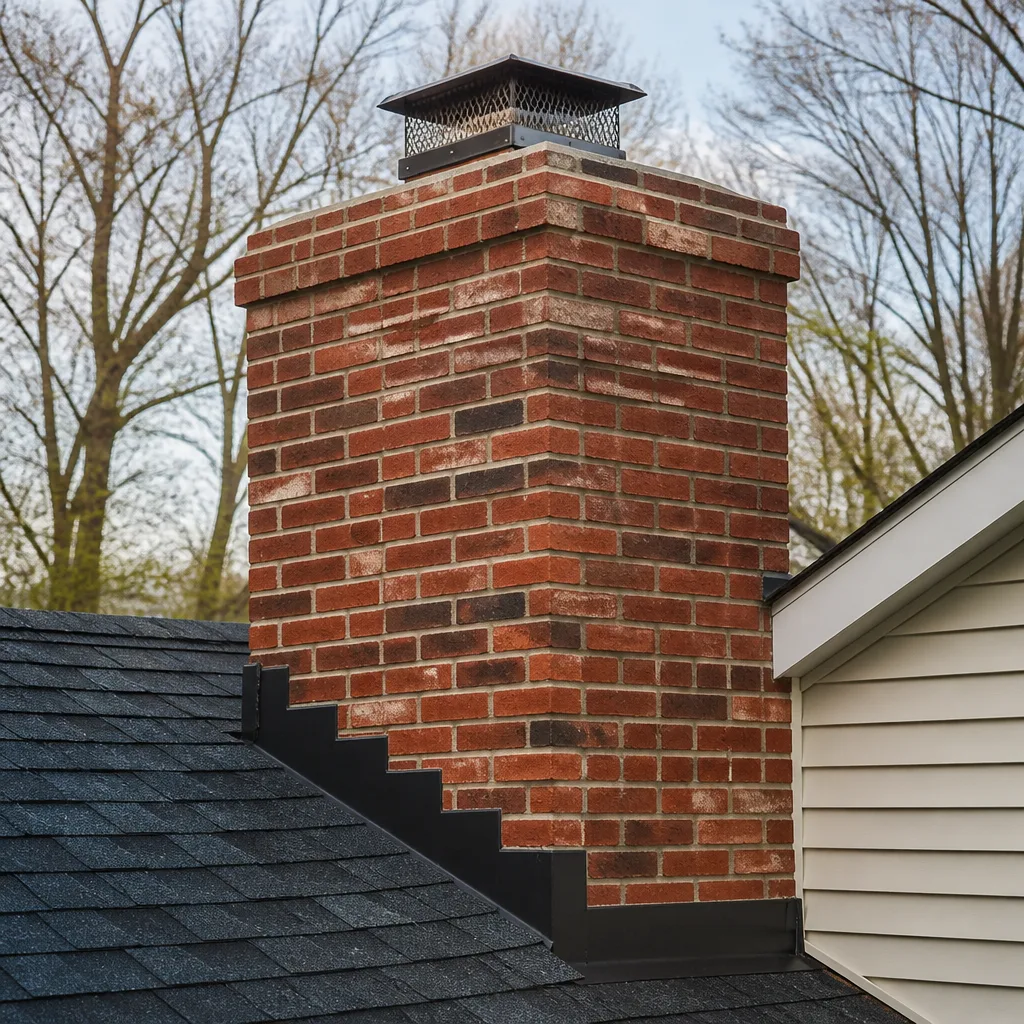 Masonry repair
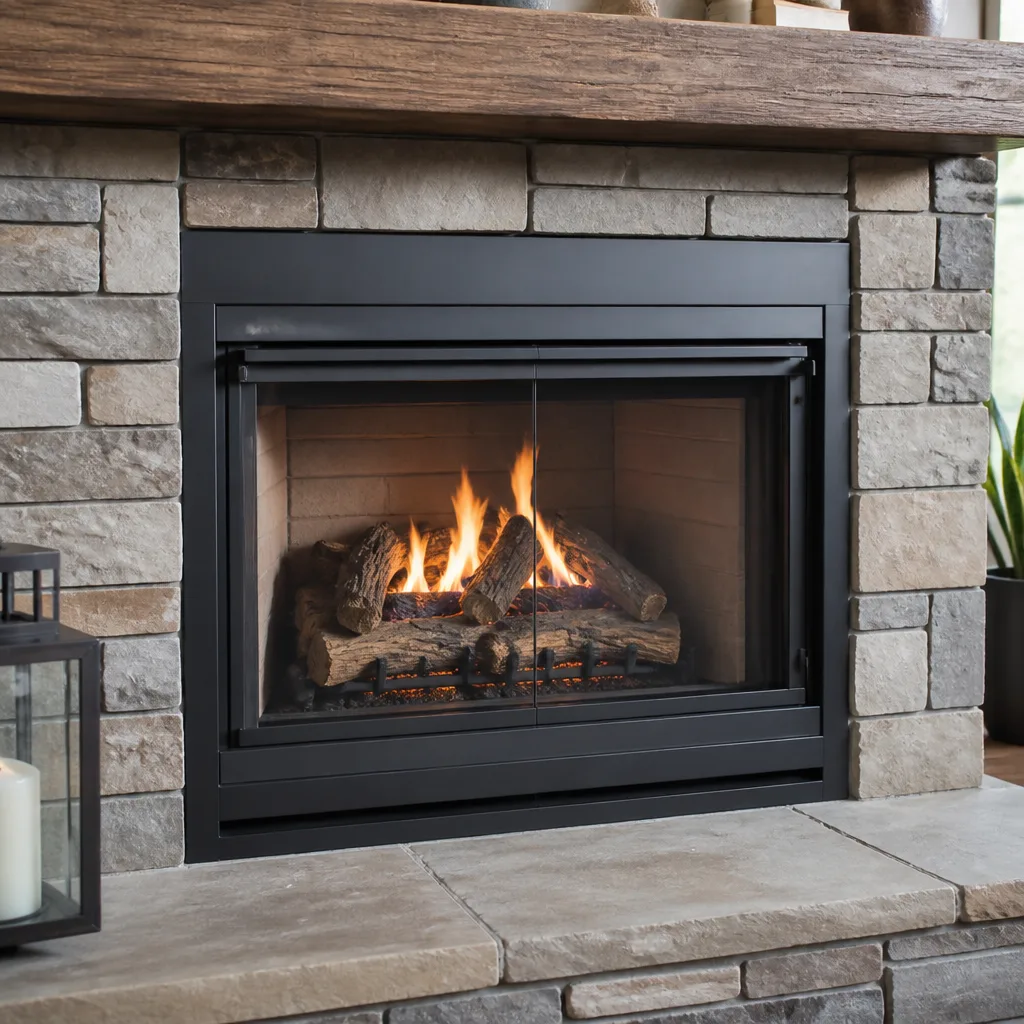 Gas fireplace service
Level 1 sweep and inspection to the NFPA 211 annual standard - flue, crown, cap, and flashing checked and photographed
Chimney sweep logs do not sweep chimneys. They loosen some creosote - which then falls where a brush and vacuum still have to collect it.
How to Hire a Chimney Cleaning Contractor in Long Beach: A Step-by-Step Guide
The most common chimney cleaning complaint filed with California consumer protection agencies isn’t bad work. It’s a price that doubled after the technician was already in the house. Homeowners across Long Beach call us after this exact situation: a “$79 special” that became $800 once the sweep pointed at a liner, a crown, or a flashing detail the homeowner couldn’t see or verify. This guide exists so you never sit in that chair. You’ll learn the exact documents to demand before booking, the certification questions that separate trained sweeps from guys with a brush, and the scope-language red flags that show up on vague estimates around Long Beach every single week.
Styles & brands we work with
Quick Answer
To hire a chimney cleaning contractor in Long Beach, request three written documents before anyone arrives: a line-item estimate, proof of liability insurance, and the guarantee terms in writing. Verify the company carries CSIA certification alongside California contractor licensing, and insist on a camera inspection as part of the standard sweep, not as an upsell after the fact. A standard chimney sweep in Long Beach typically runs $180 to $340.
Table of Contents
- The Three Documents to Request Before You Book Anything
- CSIA Certification vs. California Contractor Licensing: What Each Covers
- The Questions That Reveal Whether a Camera Inspection Is Standard or an Upsell
- How to Compare Two Estimates When the Scope Descriptions Are Vague
- What a Legitimate Guarantee Actually Looks Like in Writing
- Long Beach-Specific Factors: Salt Air, Older Flues, and Local Market Pricing
- The Step-by-Step Hiring Process, From First Call to Final Walkthrough
- Common Mistakes to Avoid
- When to Call a Professional
- Frequently Asked Questions
- The Bottom Line
The Three Documents to Request Before You Book Anything
Hiring a chimney cleaner is a procurement decision. You wouldn’t sign a roofing contract without a written scope, and a chimney is a fire-containment system running through the center of your house. The documentation step is where Long Beach homeowners get burned, and it’s the one step that costs you nothing but ten minutes on the phone.
Here’s what you ask for before a single tool comes off the truck:
- A written estimate with line-item scope. Not a verbal number. Not “we’ll send it after.” A document that names the work: sweep, inspection level, any repair, the material brand if a repair is specified, and the total. In Long Beach, a standard sweep plus Level 1 inspection should land between $180 and $340. If a company won’t put that number on paper before arriving, walk.
- Proof of liability insurance. The company should be able to email a certificate of insurance (COI) showing general liability coverage. You’re allowed to ask for this. A chimney sweep working on your roof or inside your flue is a liability exposure, and any legitimate operation carries coverage and can prove it in five minutes. If they hesitate, that tells you something.
- The guarantee terms, written. Not “we stand behind our work.” The actual document: what’s covered, for how long, and what happens if it fails. A repair guarantee that isn’t written down is a guarantee that doesn’t exist. At Flint Chimney Co Long Beach home, every repair comes with our 365-Day Done Right Promise in writing: one full year of coverage, and if a covered repair fails in that window, we return at no charge. That’s the standard you’re looking for from any company.
If a contractor pushes back on any of these three, the conversation is over. Not because they’re necessarily dishonest, but because you’re hiring for discipline, and a company that runs on discipline has these documents ready before you ask.
CSIA Certification vs. California Contractor Licensing: What Each Covers
This is the question most guides skip, and it’s the one that matters most. CSIA certification and California contractor licensing are not the same thing. They cover different ground, and on a chimney job you want both.
CSIA certification comes from the Chimney Safety Institute of America. It means the individual technician passed an exam on chimney science: draft mechanics, clearance requirements, flue sizing, code compliance for venting systems. It’s a knowledge credential. A CSIA-certified sweep understands why a flue is sized the way it is and what happens when it isn’t. When you’re looking at a Chimney Sweep in Long Beach, this is the credential that tells you the person knows the difference between creosote stages and can identify a clearance violation by sight.
California contractor licensing comes from the Contractors State License Board (CSLB). It’s a legal credential: the company carries a license, is bonded, and has met the state’s requirements to operate as a contractor. The license is public record. You can look it up on the CSLB website and see the license status, any complaints, and how long it’s been active.
Here’s the distinction that matters in practice: a CSIA certification means the sweep knows what they’re looking at. A California contractor license means the company is legally permitted to do the work and you have recourse if something goes wrong. One without the other leaves a gap. Ask for both. A legitimate chimney company in Long Beach will have the license number printed on the estimate and will tell you the technician’s certification without being asked twice.
One more note: CSIA certification belongs to the individual, not the company. When you call, ask who the technician will be and whether that specific technician holds the certification. “Our techs are certified” is not the same as “the tech at your door will be certified.” Get the name.
The Questions That Reveal Whether a Camera Inspection Is Standard or an Upsell
Camera inspections are the single biggest point of friction in the chimney cleaning industry. A legitimate company uses a camera because it’s the only way to actually see the inside of a flue. A less scrupulous company uses the camera as a dramatic reveal: “Look at this crack, you need a $4,000 liner, and we can do it today.”
The difference comes down to one question: “Is the camera inspection included in the standard sweep price, or is it an add-on?”
Here’s what the answer tells you:
- “It’s included.” This is what you want to hear. A company that includes the camera as part of the standard sweep is using it as a diagnostic tool, not a sales prop. The camera footage should be shared with you, either on the spot or in a photo report. You should see exactly what the technician saw, and you should be able to verify any recommended repair with your own eyes.
- “It’s an upgrade for an additional fee.” This isn’t automatically a dealbreaker, but it tells you the company treats visual verification as a premium feature. Ask what the upgrade costs. If the company charges extra for the tool that proves a repair is necessary, you should wonder what they’re using to make repair recommendations on the standard visit.
- “We only use the camera if we see a problem.” This is the answer that should end the conversation. If the camera only comes out when there’s already a problem, the company is using it to build a case for an upsell, not to diagnose. Every sweep should include a camera pass. The technology costs a few thousand dollars and has been standard equipment for a decade. There’s no legitimate reason to withhold it.
When you call a Chimney Inspection in Long Beach company, ask the camera question in the first phone call. The answer will tell you more about how that company operates than any review ever will. We use a camera on every single sweep at Flint Chimney Co, and the footage is part of your written report. If we recommend a repair, you can see the crack on the screen and in the photos, and you can take that report to a second opinion without any friction. That’s how it should work everywhere.
How to Compare Two Estimates When the Scope Descriptions Are Vague
Vague scope language is the number one way chimney companies create price confusion. Two estimates can both say “chimney cleaning” and differ by $600, and the homeowner has no way to judge which one is honest because neither estimate specifies what’s actually included.
Here’s the language to look for on a legitimate estimate, and the language that should send you looking for another company:
Language that means something:
- “Sweep flue from firebox to termination cap, including removal of creosote deposits to bare brick or flue tile surface.” Specific. This tells you what physically happens.
- “Level 1 inspection per NFPA 211 standards, including visual inspection of accessible portions of flue, appliance, and connection.” References a real standard you can look up.
- “Install 6-inch DuraFlex stainless steel liner, including removal of existing clay tile where deteriorated.” Names the material brand and the scope of removal. When a company names the product brand on the estimate, they’re telling you exactly what you’re paying for, and you can verify the product independently.
- “Repair crown with Gelco sealant, including cleaning and preparation of existing crown surface.” Again: material named, work specified.
Language that means nothing:
- “Clean chimney as needed.” As needed by whom? Under what standard? Does “needed” mean when the technician decides it’s needed, which is after he’s already in the house?
- “Inspect and advise.” This is a blank check. The inspection is what the company says it is, and the advice is whatever repair they can sell.
- “Repair as necessary.” This phrase should not appear on any estimate you accept. Necessary according to what criteria? With what materials? At what cost? Without those answers, the estimate is a permission slip for the technician to bill you whatever he wants.
- “Complete chimney restoration.” Restoration is not a defined term. It can mean a $600 crown repair or a $6,000 rebuild, and the word itself gives you no way to tell the difference.
When two estimates come back with different numbers, don’t ask “why is yours more expensive?” Ask “what’s included in yours that isn’t in theirs?” The answer to that question should be concrete: a named material, a specific repair, an inspection level. If the answer is “quality workmanship” or “peace of mind conversation,” you’re paying for words.
At Flint Chimney Co, every estimate names the work line by line. If we’re installing a Famco chimney cap, the estimate says Famco. If we’re repairing a flue with HeatShield, the estimate says HeatShield, which flue, and what the repair covers. You get a written price before any work starts, and the number on the invoice matches the number you approved. That’s not a selling point. It’s the only way an estimate has any meaning.
What a Legitimate Guarantee Actually Looks Like in Writing
Every chimney company says they guarantee their work. Very few can hand you a document on the spot. Here’s what a legitimate repair guarantee includes, and here’s how to tell the difference between a real guarantee and a sentence on a brochure.
A real guarantee has four components:
- A defined timeframe. “One year from the date of service” is a defined timeframe. “For as long as you own the home” is not, because it’s unverifiable and usually unenforceable. At Flint Chimney Co, our 365-Day Done Right Promise covers every repair for a full year from the service date. The date is on the invoice, and the coverage runs from that date. No ambiguity.
- Defined defects. The guarantee should say what’s covered: workmanship defects, material failures, installation issues. It should also say what’s not covered: normal wear, damage from events like chimney fires or earthquakes, work performed by another company after we leave. A guarantee that covers “everything” covers nothing, because “everything” is not a legal term.
- A defined remedy. What happens if the covered repair fails? The document should say. Ours says we return at no charge and make it right. That’s it. No pro-rating, no diagnostic fee, no “we’ll take a look when we’re in the area.” If a covered repair fails within the year, we’re back, and you don’t pay for the return visit or the fix.
- Third-party verification rights. This is the component almost no one asks about, and it matters. If a repair fails and the original company disputes it, can you get an independent verification? A legitimate guarantee doesn’t require you to accept the original company’s word as final. You should be able to get a CSIA-certified inspector from a different company to assess the work, and the original company should be willing to review that assessment in good faith. If a guarantee requires you to call only the original company and accept only their diagnosis, you don’t have a guarantee. You have a warranty on their honesty.
Before you book a Chimney Repair in Long Beach, ask for the guarantee in writing. Not a summary of it. The document. If the company can’t produce it, they don’t have one. It’s that simple.
Long Beach-Specific Factors: Salt Air, Older Flues, and Local Market Pricing
Long Beach has a chimney profile that differs from inland cities in ways that directly affect your hiring decision. Understanding these factors helps you evaluate estimates and ask better questions.
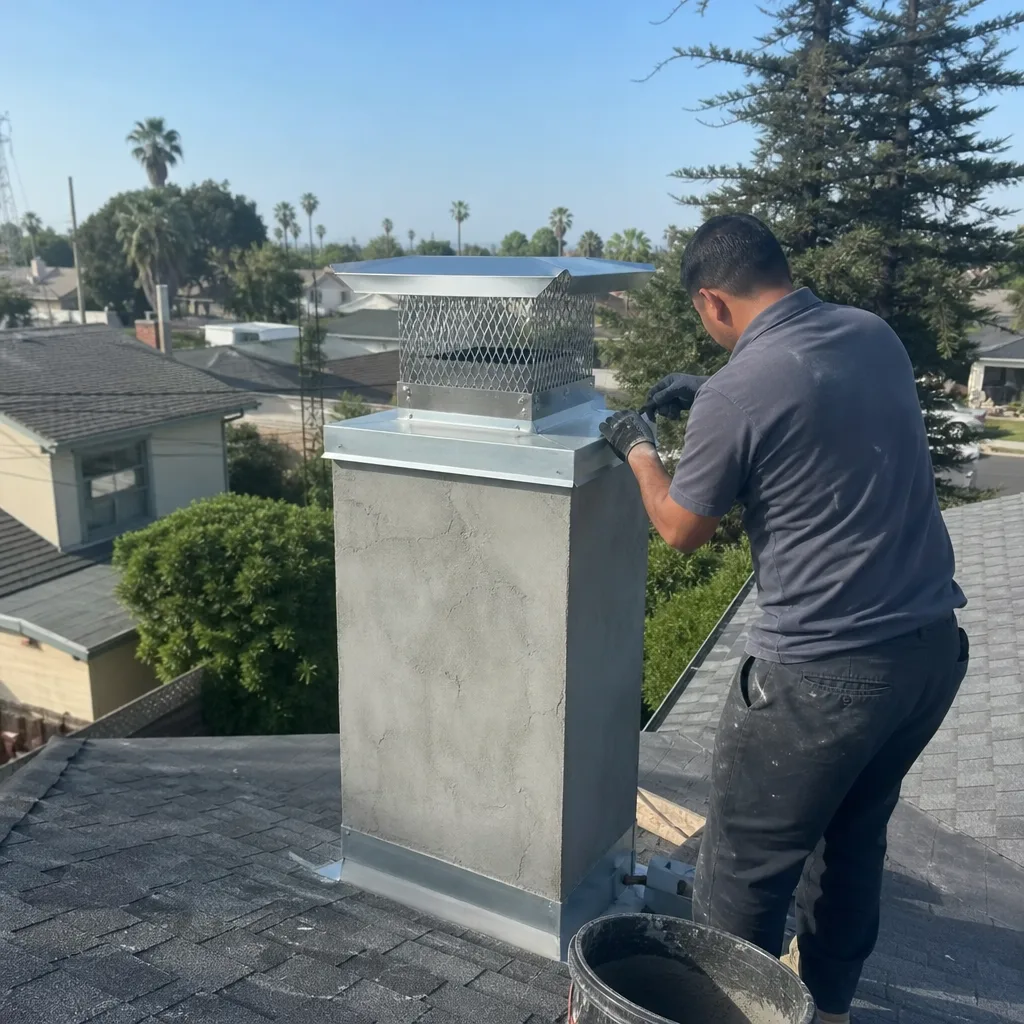
Salt air accelerates metal corrosion. Long Beach sits on the Pacific, and the marine layer carries salt that settles on chimney caps, flashings, and exposed metal components. We regularly see galvanized caps in Long Beach showing rust within five to seven years of installation, where the same cap inland would last ten or more. If your estimate includes a cap replacement, ask about the material. Stainless steel costs more upfront but resists salt corrosion far longer. Copperfield and Famco both make stainless caps that hold up in the Long Beach coastal environment. The cheapest cap on the estimate may be the most expensive cap you ever buy.
Older housing stock means clay tile flues. Much of Long Beach’s residential construction dates from the 1920s through the 1960s, and most of those chimneys were built with clay tile liners. Clay tile is durable, but it’s also brittle. When a clay tile cracks, the gap exposes the masonry behind it to heat and creosote, and that’s the beginning of a liner conversation. A crack in a clay tile flue in a 1950s Long Beach bungalow is not a rare event. It happens constantly. What matters is whether the company can show you the crack on camera and whether they quote a repair or a full reline. Some cracks can be repaired with HeatShield. Some require a full stainless liner replacement with a product like DuraFlex. You should be able to see the problem and understand why the recommended solution fits. If a company quotes a full reline on a hairline crack without showing you why, get a second opinion.
Local pricing is stable. A standard chimney sweep in Long Beach, including a Level 1 inspection, typically runs $180 to $340. Repairs add from there: a crown repair might land between $400 and $900, a flue relining between $2,500 and $6,000 depending on flue size and access. These are the numbers we see across Long Beach, and they’re consistent with what other established companies quote. If a bid comes in dramatically below these ranges, ask what’s being skipped. If it comes in dramatically above, ask what’s being added. The answer should be a specific material or a specific repair, not a vibe about quality.
The Step-by-Step Hiring Process, From First Call to Final Walkthrough
Here is the entire process, step by step, so you know exactly what to expect and exactly what to demand at each stage.
- Call and ask the screening questions. First phone call. Ask: Are your technicians CSIA certified? Can you email proof of liability insurance? Is the camera inspection included in the sweep price? Do you provide a written estimate before any work starts? The answers to these four questions eliminate most of the bad actors in five minutes. A live person should answer the phone. If you hit a voicemail tree during business hours, note that and move on.
- Request the written estimate before booking. The estimate should be emailed or handed to you before you commit to a date. It should include the line-item scope with material names where applicable, the total price, and the guarantee terms. Read it. If the scope language is vague, call back and ask for specificity. If they won’t clarify in writing, don’t book.
- Verify the license online. Look up the company’s California contractor license on the CSLB website. Check the status, look for complaints, and confirm the name on the license matches the name on the estimate. This takes five minutes and it’s free.
- Book the appointment and confirm the window. The company should give you a defined arrival window, not “sometime in the afternoon.” On the day of service, the technician should arrive in uniform with identification. At Flint Chimney Co, every technician is background-checked and uniformed, so you know exactly who’s walking through your door.
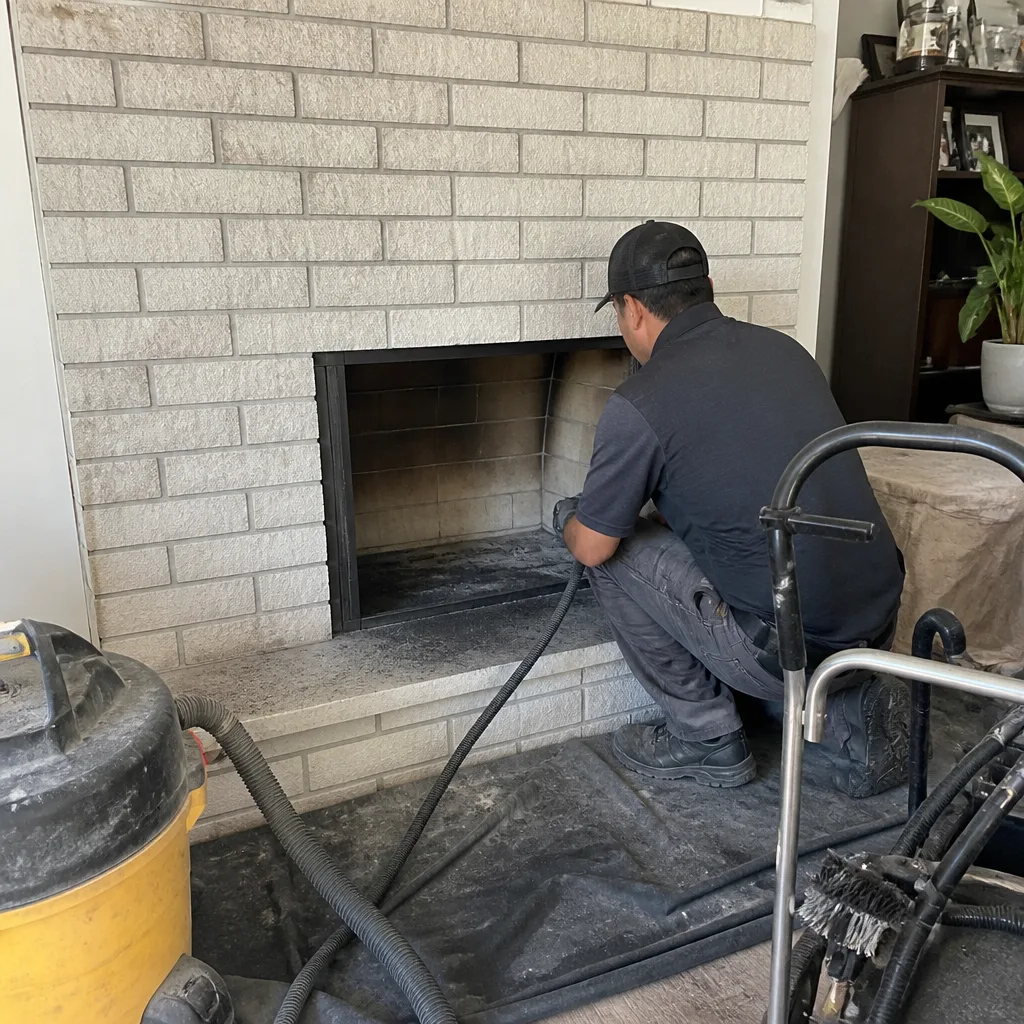
- Expect the sweep, the camera pass, and the visual report. The technician should sweep the flue, run the camera from firebox to termination, and show you the footage. If the flue is clean, you’ll see clean flue tile. If there’s damage, you’ll see the damage. Either way, you should see it.
- Review any recommended repairs against the evidence. If the technician recommends a repair, ask to see the camera evidence, ask for the recommended material by name, and ask for a written quote. You are not obligated to approve the repair on the spot. A legitimate company will give you the quote and let you decide. If you’re being pressured to sign the same day with a “discount that only applies today,” that’s not a discount. That’s a closing tactic.
- Approve the work in writing before it starts. The price on the invoice should match the price on the estimate and the quote. If it doesn’t, stop the work and ask why. In Long Beach, a legitimate chimney company doesn’t move the number at the door. Flint Chimney Co puts the price in writing before any work begins, and that’s the number. No exceptions.
- Keep the paperwork. Save the estimate, the invoice, and the guarantee document. If a repair fails, these documents are your recourse. The guarantee should state the coverage period and the remedy. File it where you keep your home records.
Common Mistakes to Avoid
- Booking based on the lowest price. A $79 chimney sweep in Long Beach is a lead-generation tool, not a service. The company arrives, finds $600 worth of “necessary” repairs, and the $79 becomes $700. The price was never the price. If a sweep quote is dramatically below the $180 to $340 range, ask what’s excluded.
- Skipping the written estimate. Verbal estimates are worthless. “Around $250” means nothing when the invoice says $450 and the technician is already on your roof. Get the number on paper before you book. This is the single most important step in the entire guide, and it’s the step most homeowners skip.
- Accepting a camera inspection as an upsell. If the camera only comes out when there’s already a problem, it’s not a diagnostic tool. It’s a sales prop. Demand the camera as part of the standard sweep, and demand to see the footage.
- Not checking the CSLB license. The CSLB website is public record. It takes five minutes. Skip this step and you’re hiring an unknown entity with unknown history. In California, hiring an unlicensed contractor for work over $500 exposes you to real legal and financial risk.
- Approving repairs without seeing the evidence. If the technician says your liner is cracked but won’t or can’t show you the crack on camera, don’t approve the repair. The technology exists. There’s no excuse for asking you to take it on faith.
- Accepting vague scope language. “Clean as needed” and “repair as necessary” are not scopes. They’re permission slips. Demand specifics, material names, and defined work.
- Ignoring the guarantee document. A guarantee you haven’t read is a guarantee you don’t have. Read it before you book, not after the repair fails.
When to Call a Professional
Some chimney situations are not do-it-yourself decisions, and knowing where that line is protects both your safety and your home. Call a professional when you see smoke backing up into the room, when you notice a strong odor coming from the fireplace in humid weather, when you see white staining on the exterior brick (efflorescence, a sign of water infiltration), or when it’s been more than a year since the last sweep and you plan to use the fireplace this season. Long Beach homes near the coast also face accelerated cap and flashing corrosion, so if your cap is rusted through or your flashing is pulling away, don’t wait. Chimney fires are real, and carbon monoxide is silent. For more guides & resources, visit our blog. Flint Chimney Co Long Beach offers free estimates in Long Beach, call (562) 317-7262 and we’ll put the price in writing before any work starts.
Frequently Asked Questions
A standard chimney sweep in Long Beach typically costs between $180 and $340, including a Level 1 inspection. Repairs add from there depending on the specific issue. Call (562) 317-7262 for a written estimate with line-item pricing, delivered before any work begins.
A legitimate chimney company in California holds a current contractor license verifiable on the CSLB website and employs technicians with CSIA certification, as detailed in our Chimney Cleaning Permits, Codes & Inspections in CA: What You Need to Know. Ask for both, plus proof of liability insurance, and verify the license number online before booking.
Yes, a camera inspection is the only way to actually see the condition of the flue interior, and it should be included in the standard sweep price. A company that charges extra for the camera or only uses it when there’s already a problem is not using the tool for diagnosis; it’s using it for sales.
The National Fire Protection Association recommends a chimney inspection at least once a year, and a sweep whenever creosote buildup reaches 1/8 inch or more. Homes in Long Beach that burn wood regularly through the winter should plan on an annual sweep before burning season starts.
If the repair is covered by a written guarantee, the company should return and fix it at no charge. Flint Chimney Co’s 365-Day Done Right Promise covers every repair for a full year from the service date, with a free return visit if a covered repair fails within that period. The guarantee document should state the coverage, the timeframe, and the remedy in writing.
You can get a ballpark price range over the phone from most established chimney companies, but an accurate written estimate usually requires a site visit because flue condition, access, and repair scope vary significantly from home to home. What you should insist on is a written estimate before any work starts, not after the technician is already in the house. Call (562) 317-7262 for a free estimate in Long Beach.
The Bottom Line
The homeowners who get burned by chimney companies aren’t the ones who chose wrong. They’re the ones who never asked for anything in writing. The vetting process is simple: demand a line-item estimate, verify the license and certification, insist on a camera inspection as standard, and read the guarantee document before you book. A chimney company that operates with discipline will produce all of these without hesitation. A company that won’t is telling you everything you need to know. In Long Beach, where salt air accelerates corrosion and older flues hide real damage, the cost of skipping these steps is higher than the cost of the sweep itself. Get the documents first. The rest takes care of itself.
Written by Hank Delano, Owner at Flint Chimney Co Long Beach, serving Long Beach since 2002.
See the difference
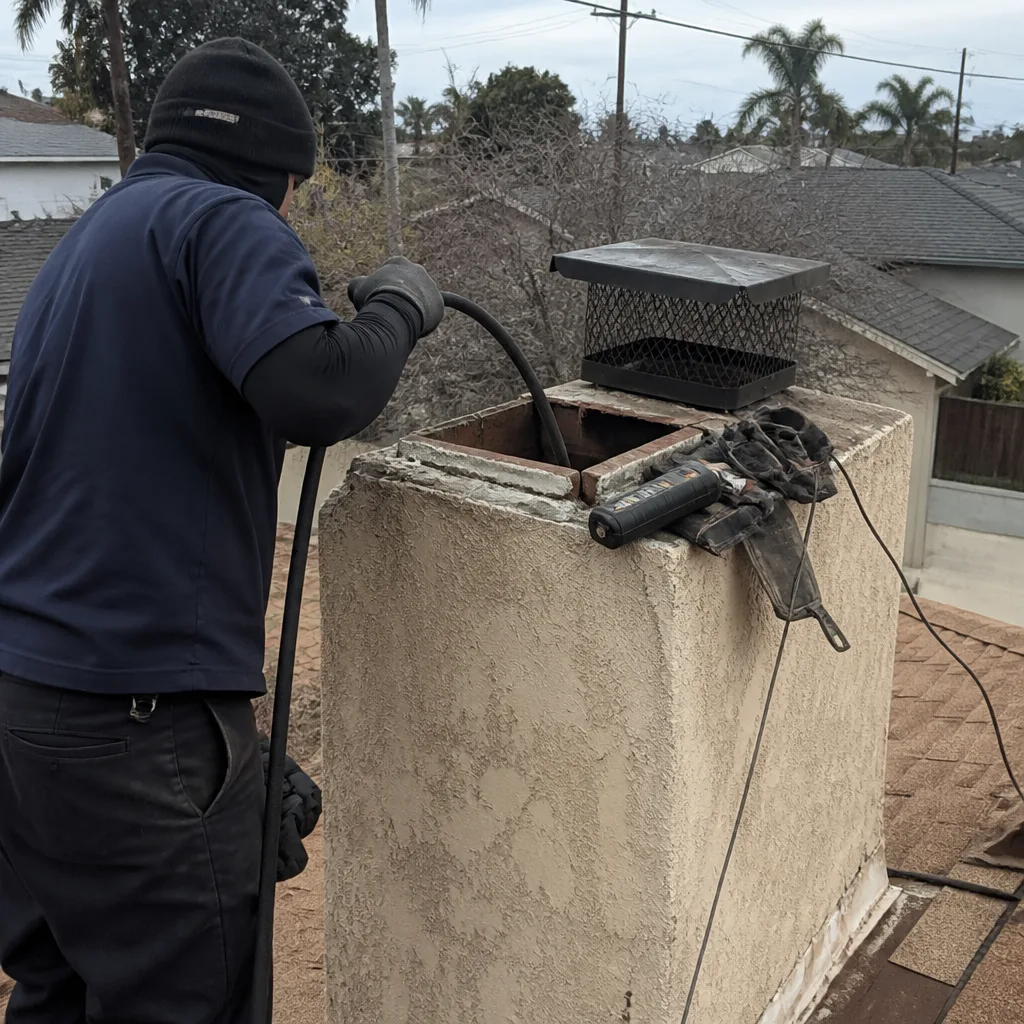 Before
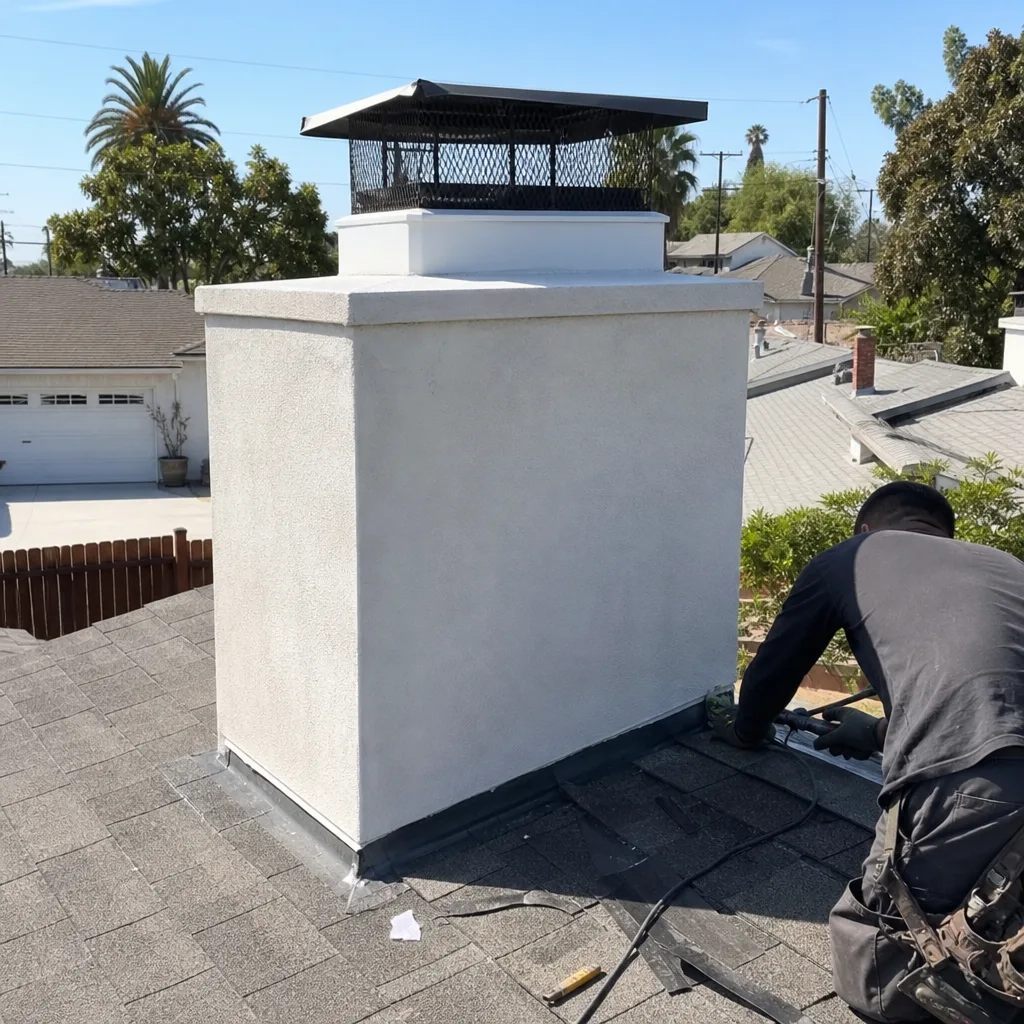 After
After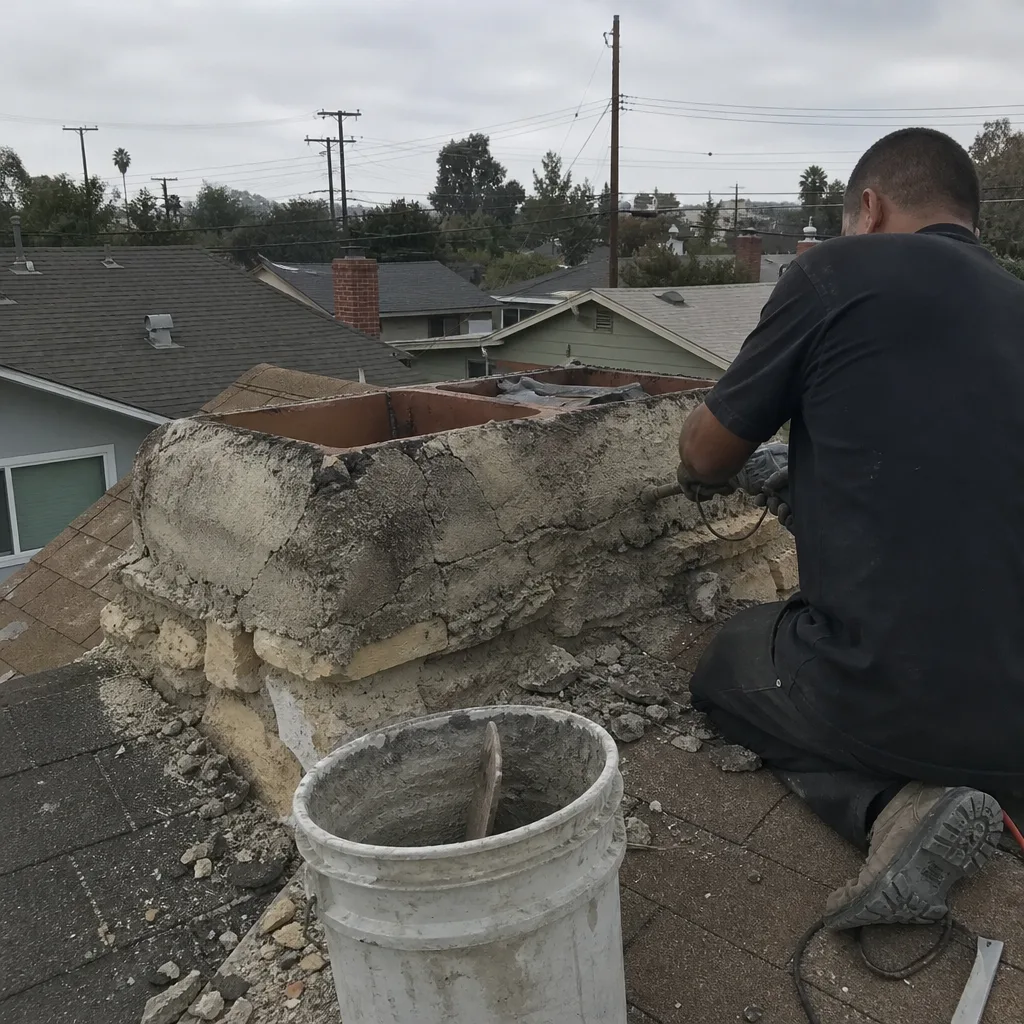 Before
 After
After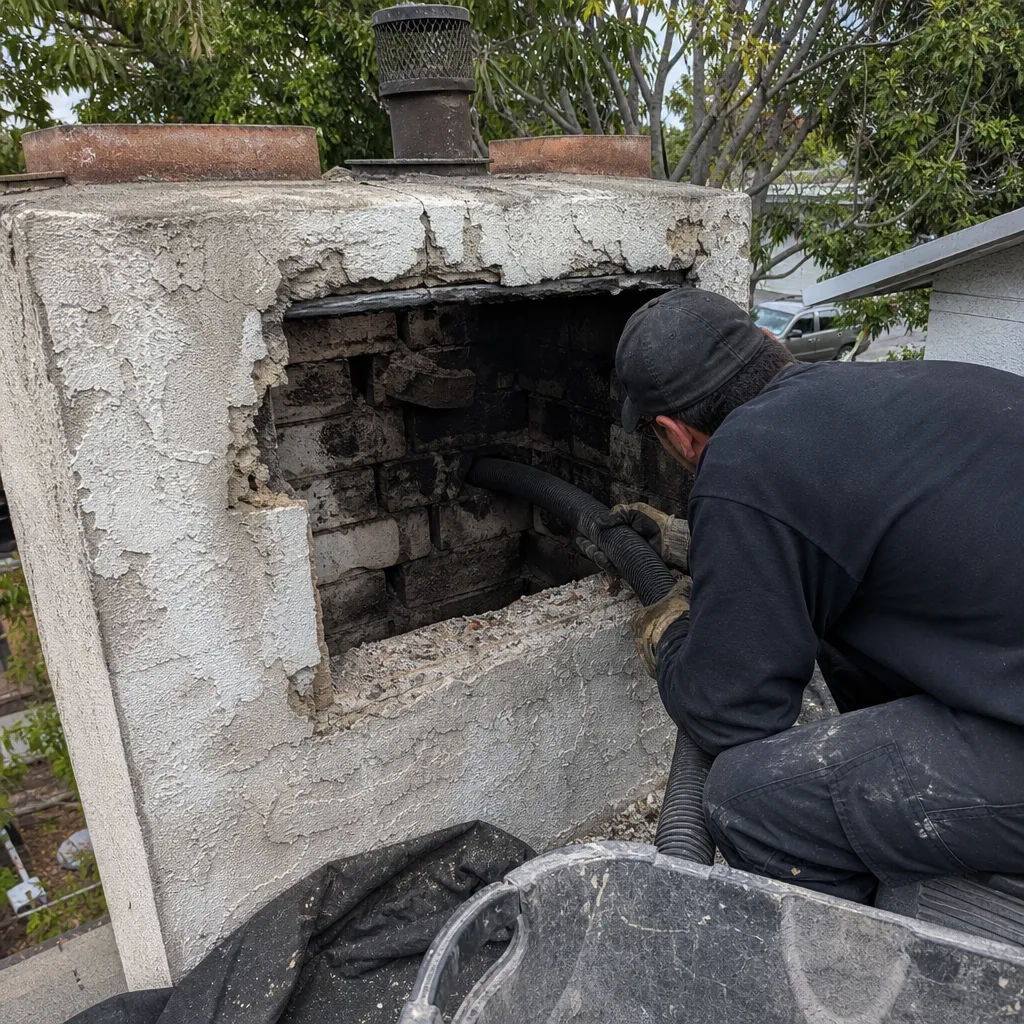 Before
 After
After