
Last updated October 15, 2026
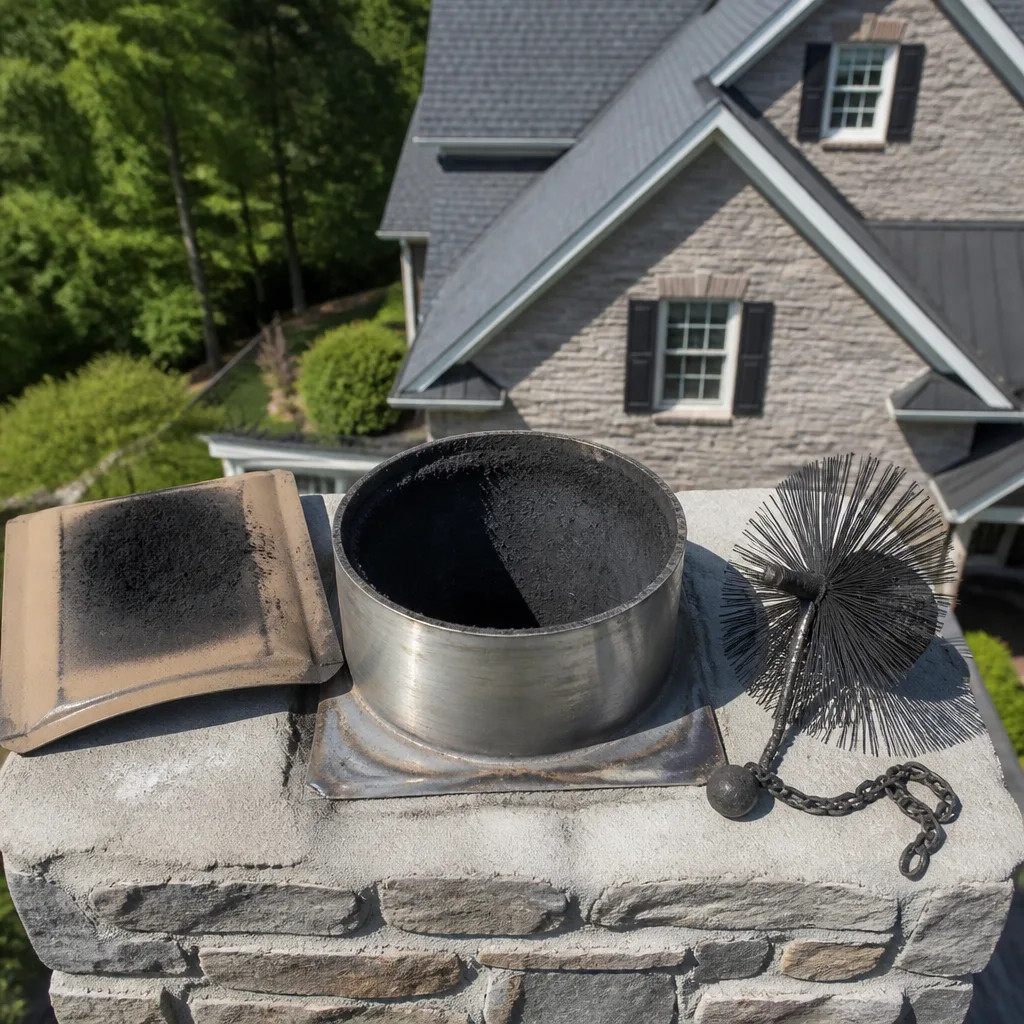 Sweep & inspection
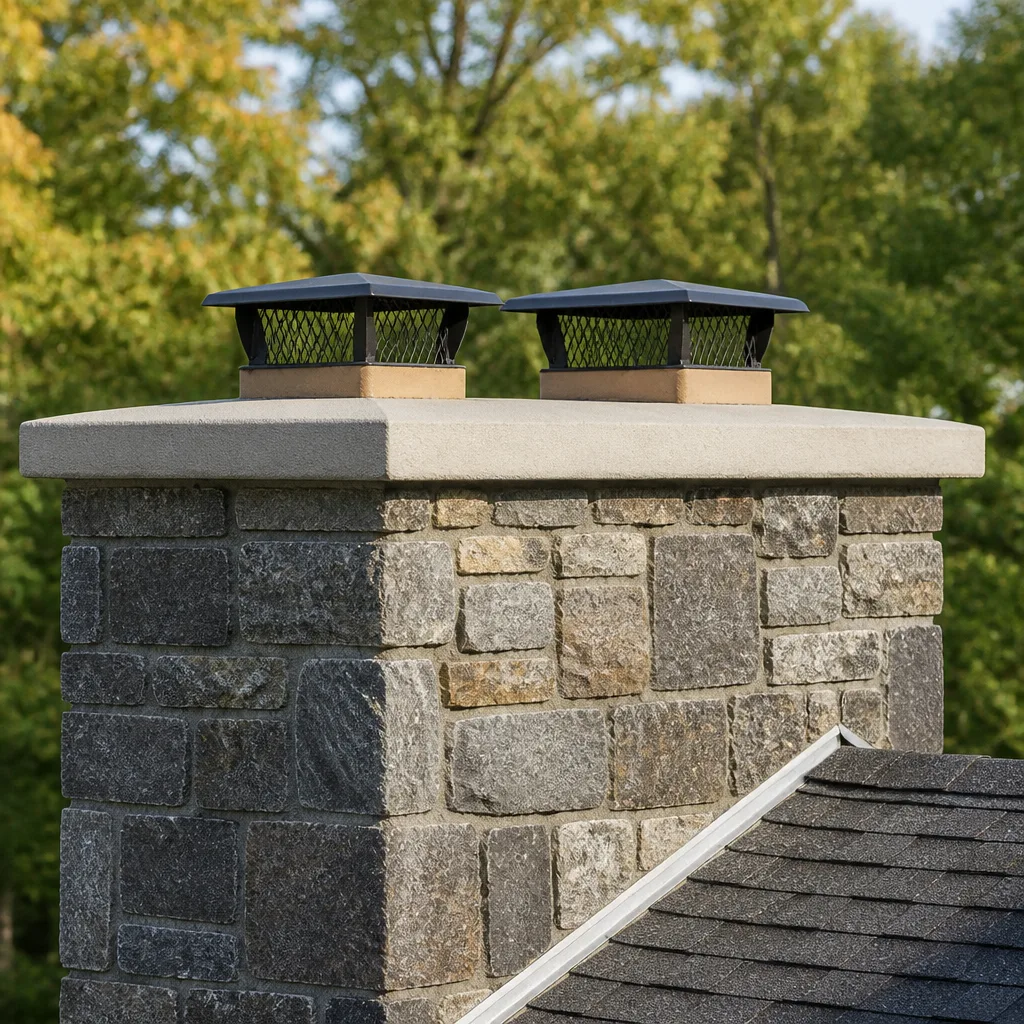 Caps & crowns
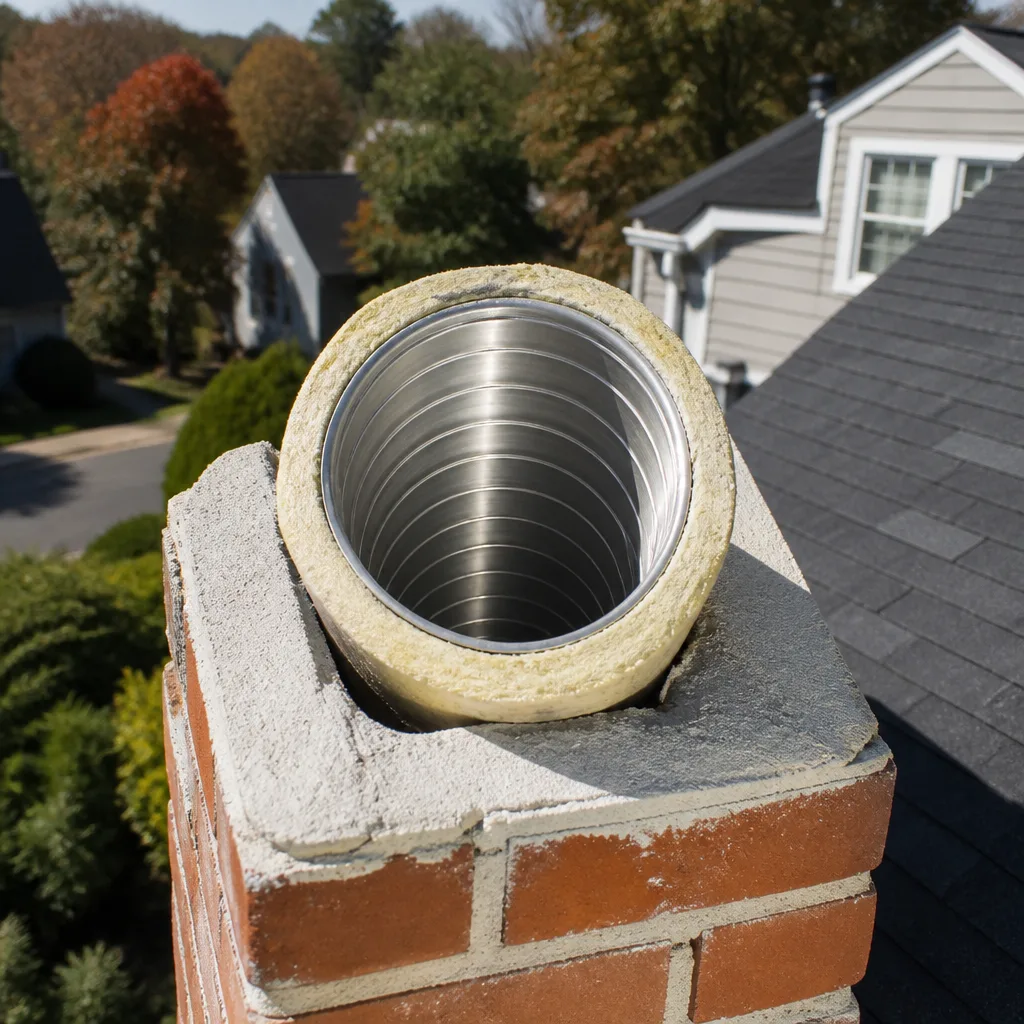 Flue relining
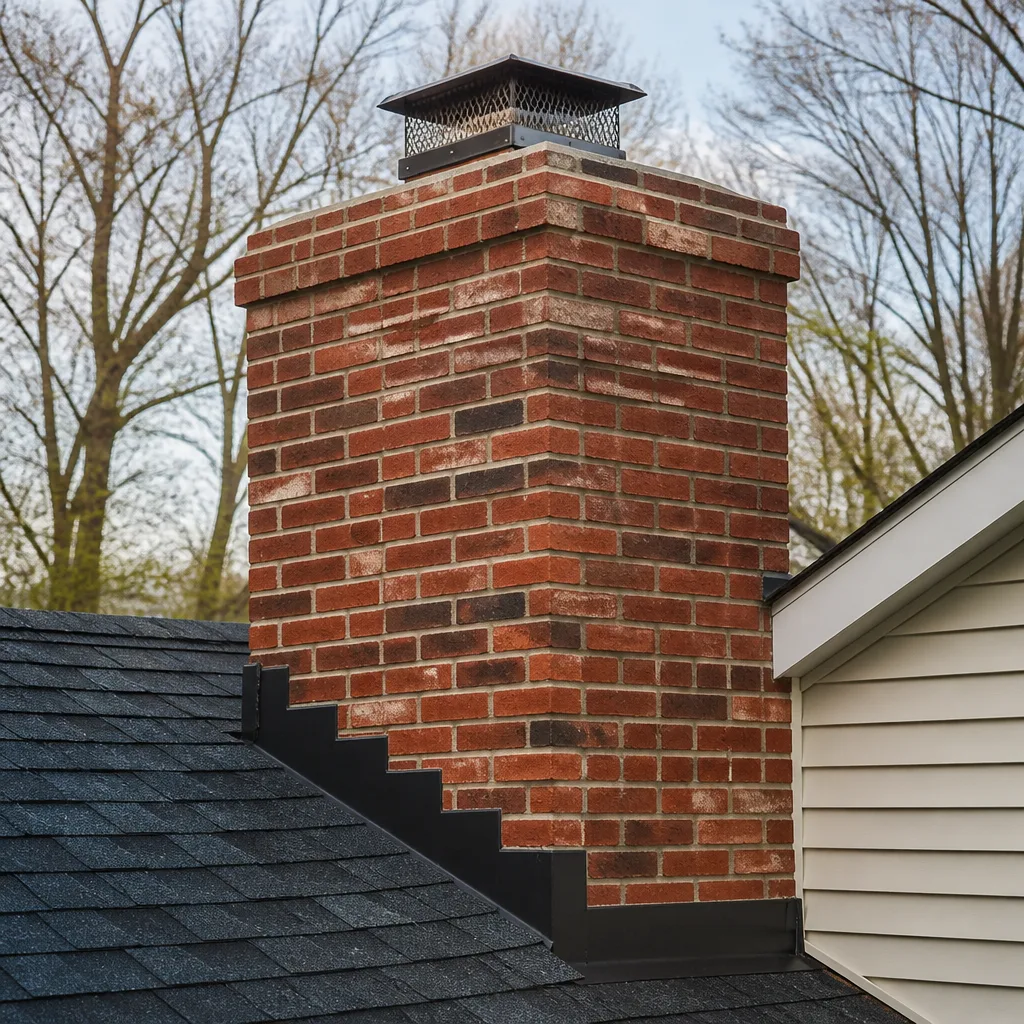 Masonry repair
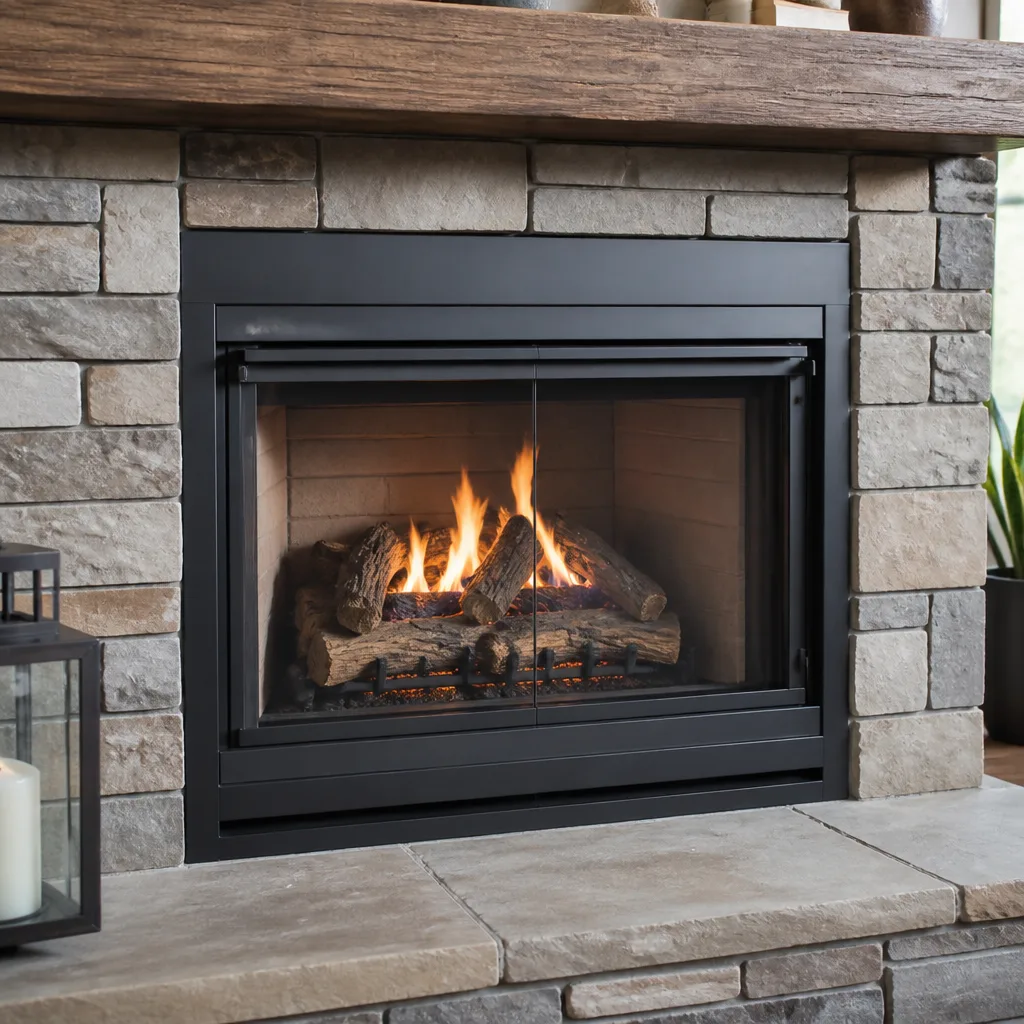 Gas fireplace service
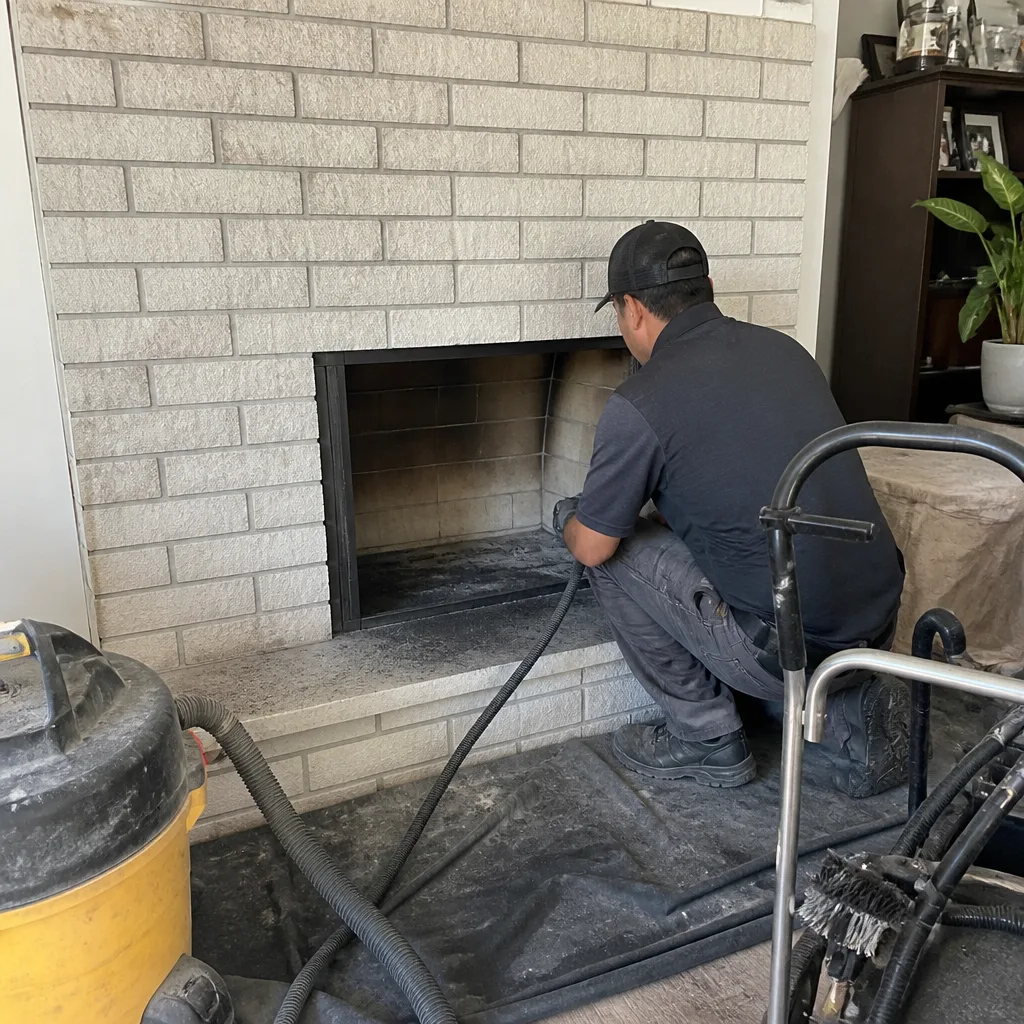
Level 1 sweep and inspection to the NFPA 211 annual standard - flue, crown, cap, and flashing checked and photographed
Chimney sweep logs do not sweep chimneys. They loosen some creosote - which then falls where a brush and vacuum still have to collect it.
Chimney Sweep Maintenance Checklist for Long Beach Homeowners
Here’s a fact most chimney maintenance guides won’t tell you: in coastal Southern California, the biggest threat to your chimney isn’t creosote buildup from heavy burning. It’s deterioration from disuse, salt air, and the assumption that a rarely used fireplace needs no attention. This guide gives Long Beach homeowners a task-by-task checklist they can use before and after a professional visit, so you know exactly what was checked, what was found, and whether the job matches the invoice. For The Complete Guide to Chimney Cleaning in Long Beach with deeper detail, see our companion resource. We’ll cover exterior inspections you can do from the ground, interior checks that change the scope of a cleaning, what a legitimate sweep should hand you at completion, and the red flags that mean you need a repair contractor, not just a brush and vacuum.
Quick Answer
A chimney maintenance checklist for Long Beach homeowners should cover three zones: exterior masonry and cap condition, interior flue and damper function, and the documentation a professional sweep provides after the job. For a fireplace used fewer than 15 times per year in Long Beach’s coastal climate, a professional sweep every 2-3 years is usually sufficient, with a visual exterior check every fall before the rainy season. If your chimney shows crown cracks, missing cap mesh, or damper resistance, schedule an inspection before you burn anything.
Styles & brands we work with
Table of Contents
- Exterior Checks You Can Do From the Ground
- Interior Checks Before Calling a Sweep
- What a Professional Sweep Should Hand You at Completion
- How Often Should a Long Beach Chimney Be Swept?
- Red Flags That Require a Repair Contractor, Not Just a Sweep
- What Chimney Maintenance Costs in Long Beach
- Long Beach’s Real Chimney Enemy: Moisture, Not Creosote
- The Complete Annual Maintenance Checklist
Exterior Checks You Can Do From the Ground
Before you spend money on a chimney sweep, spend 15 minutes outside with a pair of binoculars. Most exterior chimney problems are visible from the ground if you know what you’re looking at. In Long Beach, where marine layer moisture and salt air work on masonry year-round, these checks matter more than they do inland.
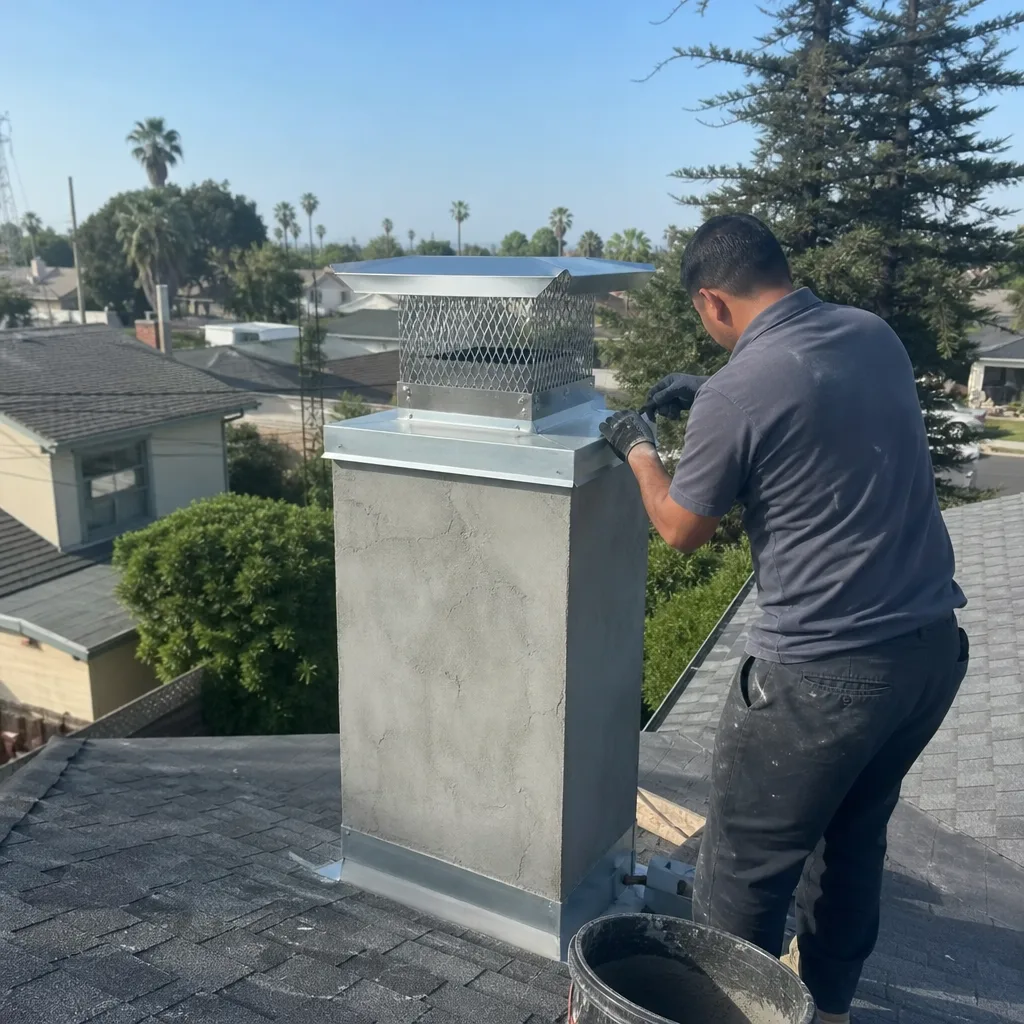
Start with the chimney crown, which is the concrete or mortar cap at the very top of the chimney that sheds water away from the flue. What you’re looking for: hairline cracks, spalling (flaking or chipping concrete), or sections that look darker than the rest, which usually means water is soaking in. A crown with visible cracks lets rainwater into the chimney structure. In Long Beach’s wet winters, that water expands and contracts through dozens of damp-dry cycles between November and March, and the cracks widen every year.
Next, check the flashing, the metal strips where the chimney meets the roofline. If the flashing has pulled away from the brick or shows rust staining, water is getting underneath it. This is one of the most common problems we see in Naples and Belmont Shore, where older homes often have original flashing that’s been painted over multiple times. Paint hides rust until the flashing fails completely.
Finally, examine the chimney cap and spark arrestor. The cap keeps rain, birds, and debris out of the flue. The mesh around it should be intact, with no gaps larger than a quarter. Missing mesh means birds can enter, and in Long Beach, pigeon nests in chimneys are a regular issue, especially in the older neighborhoods around Alamitos Beach and Rose Park. If the cap is rusted through or the mesh is torn, that’s a $200-$400 replacement, far cheaper than removing a bird nest and dealing with the mites and droppings that come with it.
What damage looks like in plain terms: crown cracks look like lines in dried mud. Flashing gaps look like a sliver of daylight or visible caulk peeling between metal and brick. Cap damage looks like rust blooms, bent mesh, or a cap that sits crooked. If you see any of these, take a photo with your phone and send it to whoever you call for service. A good company will want to see it before they arrive.
Interior Checks Before Calling a Sweep
Before you pick up the phone, do a few interior checks. These take five minutes and they change what a sweep will need to do, which means they change your price.
- Test the damper. Open and close it fully. It should move smoothly through its full range without grinding or sticking. If it won’t fully open, you can’t safely use the fireplace. If it won’t fully close, you’re losing conditioned air up the flue every day, which shows up on your Long Beach summer electric bill. Damper repair or replacement typically runs $150-$400 depending on the type and access.
- Look up the flue with a flashlight. Tilt the damper open and shine a bright light upward. You’re checking for three things: visible blockage, heavy creosote accumulation (looks like shiny black tar or flaky black scales), and any visible cracks or gaps in the flue liner. If you can’t see past the first few feet because it’s too dark or too dirty, that’s exactly what a camera inspection is for.
- Check the smoke shelf. This is the flat area just above the damper where the firebox narrows into the flue. Reach up carefully with a gloved hand and feel for debris. In Long Beach homes that haven’t been swept in years, we regularly pull out nests, dead birds, and an inch of fine soot from smoke shelves. Wearing a dust mask for this is a good idea.
- Inspect the firebox walls. Look for cracked firebrick, gaps in mortar joints wider than a coin, or white powdery residue on the brick surface. That white residue is efflorescence, a sign of water intrusion through the masonry. Cracked firebrick is not a cleaning issue; it’s a repair call.
These interior checks matter because they determine the scope of a professional visit. A straightforward sweep with no issues runs around $200-$350 in Long Beach. If you’ve found blockage, a stuck damper, or water damage during your own inspection, you already know the job is bigger than a basic cleaning, and you should expect the company you call to confirm that with a camera before any work begins.
We’ve written before about what a Chimney Inspection in Long Beach involves, and the short version is: a camera goes up the flue, you see the footage, and you get a written report. A sweep is not a substitute for an inspection when you suspect liner damage or water intrusion.
What a Professional Sweep Should Hand You at Completion
If you can’t verify the work, you can’t confirm it was done. That’s not cynicism; it’s basic consumer protection. Here’s what a legitimate chimney sweep in Long Beach should provide at the end of the job, in writing.
- A written summary of what was done. Not a receipt. A service report that says what was cleaned, what was found, and what was left alone. This should include flue dimensions if they were measured, creosote level before and after, and any issues noted.
- Before and after photos. Any company with a camera inspection system has no reason not to hand you photos. You should see the flue before cleaning and after cleaning. If a company won’t show you photos, that’s a sign to call someone else.
- The written guarantee, if repairs were done. At Flint Chimney Co Long Beach, every repair carries what we call the 365-Day Done Right Promise. It’s a written guarantee valid for a full year from the service date. If a covered repair fails within that year, we return and fix it at no charge. No argument, no re-quote, no fee. Any chimney company can say they stand behind their work; the question is whether they’ll put it in writing before you pay. The Garrison Standard, which is the operating code our company follows as part of the Garrison Partners family, requires us to put every price and every guarantee in writing before a tool comes off the truck.
- A clear answer on what can wait. A disciplined sweep tells you when nothing urgent was found. If your flue is clean and your liner is intact, the honest answer is: burn safely, see you in two or three years. We don’t create problems to sell repairs, and the moment a company starts telling you that you “need” a new liner without showing you camera footage of the crack, get a second opinion. Nothing gets recommended at Flint Chimney Co Long Beach without camera evidence you can see with your own eyes.
How Often Should a Long Beach Chimney Be Swept?
The national recommendation from the Chimney Safety Institute of America is an annual sweep. But that recommendation was built around cold-climate homes that burn wood for 50 to 100 days a year. Long Beach is different, and pretending otherwise is how homeowners end up paying for cleanings they don’t need.
Here’s the honest math. Creosote buildup is a function of burn frequency and wood type, not calendar years. A Long Beach fireplace used for ambiance on 10 to 15 evenings per year, burning dry seasoned wood, accumulates creosote slowly. In our experience across Long Beach, from Bixby Knolls to Los Altos to the Park Estates, a fireplace at that usage level usually needs a sweep every 2 to 3 years, not every year.
What changes that schedule:
- Frequent burning (50+ fires per year): sweep annually.
- Burning unseasoned or soft wood: sweep annually. Wet wood produces more creosote per fire.
- Gas fireplaces with vented logs: sweep every 3-5 years, but inspect annually for vent blockage.
- Wood stoves or inserts: sweep annually regardless of climate. Stoves burn hotter and build creosote faster.
- Any sign of water intrusion or animal activity: inspect immediately, regardless of the last sweep date.
The exterior visual check should still happen every fall, before the late-fall and winter rains. Coastal humidity and marine layer salt don’t take years off, and crown cracks that are cheap to seal widen into expensive repairs when ignored. You can do that exterior check yourself using the list in the first section of this guide.
Red Flags That Require a Repair Contractor, Not Just a Sweep
A chimney sweep’s job is to clean. A chimney repair contractor’s job is to fix structural and liner problems. Knowing which one you need prevents two bad outcomes: paying a sweep to clean a chimney that’s unsafe to use, or calling a repair contractor for what’s actually a routine cleaning.
Here are the conditions that put you in repair territory:
- Liner cracks or gaps visible in camera footage. The flue liner is the inner channel that carries smoke and combustion gases out of your home safely. A cracked liner can allow heat and gases to reach combustible materials around the chimney. This is a repair job, period. Flue relining (replacing the inner liner) typically runs $2,500-$6,000 in Long Beach depending on flue size and access. We use DuraFlex and Famco liners because they’re specified by the job’s dimensions and heating appliance, not by our profit margin.
- Firebox spalling. Spalling is when the firebrick inside your firebox flakes, crumbles, or loses its surface layer. Loose brick fragments can fall into the fire. This is a structural repair, not a cleaning issue, and using the fireplace with a spalling firebox is a burn hazard.
- Efflorescence on exterior masonry. That white chalky powder on your chimney’s exterior bricks is a water intrusion signal. It means moisture is moving through the masonry and carrying mineral salts to the surface. If you see it, check your crown, flashing, and cap. One of those three is usually the source.
- Damper that won’t fully open or close. A stuck-open damper pulls conditioned air out of your house year-round. A stuck-closed damper means you can’t use the fireplace. Both are repairs, not cleaning issues.
- Visible smoke stains on the exterior wall or ceiling around the fireplace. This indicates a draft or liner issue. Don’t burn again until a camera inspection identifies the cause.
These red flags are why camera inspections matter. A sweep with a brush can’t see inside a flue liner. A Chimney Repair in Long Beach call starts with the same camera inspection, but goes further: the technician measures the flue, identifies the failure point, and writes a repair scope with a fixed price before any work is approved. No camera, no repair recommendation. That’s the rule.
What Chimney Maintenance Costs in Long Beach
You should never have to call a company just to learn the ballpark price. Here are realistic ranges for Long Beach chimney work, current as of 2026.
- Standard chimney sweep: $200-$350, depending on flue height, access, and how long it’s been since the last cleaning. A heavily creosoted flue or an animal nest adds labor and disposal time.
- Chimney cap replacement (standard galvanized or stainless): $200-$400 installed, including the cap itself. Stainless caps run at the higher end of that range and last longer in coastal air.
- Crown repair or re-seal: $400-$900, depending on crown size and the extent of cracking. A complete crown rebuild runs higher.
- Damper repair or replacement: $150-$400 for a repair; $300-$600 for a full replacement depending on the damper type and whether the old one needs cutting out.
- Flue relining: $2,500-$6,000, depending on flue dimensions, accessibility from the roof or firebox, and the liner material specified for your appliance. This is the most expensive common repair, and it’s also the one where camera evidence is essential before you sign anything.
- Full inspection with camera: $150-$300 when done as a standalone service. Many Long Beach companies, including ours, discount or waive the inspection fee when you book a sweep at the same visit.
Every Chimney Sweep in Long Beach we perform starts with a written price before work begins. That’s not a courtesy; it’s how we operate under The Garrison Code. The number you approve is the number on your invoice. If we find something during the sweep that changes the scope, we stop, show you the evidence, and get a new written approval before continuing. No surprise line items.
For an exact quote on your chimney, call (562) 317-7262. Estimates are free, and you’ll speak to a live person, not a voicemail tree.
Long Beach’s Real Chimney Enemy: Moisture, Not Creosote
National chimney content talks endlessly about creosote, and for good reason in cold climates. But Long Beach homeowners face a different primary threat: water. Between the marine layer, the salt in the air, and the November-through-March rain cycle, moisture works on chimney masonry 12 months a year here.
Salt air is a force multiplier for minor masonry damage. When salt crystals land on brick and concrete, they absorb moisture from the air and hold it against the surface. That trapped moisture penetrates micro-cracks in the crown and mortar, and every temperature swing between day and night expands and contracts it slightly. Over years, hairline cracks become gaps, and gaps become structural problems.
Homes within a mile or two of the coast, from Belmont Shore up through Bluff Park, get this effect more heavily than inland neighborhoods like Lakewood Village or El Dorado Park. If you live close to the ocean, your exterior check should be more thorough and more frequent. Every fall is the minimum.
The countermeasure is exactly what the checklist at the top of this guide covers: watch the crown, watch the flashing, watch the cap. Water enters through those three entry points in almost every Long Beach chimney we repair. If you catch a crown crack early and seal it, you’re spending $400 instead of $4,000. If you wait until spalling shows up or a liner crack is visible on camera, the repair gets structural and the price triples or more.
The Complete Annual Maintenance Checklist
Here’s the full checklist in one place. Print it, save it, work through it every fall before the rainy season.
Exterior (Do This Yourself, From the Ground)
- Inspect the crown for cracks, spalling, or dark water-soaked patches.
- Check flashing for gaps, rust staining, or peeling sealant where chimney meets roof.
- Examine the cap and spark arrestor mesh for rust, tears, or missing sections.
- Look for efflorescence (white powdery residue) on exterior brick.
- Photograph anything that looks off and send it to your chimney company before booking.
Interior (Do This Yourself, Before Calling a Sweep)
- Open and close the damper fully. Note any sticking, grinding, or failure to close.
- Shine a flashlight up the flue. Look for blockage, heavy creosote, or visible liner damage.
- Check the smoke shelf for debris. Wearing gloves and a mask, feel for nests or heavy soot.
- Inspect firebox walls for cracked firebrick or wide mortar gaps.
- Note any white residue inside the firebox, which signals water intrusion.
Professional Service (What to Expect)
- Technician arrives inside the scheduled window, in uniform, with ID.
- Written price confirmed before any work begins.
- Sweep and/or camera inspection completed.
- Before and after photos provided.
- Written service summary listing what was done and what was found.
- Written guarantee on any repairs, valid for one full year from the service date.
- Clear statement of what can safely wait until a future visit.
If your fireplace is gas-only, the exterior checks still apply. Gas chimneys may not accumulate creosote, but they still have crowns, flashing, caps, and liners, and all of them fail the same way in coastal air.
Common Mistakes to Avoid
- Skipping the exterior check because the fireplace was “barely used.” In Long Beach, disuse doesn’t mean decay-free. Crown cracks and flashing gaps widen whether you burn or not, and moisture damage accrues year-round.
- Assuming a gas fireplace needs zero maintenance. Gas logs still need vent inspection and cap checks, especially in coastal neighborhoods where salt air corrodes metal components faster.
- Hiring a sweep without asking what documentation you’ll receive. If the company can’t tell you upfront that you’ll get a written summary and photos, you’re gambling on a no-show with a vacuum.
- Approving a liner replacement without seeing camera footage. A cracked liner is a real problem, but it’s also the most common upsell in this industry. You should see the crack with your own eyes before spending $3,000. At Flint Chimney Co Long Beach, no repair is ever recommended without camera evidence you’ve reviewed.
- Ignoring a stuck-open damper. A damper that won’t close is a hole in your house’s envelope. In Long Beach summers, that’s dollars leaving through the roof every day your AC runs.
- Using the fireplace despite visible smoke staining or a known damper problem. Smoke where it shouldn’t be means a venting or liner failure. The right move is an inspection, not another fire.
- Assuming a low price quote means a thorough job. A sweep that takes 30 minutes and costs $99 is almost always a brush-up-and-leave. A legitimate sweep of a residential chimney takes 1-2 hours and includes setup, cleaning, inspection, and documentation. Cheap sweeps skip the documentation, which is precisely the part that protects you.
See the difference
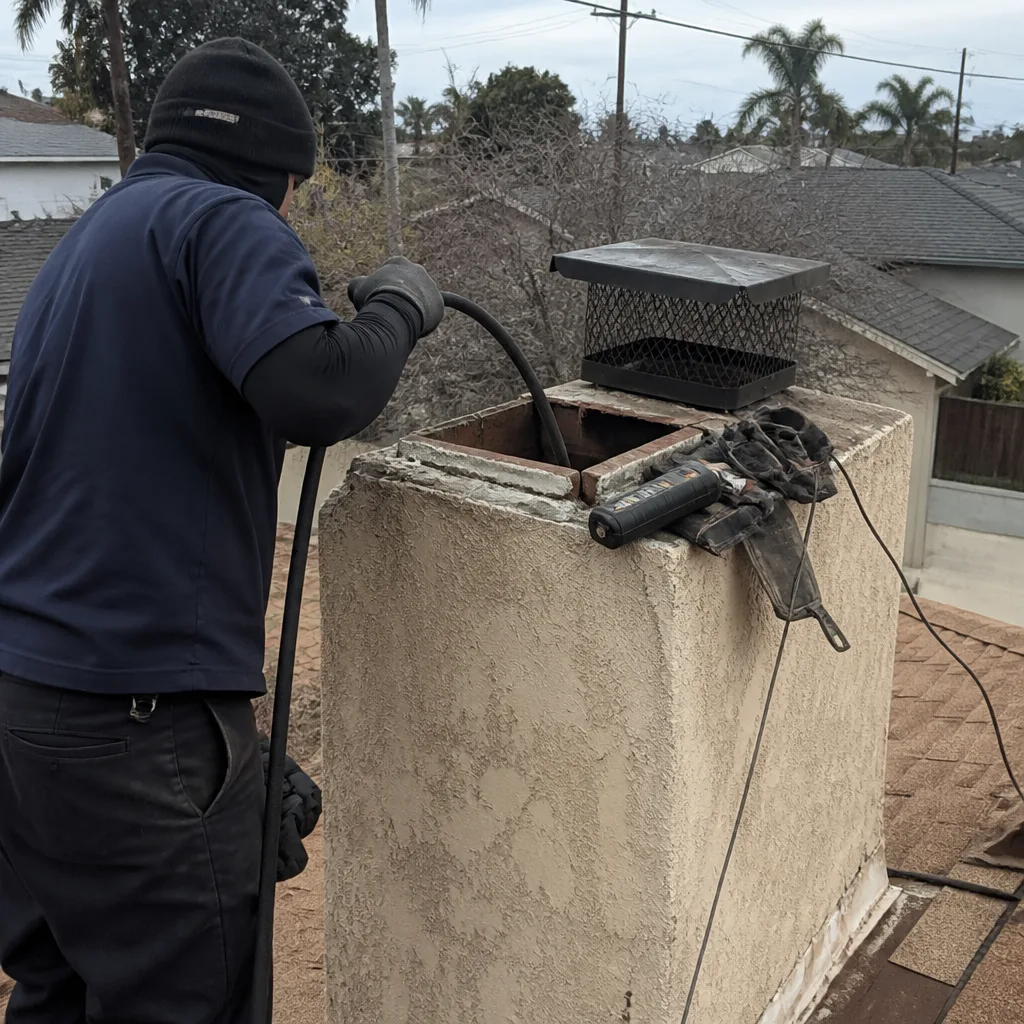 Before
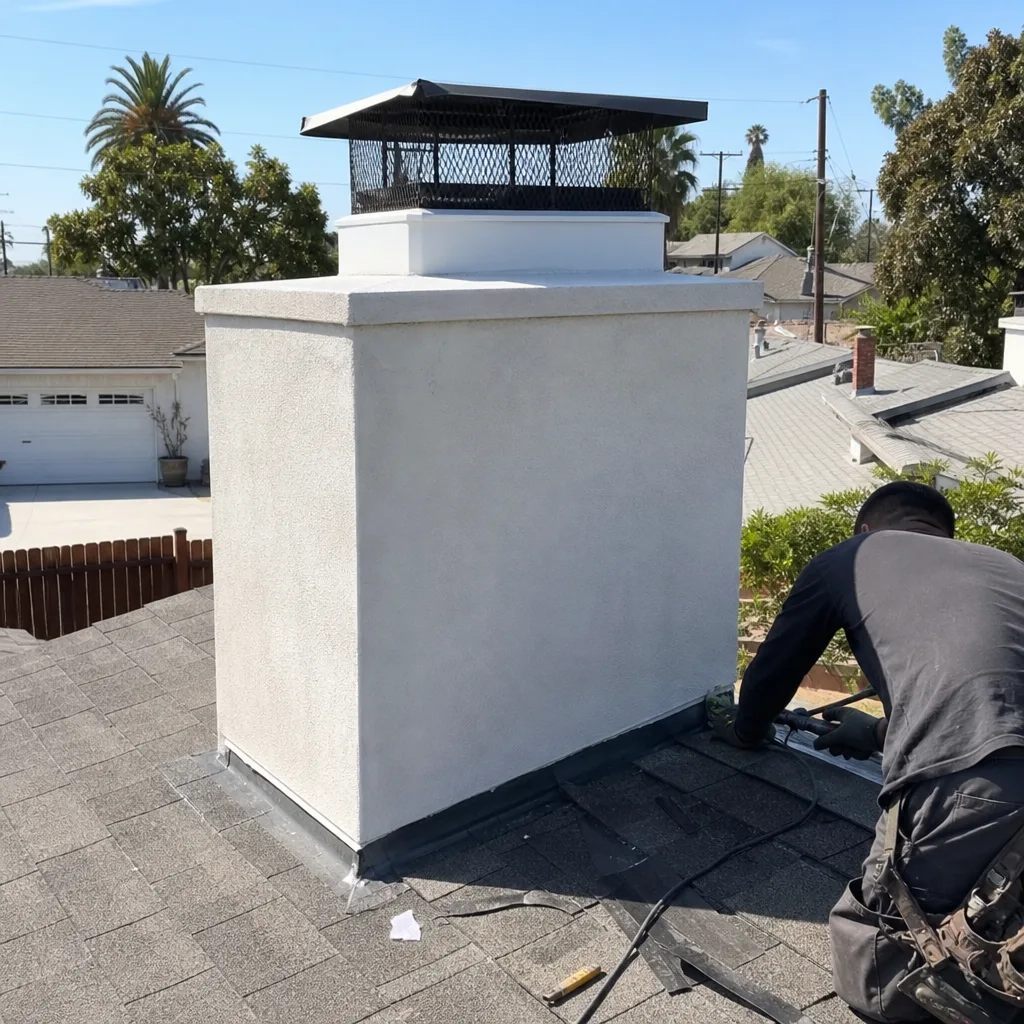 After
After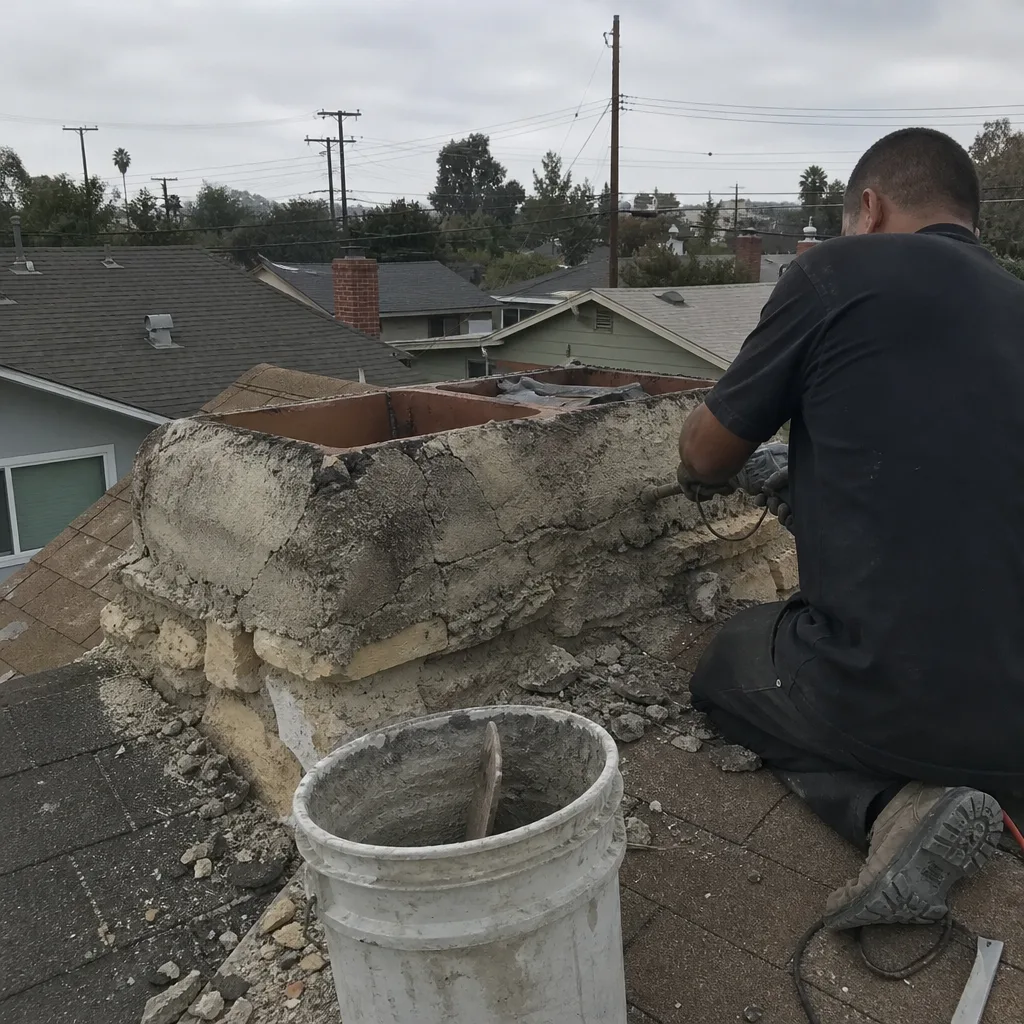 Before
 After
After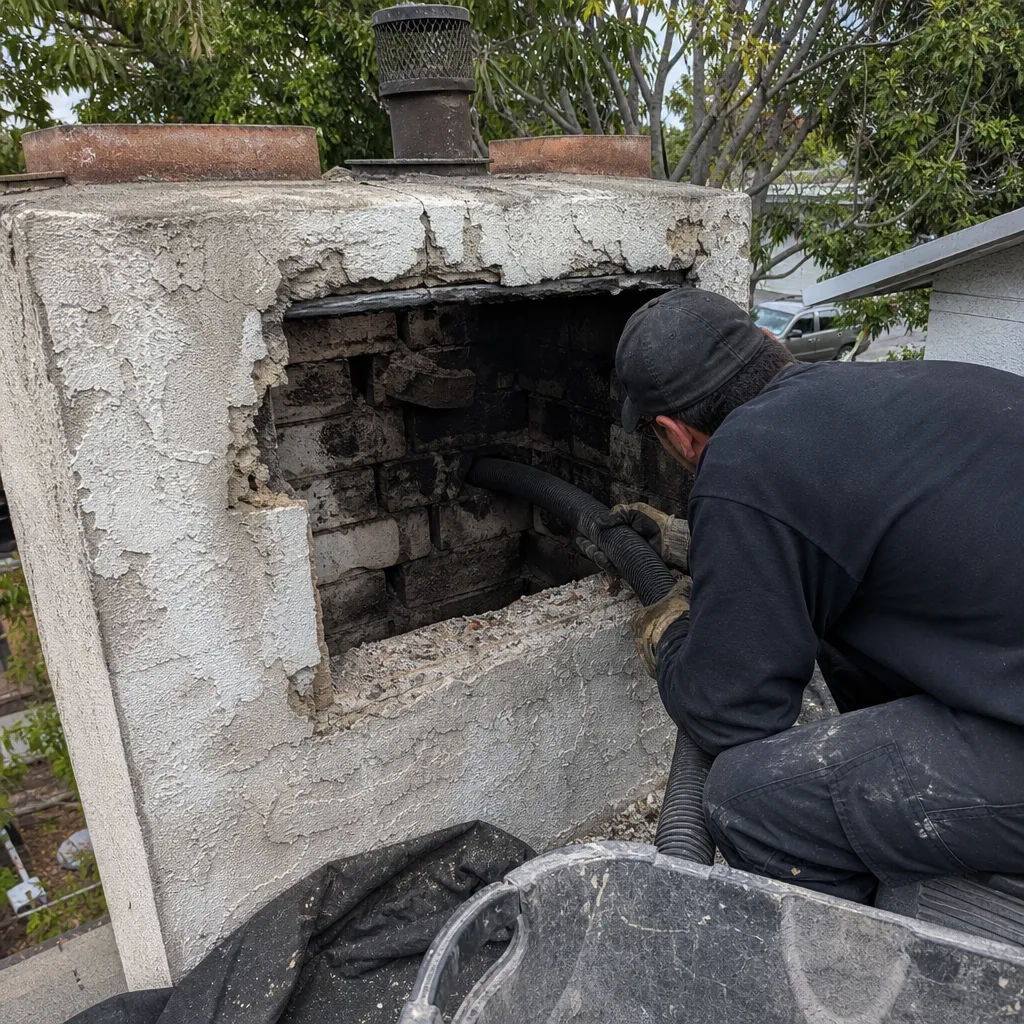 Before
 After
AfterWhen to Call a Professional
Call a chimney professional when you find any of the following during your own checks: visible crown cracks, flashing gaps, rusted or damaged caps, a damper that won’t move properly, debris in the smoke shelf, efflorescence on the exterior, or a fireplace that’s been used heavily without a cleaning in three years or more. Call immediately, before your next fire, if you see smoke staining around the fireplace, smell smoke in the house when the flue is open, or know that an animal has entered the chimney. These are not cleaning issues; they’re safety inspections, and they need a camera, not just a brush.
Flint Chimney Co Long Beach offers free estimates in Long Beach. Call (562) 317-7262 and you’ll speak to a live person, 24 hours a day, 7 days a week. We’ll schedule a visit, confirm the price in writing before any work starts, and stand behind every repair with the 365-Day Done Right Promise, a written guarantee valid for one full year.
Frequently Asked Questions
A standard chimney sweep in Long Beach typically runs $200-$350 depending on flue height, access, and how dirty the chimney is. The final price is affected by how long it’s been since the last cleaning and whether there’s blockage like a nest or heavy creosote. For an exact quote on your home, call (562) 317-7262; estimates are free.
Only if camera footage shows a crack, gap, or material failure that the sweep can show you in person. A flue liner protects your home’s structure from the heat and gases moving through the chimney, so a compromised liner is a real safety issue, but it’s also the most frequently unnecessary upsell in this industry. Never approve a relining without seeing the damage yourself. At Flint Chimney Co Long Beach, no liner recommendation is made without camera evidence you review directly.
For a wood-burning fireplace used 10-15 times per year in Long Beach, a professional sweep every 2-3 years is usually adequate. You should still perform a visual exterior check every fall, because coastal moisture and salt air cause damage independent of how often you burn. Heavy usage, unseasoned wood, or wood stoves shorten the interval to annual.
Skipping maintenance in Long Beach usually means water damage before creosote problems. Crown cracks and flashing gaps let moisture into the masonry, which expands and contracts through damp-dry cycles and eventually causes spalling, liner deterioration, and structural repair costs in the thousands. A neglected wood-burning chimney can also accumulate creosote to levels that become a chimney fire risk when you do burn. The prevention is a visual check every fall and a professional sweep on a schedule that matches your usage.
A homeowner can perform the exterior visual checks and interior pre-sweep checks described in this guide, but the cleaning itself involves fiberglass rods, wire brushes, and a full dust containment setup that most homeowners don’t own and shouldn’t improvise. See DIY vs Professional Chimney Cleaning: The Long Beach Homeowner’s Decision Guide for a full breakdown of what you can handle and what you shouldn’t. The more important reason to hire a professional is documentation: a proper sweep includes a camera inspection and a written report, which protects you when it’s time to sell the house or file an insurance claim. The professional visit is what creates the record.
No. A sweep removes creosote and debris from the flue and smoke chamber. An inspection evaluates the condition of the liner, masonry, damper, cap, and flashing, typically using a camera, and produces a written report of findings. Many companies do both at the same visit, which is efficient and usually cheaper than booking them separately. If you suspect damage, ask specifically for a camera inspection before any cleaning happens.
The Bottom Line
A Long Beach chimney in decent shape needs one thing every year: a visual exterior check before the rains, done from the ground with binoculars and a phone camera. Beyond that, sweeping frequency should follow your actual usage, not a national one-size-fits-all recommendation. If the exterior check turns up cracks, gaps, or rust, get a professional inspection. If you use the fireplace regularly and haven’t had a sweep in three years, book one. And when the professional arrives, hold them to the standard this guide describes: written price first, camera evidence for any repair recommendation, photos and a written summary at the end, and a guarantee in writing. For more guides & resources on protecting your home, explore our blog. If a chimney company won’t meet those terms, call one that will.
Flint Chimney Co Long Beach home is our hub for all chimney services in the area, and we’ve written this guide to give Long Beach homeowners the verification checklist they need before and after any professional visit.
Written by Hank Delano, Owner at Flint Chimney Co Long Beach, serving Long Beach since 2002.