
Last updated October 15, 2026
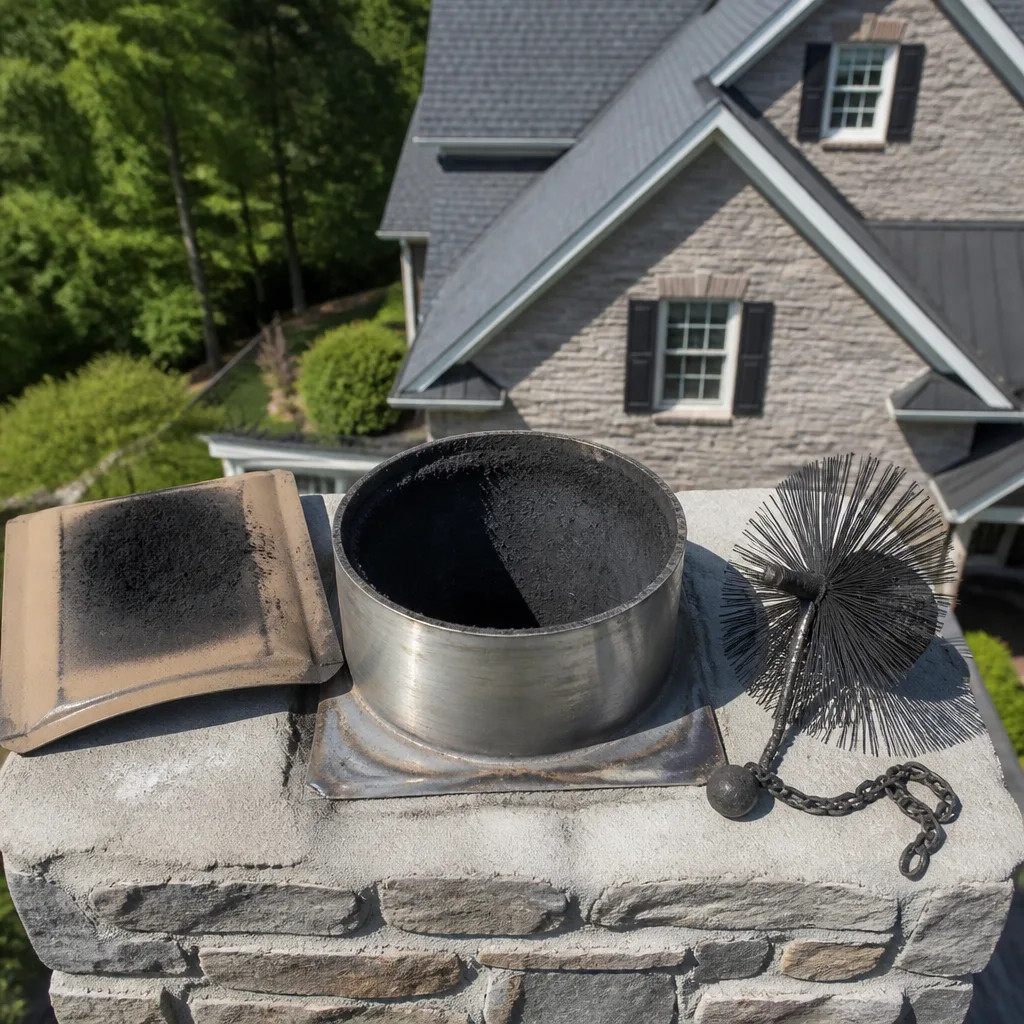 Sweep & inspection
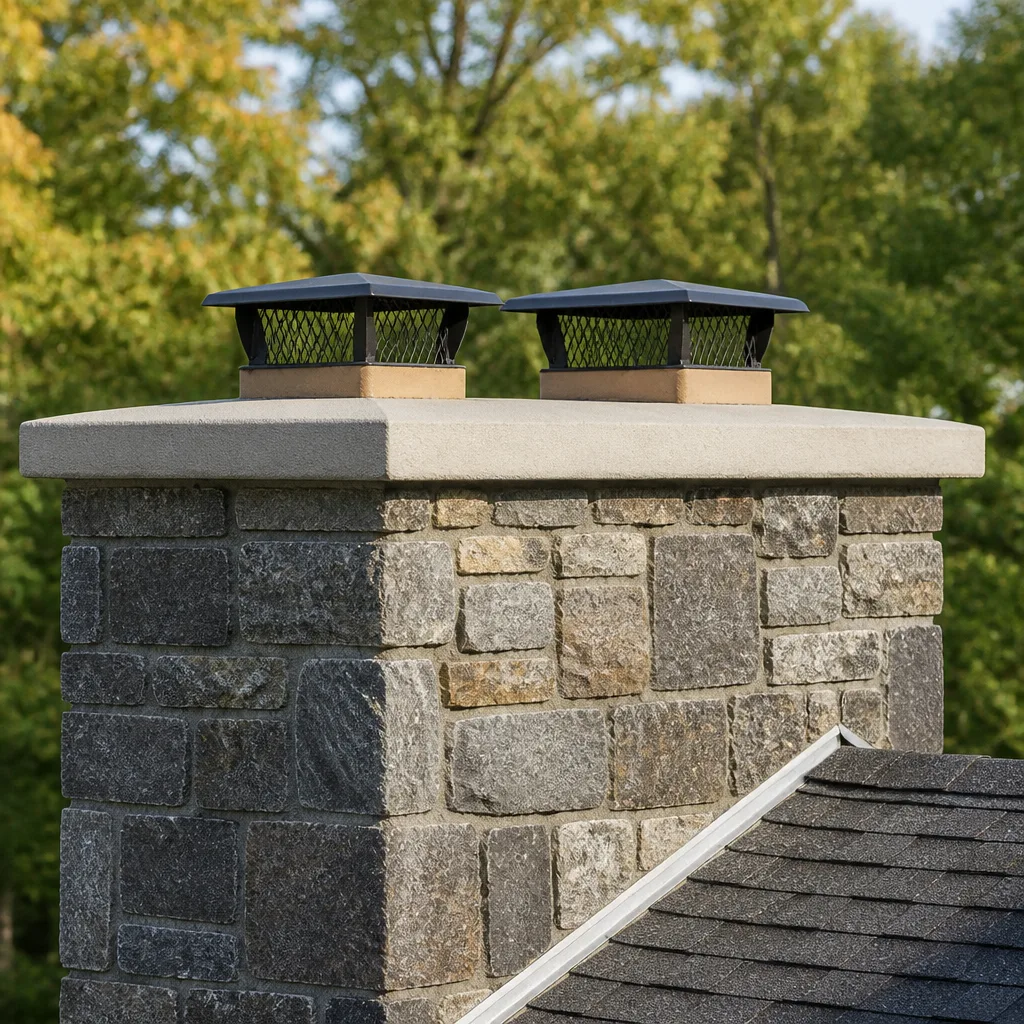 Caps & crowns
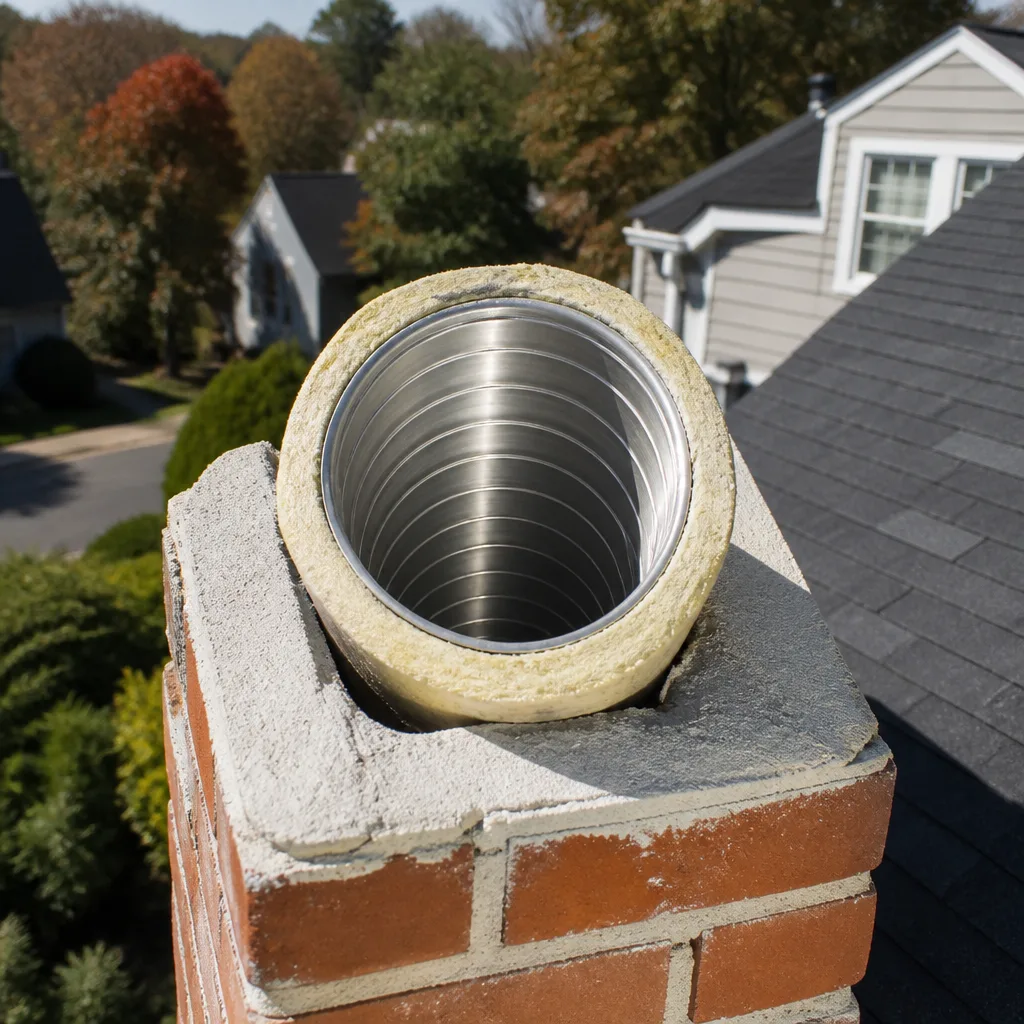 Flue relining
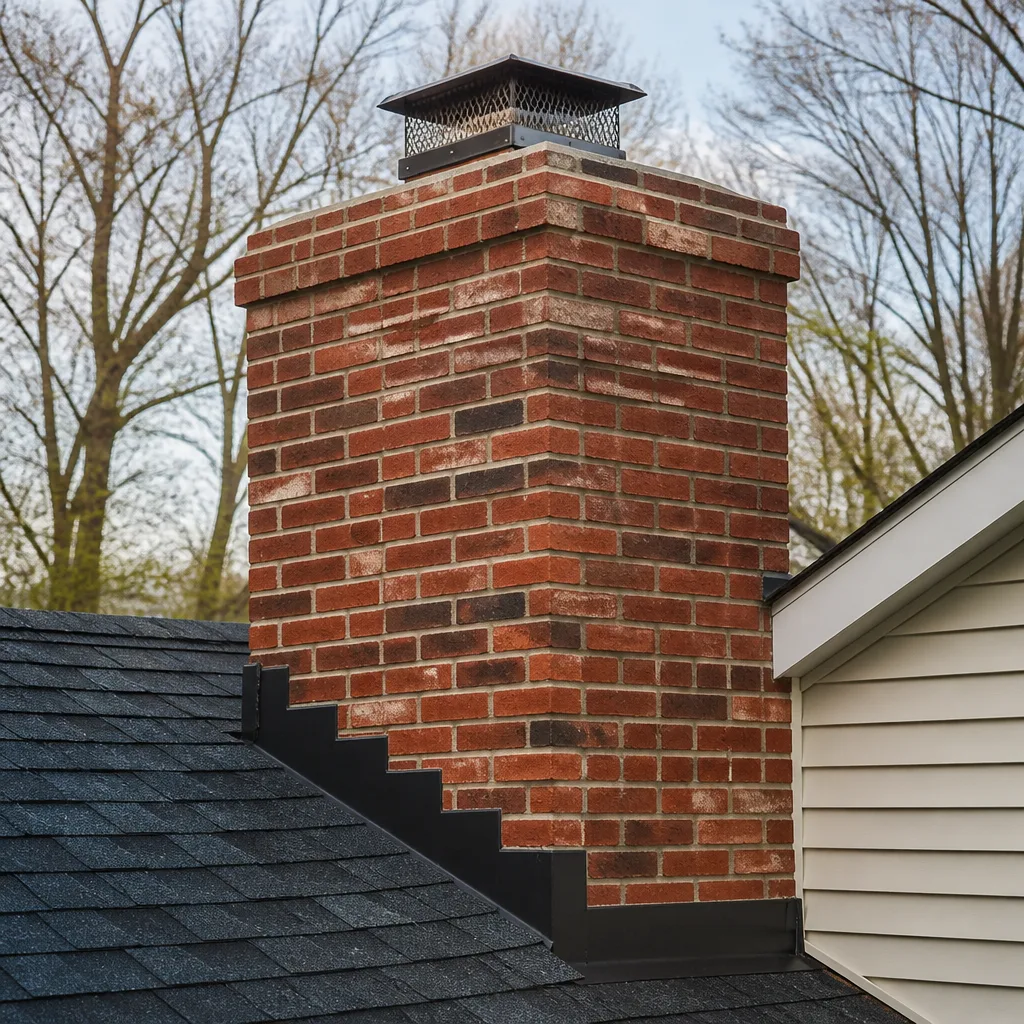 Masonry repair
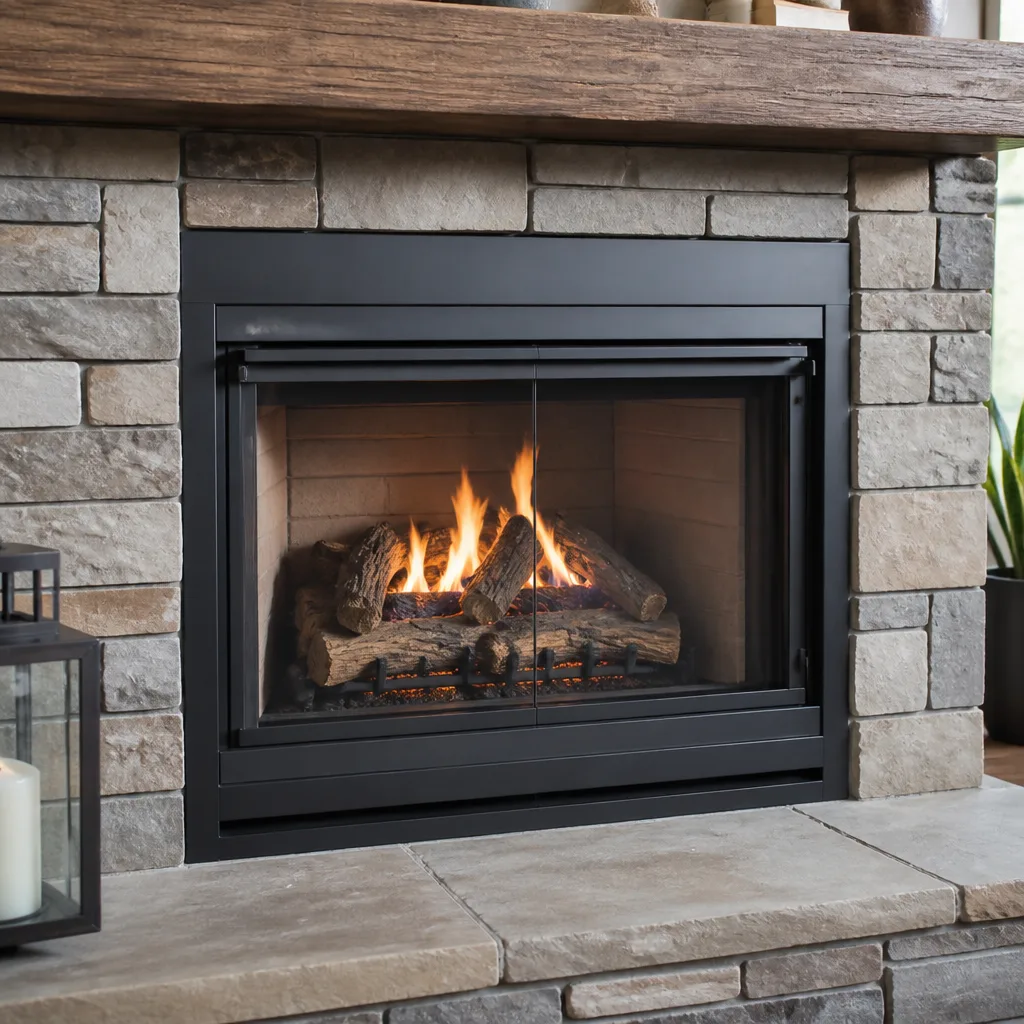 Gas fireplace service
Level 1 sweep and inspection to the NFPA 211 annual standard - flue, crown, cap, and flashing checked and photographed
Chimney sweep logs do not sweep chimneys. They loosen some creosote - which then falls where a brush and vacuum still have to collect it.
Chimney Cleaning Permits, Codes & Inspections in CA: What You Need to Know
A chimney relining job sold to a Long Beach homeowner as a same-day add-on is a structural alteration under California Building Code. It requires a permit. If it doesn’t have one, it becomes your problem when you sell the house. In this guide we draw the line between routine maintenance, which never needs a permit, and the repair work that does. We’ll also cover the inspection standards that govern both, how to verify a permit was actually pulled, and what unpermitted work means at resale. Most of what you’ll read here applies statewide, but we write it from the ground in Long Beach, where our market has its own quirks.
Styles & brands we work with
Quick Answer
Routine chimney sweeping and Level 1 inspections do not require a permit anywhere in California. A permit is triggered by structural or system alterations: full flue relining, firebox rebuilds, chase replacement, or any change to the venting system’s size or configuration. Minor repointing of a few bricks and standard cleaning fall on the maintenance side of the line. If a sweep finds damage and recommends a liner, that liner job needs a permit before work starts, and you can verify it through the Long Beach Development Services portal.
Table of Contents
- The Line Between Cleaning and Permitted Work
- California Building Code Section 2111: What It Actually Governs
- Which Repairs Always Require Long Beach Permits
- NFPA 211 and How It Interacts With California Code
- How to Verify a Contractor Pulled a Permit: LBBDS Portal Step by Step
- Unpermitted Chimney Work at Resale: Disclosure Obligations in California
- Common Mistakes to Avoid
- When to Call a Professional
- Frequently Asked Questions
- The Bottom Line
The Line Between Cleaning and Permitted Work
A chimney sweep is maintenance. You’re removing creosote and soot buildup from the flue interior so the system drafts properly and doesn’t catch fire. No structural component changes. No materials are added. No venting configuration is altered. The California Residential Code treats this the same way it treats changing an HVAC filter: routine upkeep, no permit, no inspection, no filing.
What confuses homeowners is that sweeps rarely end at sweeping. A good sweep includes a visual inspection, and a good inspector finds things. Cracked flue tiles. Spalling brick. A deteriorating mortar crown. When the conversation shifts from “your chimney is dirty” to “your chimney needs a new liner,” the legal category of the work shifts with it. That’s the line: the moment a repair involves replacing, rebuilding, or altering a structural or venting component, California code and Long Beach municipal code both treat it as a permitted alteration.
Here’s the practical breakdown:
- No permit required: chimney sweeping, creosote removal, standard Level 1 inspection, minor repointing of loose mortar joints under 10% of the total joint area, replacing a cap or damper, sealing minor crown cracks.
- Permit required: full flue relining, partial relining that changes the flue diameter, firebox rebuild, smoke chamber parging when materials are applied beyond cosmetic surface repair, chase rebuild or replacement, changing fuel type (wood to gas or vice versa), any modification to flue height or termination.
We see the same scenario repeatedly in Long Beach’s older housing stock, particularly in neighborhoods like Belmont Heights, Bluff Park, and the Craftsman-heavy districts east of Cherry Avenue. Homes built between 1910 and 1950 carry original masonry chimneys. Most have never been relined. When a sweep finds cracked tiles and quotes a liner, the homeowner is now holding a permit-triggering repair, whether the contractor says so or not. The phrase to listen for: “We can do this same day, no hassle.” That’s almost always code for “we’re skipping the permit,” and in California, that’s your liability, not theirs.
California Building Code Section 2111: What It Actually Governs
California Building Code (CBC) Section 2111 covers masonry fireplaces and chimneys. It sets minimum standards for firebox dimensions, hearth extension requirements, flue sizing, wall thickness, clearance to combustibles, and footing depth. Long Beach, like every California city, adopts the CBC as its base code and layers local amendments on top through the Long Beach Municipal Code.
When does Section 2111 require a permit? The trigger is not the word “repair.” The trigger is the scope of the work. The code’s administrative sections distinguish between ordinary repair and alteration. Ordinary repair, defined as fixing or replacing parts with like materials without changing the structure, doesn’t trigger a permit. Alteration, which includes any change to the flue’s cross-sectional area, material type, or structural support, does.
A relining job changes the effective flue diameter even when the new liner is sized to match the old one. That’s because modern stainless steel liners like DuraFlex or Copperfield systems have different thermal expansion properties and clearance requirements than the original clay tile. The inspector verifies the new system meets current code for its UL listing, not the code that existed when the house was built. That verification requires a permit and an inspection record.
Firebox rebuilds are an even clearer case. The firebox is the masonry box where the fire actually burns. Rebuilding it means tearing out firebrick and setting new brick in refractory mortar. Section 2111 specifies minimum firebrick thickness (2 inches), mortar joint thickness, and the slope of the back wall. An inspector must confirm the rebuild matches those specs before the fireplace returns to service. No permit means no inspection, which means no one verified the firebox is safe to burn.
Which Repairs Always Require Long Beach Permits
Long Beach Development Services (LBBDS) issues permits for chimney work through the city’s building division. The city follows the same repair-versus-alteration logic as the state code, but its enforcement posture is worth understanding. Long Beach has a large inventory of pre-1950 homes and an active real estate market. Buyers’ inspectors flag unpermitted chimney work routinely, and sellers end up holding the cost of legitimizing it after the fact.
Here are the repair categories that always require a Long Beach permit:
- Full flue relining. Installing a stainless steel liner system like DuraFlex or HeatShield, or a cast-in-place liner, requires a permit. The permit application includes the liner’s UL listing, the flue size, and the appliance being vented.
- Firebox rebuild. Any removal and replacement of firebrick beyond spot repair. The inspector checks refractory mortar type, brick thickness, and back-wall geometry.
- Chase replacement. A chase is the framed, sheathed structure that encloses a factory-built fireplace’s flue above the roofline. Rebuilding it means structural work, and Long Beach requires a permit plus a rough framing inspection.
- Smoke chamber parging. The smoke chamber sits above the firebox and funnels smoke into the flue. Parging it (coating the corbelled brick with a smooth, heat-resistant mortar layer) changes the chamber’s geometry and air flow. When done with a product like Gelco’s chamber system, it’s a material alteration that requires a permit.
- Fuel type conversion. Changing a wood-burning fireplace to a gas log set, or installing a gas insert into an old masonry firebox, triggers a permit because it involves new gas piping, a new venting configuration, and manufacturer clearance requirements.
What doesn’t require a Long Beach permit: sweeping, Level 1 and Level 2 inspections by camera, minor mortar repointing covering less than 10% of the chimney’s surface area, cap and damper replacement, crown sealing, and minor flashing repair at the roofline. These are maintenance items. When you schedule a sweep in Long Beach, the work itself is unpermitted, but the sweep’s findings might point you toward something that isn’t.
One Long Beach-specific note: if your home is in a designated historic district like Bluff Park or Rose Park, additional review may apply. Alterations to visible chimney elements on historic structures can require a Certificate of Appropriateness from the Cultural Heritage Commission. We tell homeowners in those neighborhoods to check with the city before any exterior masonry work, even repointing, because the historic overlay can reverse the normal maintenance-versus-permit logic.
NFPA 211 and How It Interacts With California Code
NFPA 211 is the National Fire Protection Association standard for chimneys, fireplaces, vents, and solid fuel-burning appliances. It is not a law. It’s a consensus standard written by engineers, fire marshals, and industry professionals. But California’s building code incorporates NFPA 211 by reference in several places, and local inspectors use it as the practical yardstick for chimney inspections.
The core of NFPA 211 is the three-level inspection system:
- Level 1: visual inspection of readily accessible areas. This is the minimum for routine maintenance and accompanies every standard sweep. We check the flue interior, the firebox, the damper, the cap, and the exterior masonry for obvious defects. No special equipment, no tear-out.
- Level 2: everything in Level 1 plus video scanning of the flue interior, inspection of attic and crawl space areas where chimney components pass, and a check of proper clearances to combustibles. Required when the property is being sold, when the fuel type changes, when an operational malfunction occurs, or after a chimney fire, earthquake, or severe weather event. In Long Beach, with our seismic activity, we recommend a Level 2 after any earthquake above roughly 4.5 magnitude.
- Level 3: everything in Levels 1 and 2 plus selective demolition of concealed areas where hidden damage is suspected. Rarely needed. Typically follows a chimney fire or structural settlement, when we need to open a wall or chase to see what’s behind it.
Where NFPA 211 and California code interact on paper: CBC Section 2111 sets the dimensional and material requirements, and NFPA 211 sets the inspection methodology. An inspector who signs off on a permitted relining job is verifying both: that the liner installation meets the UL listing and CBC clearances, and that the system passes the NFPA 211 inspection standards that apply to the work.
For homeowners, the practical takeaway is that a Level 2 inspection is the documentation standard that matters most. If you’re buying a house in Long Beach, the seller’s disclosure should include a recent Level 2 inspection report. If it doesn’t, get one before closing. It’s the cheapest way to discover unpermitted liner work, cracked flue tiles, or a firebox that’s been rebuilt with the wrong materials. Our chimney inspections in Long Beach always include documentation you can use in a real estate transaction, because we know how often these reports end up in escrow instead of a file cabinet.
How to Verify a Contractor Pulled a Permit: LBBDS Portal Step by Step
Before a contractor starts a relining or rebuild job in Long Beach, you should be able to confirm the permit exists. Here’s the step-by-step process using the Long Beach Development Services online permit lookup:
- Ask the contractor for the permit number. This is the fastest way. A licensed contractor who pulled a permit has an application number and a permit number. If they hesitate, can’t produce it, or say “the office handles that,” pause the job.
- Go to the Long Beach Development Services website. Navigate to the Building and Safety division, then to the Permit Center or permit lookup tool. The city’s online portal allows searches by address, permit number, or parcel number.
- Search by address. Enter the property address where the work will occur. The portal returns all permits on file for that address, sorted by date. Look for the specific permit type matching the chimney work: usually a Building permit or a Residential Alteration permit.
- Confirm the scope matches. The permit record lists the work description. If you approved a firebox rebuild and the permit says “replace water heater,” someone filed the wrong application. Don’t let the work start until the description is correct.
- Check the status. The permit should show as “Issued” before work begins. An “Applied” or “Under Review” status means the permit isn’t active yet. Work performed before the permit is issued is unpermitted work.
- Confirm the contractor’s license is listed. The permit record should name the licensed contractor performing the work. Verify that the named contractor matches the company that showed up at your door.
If the contractor won’t or can’t produce a permit number and the portal shows nothing, the work is unpermitted. You can stop it before it starts. You can also call the LBBDS permit counter directly and ask a plan checker to verify whether a specific type of chimney repair requires a permit for your address. The city staff is generally responsive on this, and a phone call takes less time than reading this guide.
Unpermitted Chimney Work at Resale: Disclosure Obligations in California
California is a full-disclosure state for real estate transactions. That means sellers must disclose material facts they know about the property. Unpermitted chimney work qualifies. If a previous owner installed a liner without a permit, and you know about it, you must disclose it when you sell. If you’re the one who hired the unpermitted work, you disclose it too, or you risk post-sale liability.
The California Real Estate Transfer Disclosure Statement (TDS) asks sellers to disclose “any room additions, structural modifications, other alterations, or repairs” made without required permits. An unpermitted chimney reline or firebox rebuild fits squarely in that category. Failing to disclose it is grounds for a post-closing claim under California Civil Code Section 1102, and courts treat knowing concealment as fraud.
In practice, here’s how unpermitted chimney work plays out in Long Beach escrows:
- Buyer’s inspection flags the work. A Level 2 chimney inspection, which most buyer’s agents recommend in Long Beach given the age of our housing stock, reveals a stainless liner installed without a permit record on the LBBDS portal.
- Buyer requests a credit or a retroactive permit. The negotiations usually land on the seller either crediting the cost of retroactive permitting (which requires opening the work back up for inspection in many cases) or reducing the sale price by the estimated cost of remediation.
- Retroactive permits are not guaranteed. The city can require the work be brought to current code before issuing a permit. If the liner was installed incorrectly, the fix might mean tearing out and redoing the job. That cost lands on the seller.
- Lenders can get involved. Some mortgage underwriters in California now condition loans on the resolution of known unpermitted work. If the buyer’s lender catches wind, the deal can stall until the permit is resolved.
The unpermitted work doesn’t disappear at closing. It attaches to the property. Every subsequent buyer inherits the issue until someone pulls a permit and brings the work into compliance. We tell homeowners this plainly: the couple hundred dollars a permit costs is the cheapest insurance you’ll ever buy against a five-figure escrow holdback.
Common Mistakes to Avoid
- Believing a sweeping company can perform a liner replacement as part of the same visit. A liner replacement is a permitted alteration. If a sweep quotes it as a same-day add-on, ask for the permit number before work starts.
- Assuming the contractor’s license covers the permit. The permit is tied to the property address and the named contractor. If the contractor’s license number doesn’t appear on the permit record, the permit isn’t valid for that work.
- Skipping the Level 2 inspection at purchase. In Long Beach’s pre-1950 housing stock, skipped Level 2 inspections are the most common way unpermitted liner work and firebox problems slip through escrow.
- Treating repointing as a DIY task. Minor mortar touch-up is maintenance. But anything beyond surface joint repair changes the masonry structure. When in doubt, get a written opinion from a licensed contractor and check with LBBDS before the tuckpointing starts.
- Thinking a real estate agent will catch it. Agents are fiduciaries for their clients, but they’re not code inspectors. A buyer’s agent who doesn’t recommend a Level 2 chimney inspection isn’t watching for your flue tiles.
- Buying heating equipment from a big-box retailer and self-installing. A new gas insert or gas log set requires a permit whenever new gas piping is involved. The retailer sells you the unit, but the permit is your job.
- Ignoring a chimney fire “because the house is fine.” After any chimney fire, NFPA 211 calls for a Level 2 inspection before the fireplace is used again. The fire can crack tiles and compromise the flue even when the exterior looks undamaged.
When to Call a Professional
You should call a professional whenever the chimney work moves from cleaning into repair territory, and especially when the repair involves the flue, the firebox, or the venting configuration. That’s not a sales pitch; it’s the code line. If you’re holding a quote for a liner or a rebuild, ask for the permit number. If the answer isn’t one, get a second opinion.
Flint Chimney Co Long Beach offers free estimates in Long Beach – call (562) 317-7262. We’ll put the price in writing before any work starts, and if the job requires a permit, we’ll tell you before the tools come off the truck. Our repairs carry a written guarantee valid for one full year, and a free return visit is included if a covered repair fails within that period.
Frequently Asked Questions
No. Routine chimney sweeping and Level 1 visual inspections are maintenance activities that do not require a permit anywhere in California, including Long Beach. A permit becomes necessary only when the cleaning reveals damage that requires structural repair or venting system alteration.
Yes. Full or partial flue relining changes the venting system’s material and effective dimensions, which Long Beach classifies as an alteration requiring a permit. Installing a DuraFlex or HeatShield liner without a permit creates an unpermitted condition you’ll need to disclose at resale.
There’s no permit cost for a sweep because cleaning doesn’t require one. The permits that do matter, for relining or firebox work, are priced on the city’s fee schedule based on the valuation of the work. A typical residential chimney repair permit in Long Beach runs from a few hundred dollars to over a thousand, depending on scope. Call (562) 317-7262 for a free estimate on the repair itself, and we’ll point you to the exact permit fee for your job.
You inherit the condition. If you later sell, you must disclose the unpermitted work under California’s transfer disclosure requirements. If a fire or damage occurs related to the unpermitted liner, your homeowner’s insurance may deny the claim. The fix is to pull a retroactive permit, which may require opening the work for inspection, or to replace the liner with a properly permitted system.
No. Chimney inspections, including Level 2 camera inspections, are non-invasive evaluations. They require no permit, and they’re the primary tool for verifying whether past work was properly permitted. We recommend a Level 2 inspection before buying any home in Long Beach with a fireplace.
You can, and no permit is required for the cleaning itself. But we advise against it for two reasons. First, without the inspection layer a professional sweep includes, you miss the early signs of flue damage that lead to expensive repairs later. Second, chimney work on a ladder or roof carries fall risk, and flue interiors with heavy creosote are a fire hazard if not handled correctly. A professional sweep brings the inspection and the training that make the job safe.
The Bottom Line
The line is simple: cleaning and inspection require no permit. Relining, rebuilding, and venting alterations do. The work that gets sold as a “same-day add-on” in Long Beach is often the work that should have a permit attached, and the homeowner who doesn’t ask is the one holding the liability at resale. Verify permits through the LBBDS portal before work starts. Get a Level 2 inspection when buying or after any chimney fire or significant earthquake. And when the quote is in front of you, put the price in writing and ask for the permit number before you sign. Flint Chimney Co Long Beach follows these rules on every job, and we’ll show you the paperwork before the work begins. Call (562) 317-7262 for a free estimate.
Written by Hank Delano, Owner at Flint Chimney Co Long Beach, serving Long Beach since 2002.
See the difference
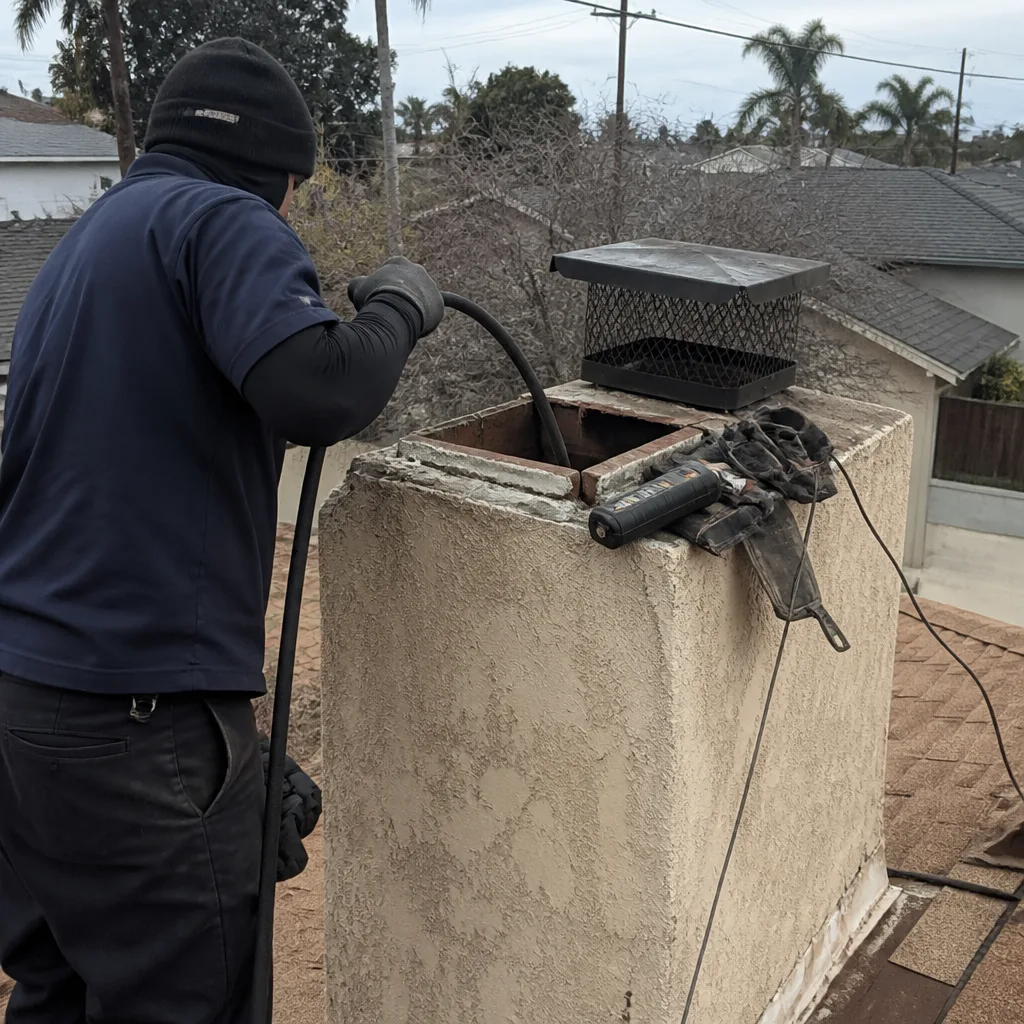 Before
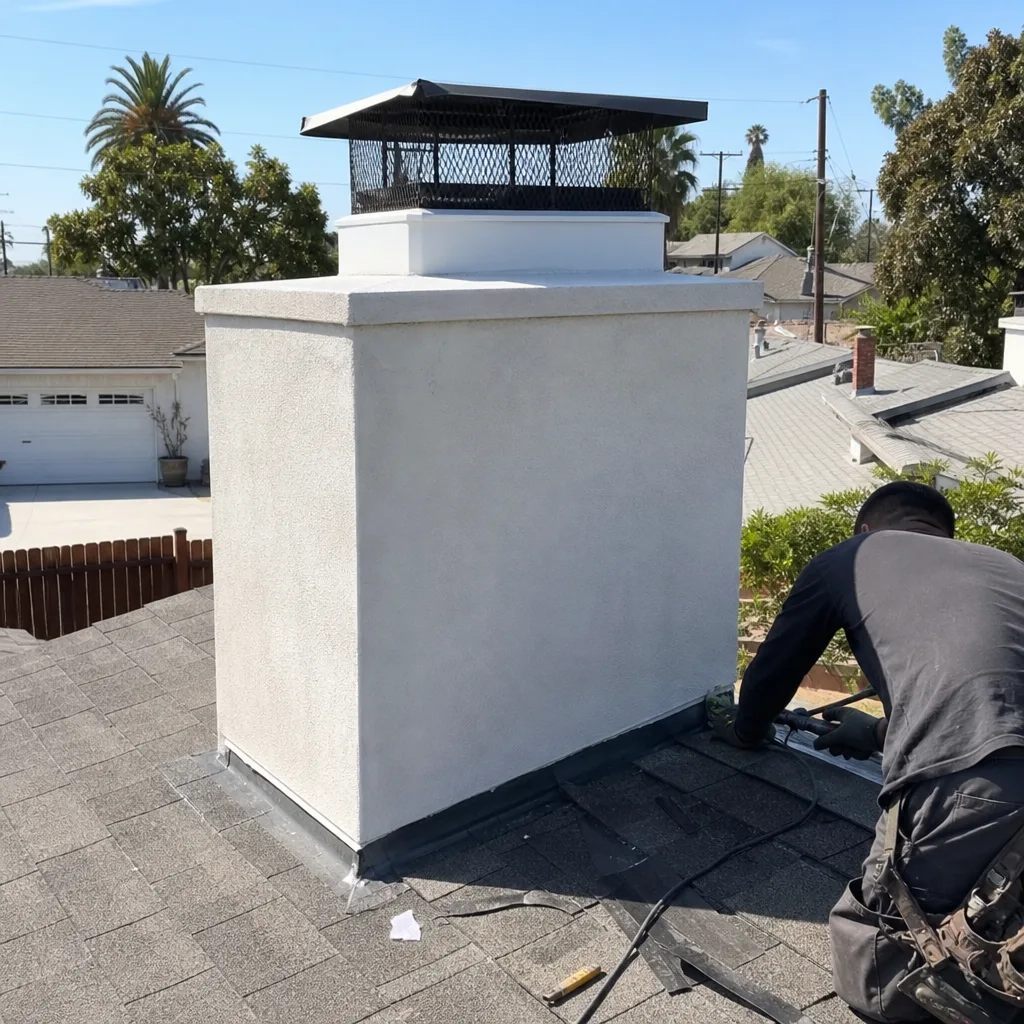 After
After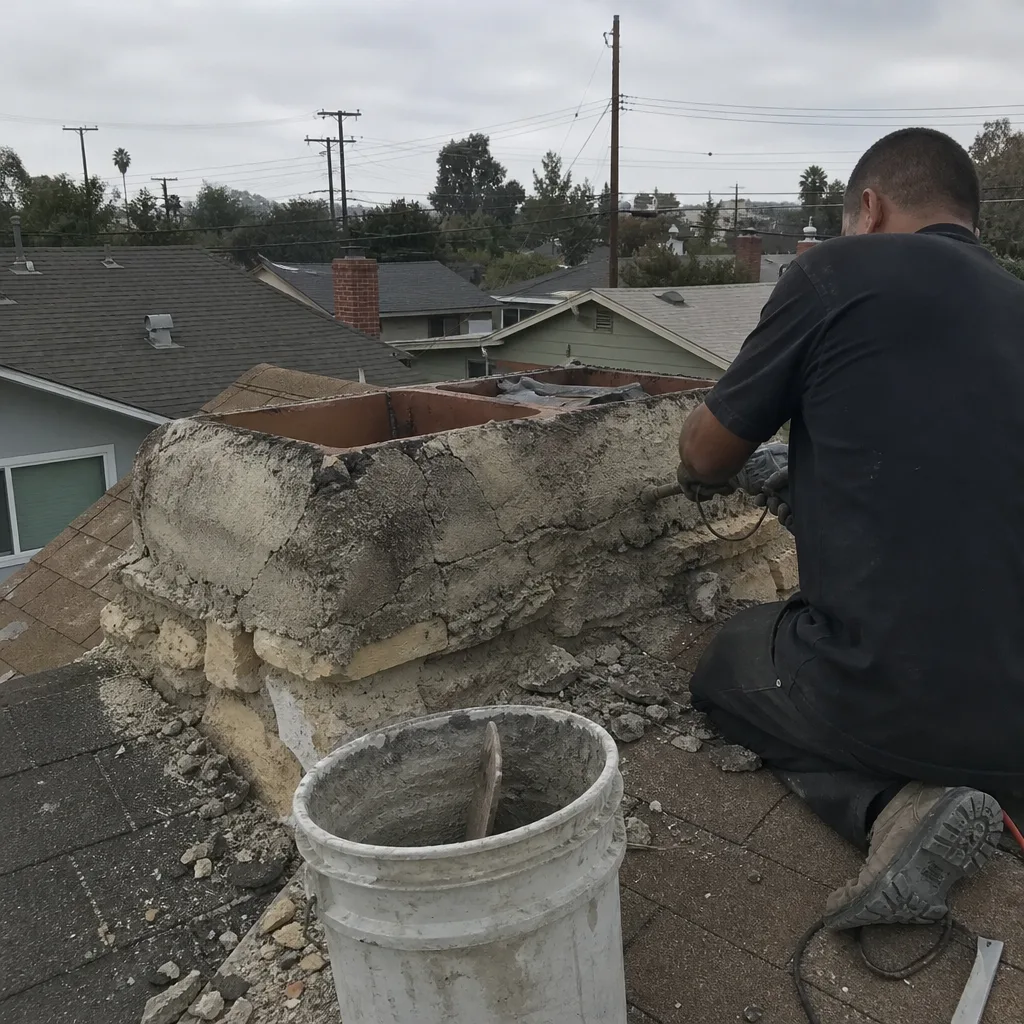 Before
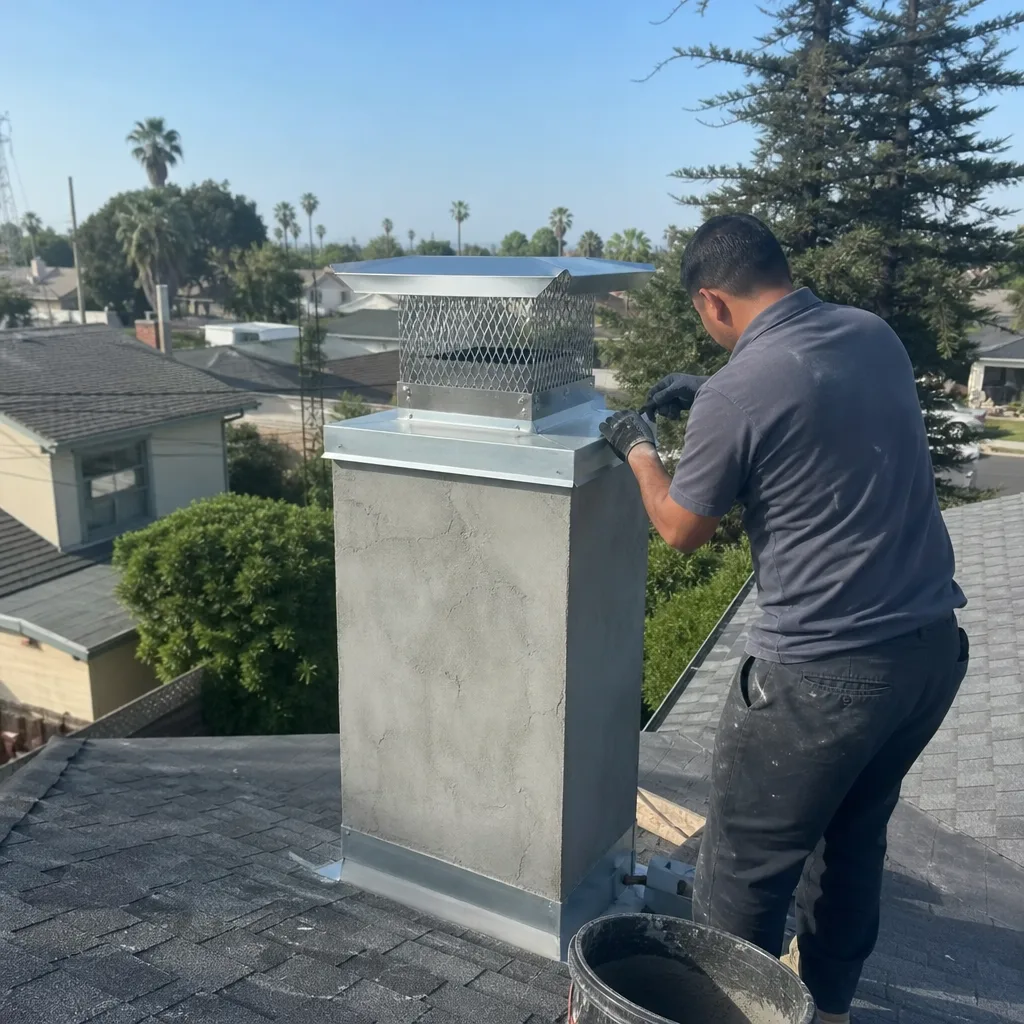 After
After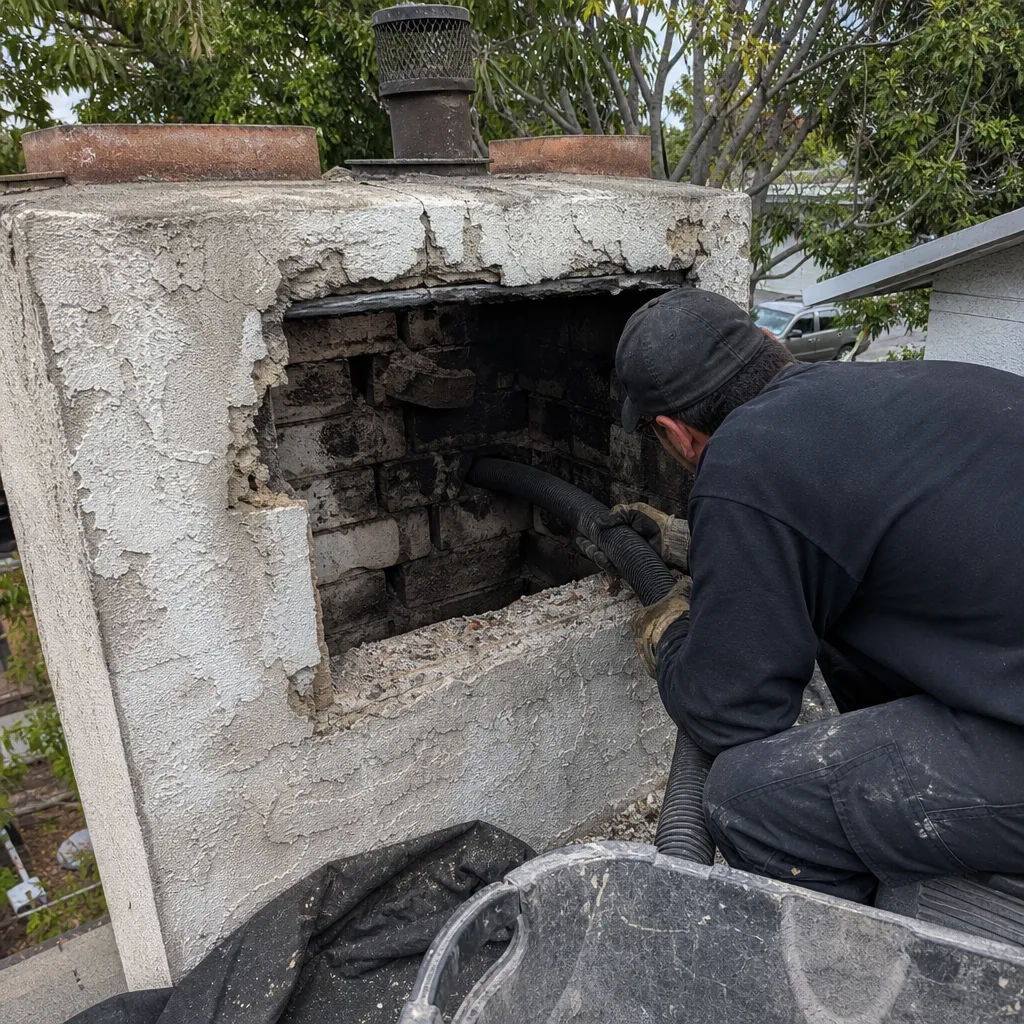 Before
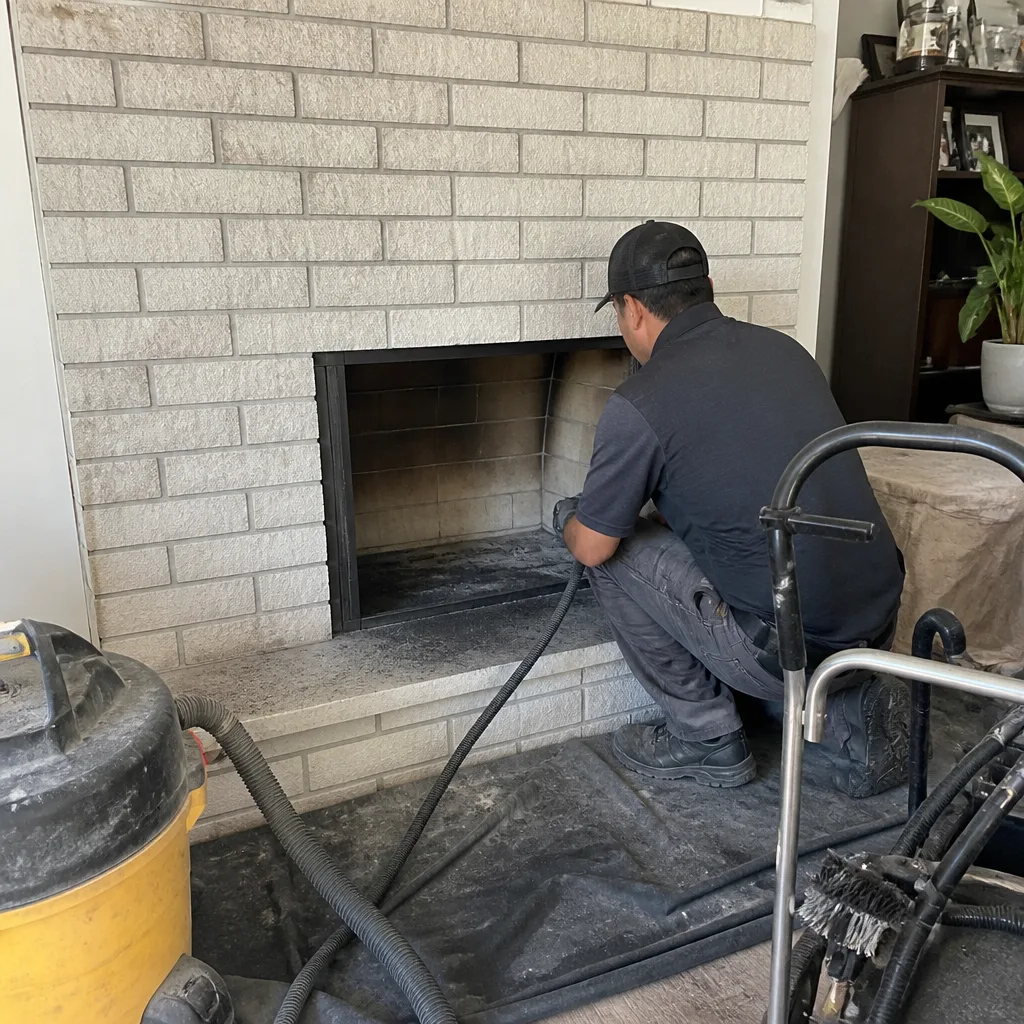 After
After