
Last updated October 15, 2026
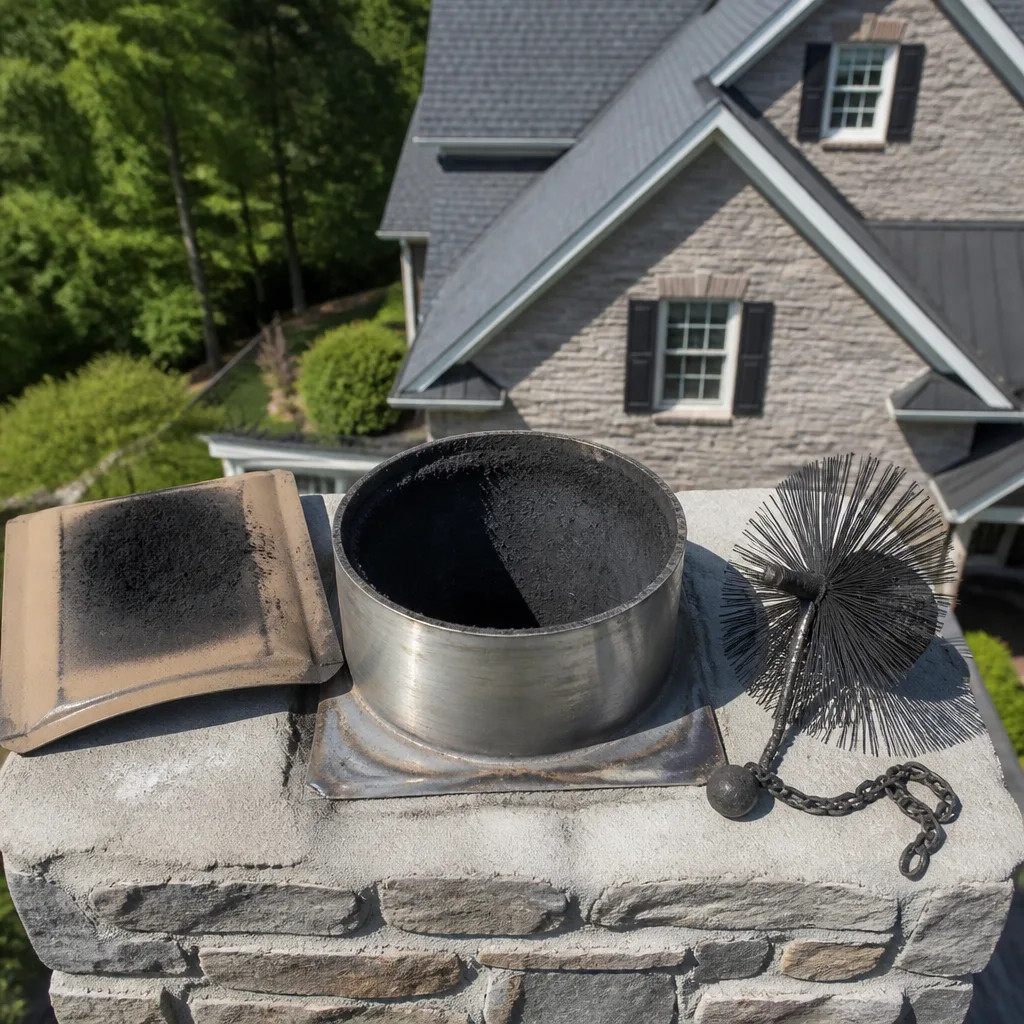 Sweep & inspection
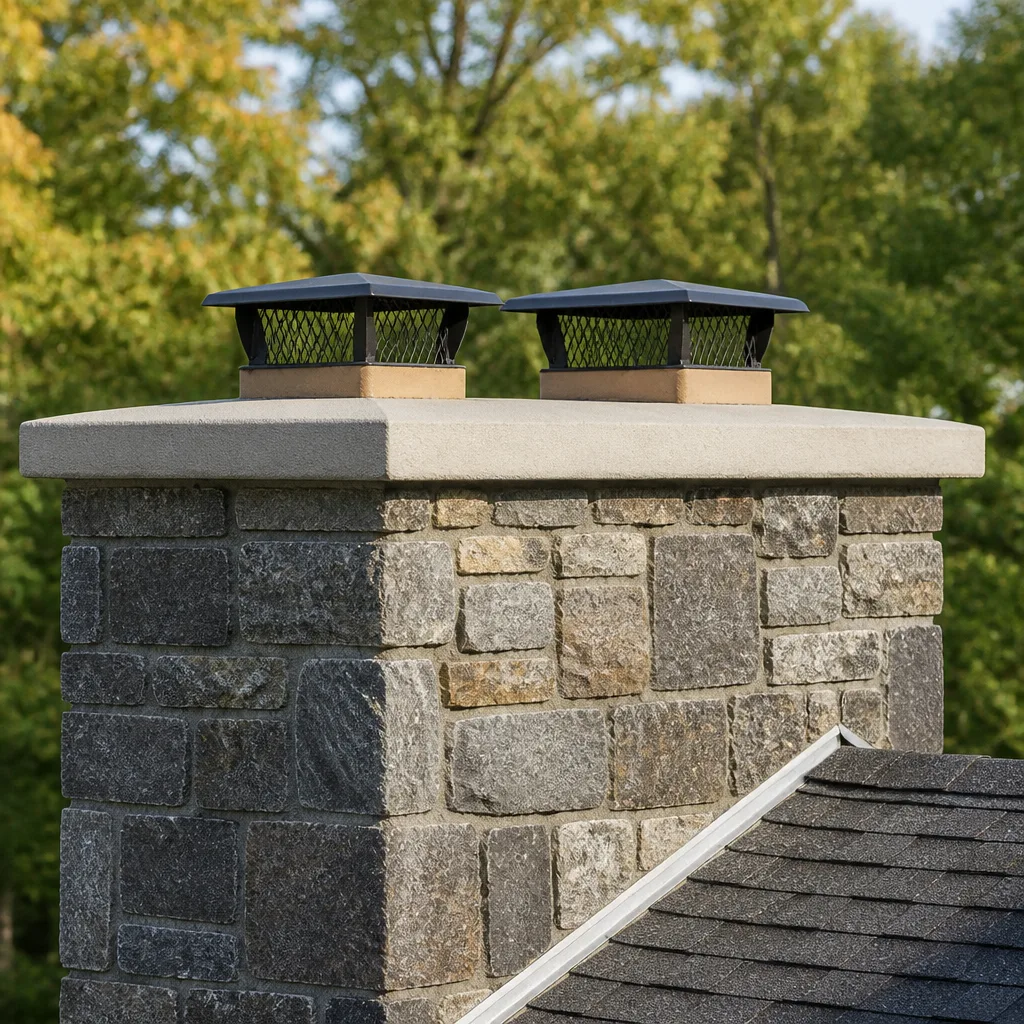 Caps & crowns
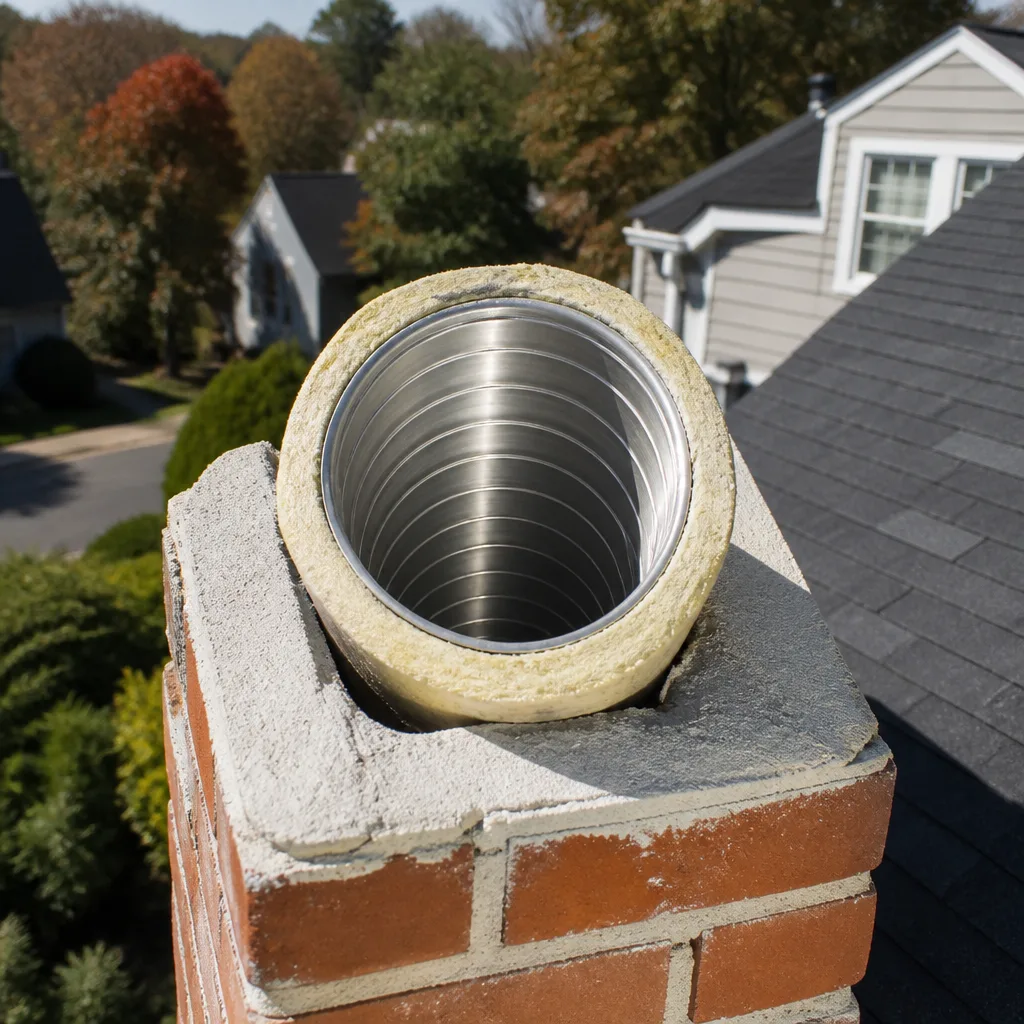 Flue relining
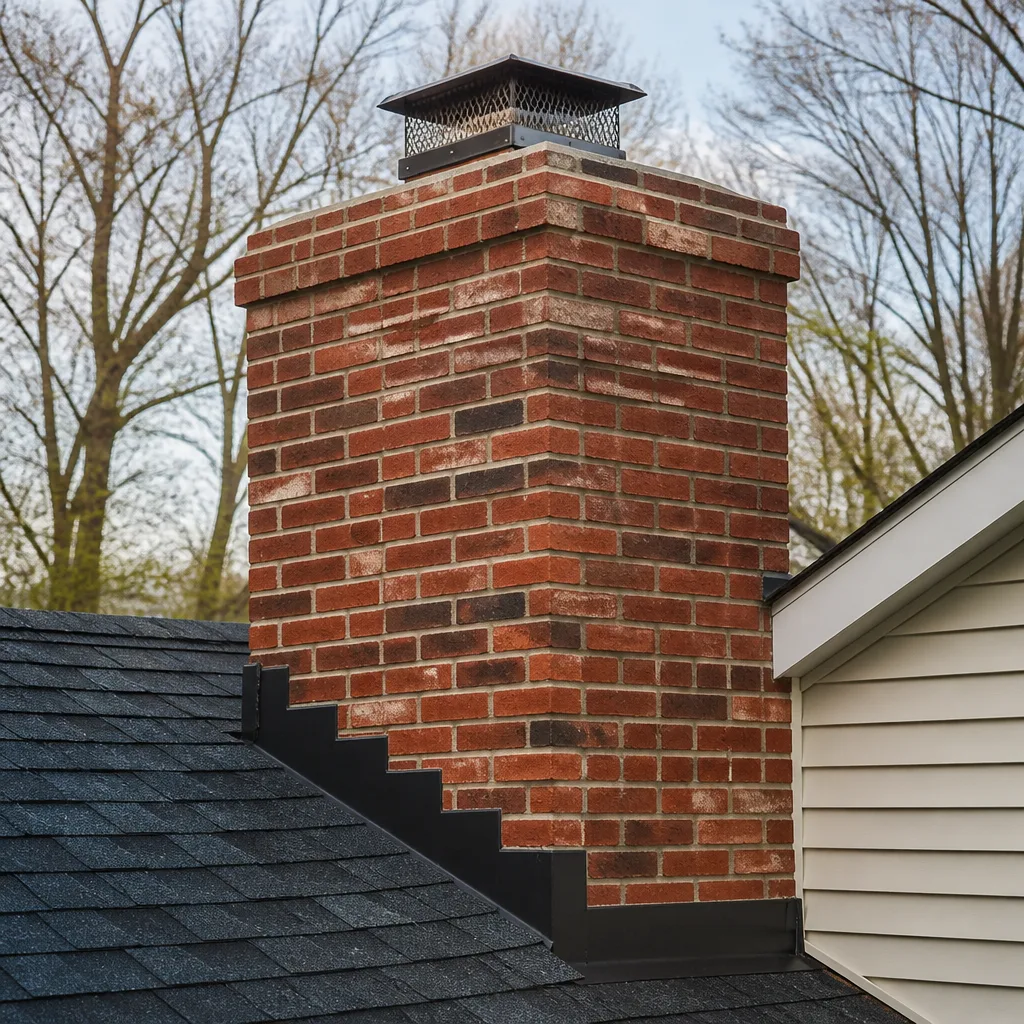 Masonry repair
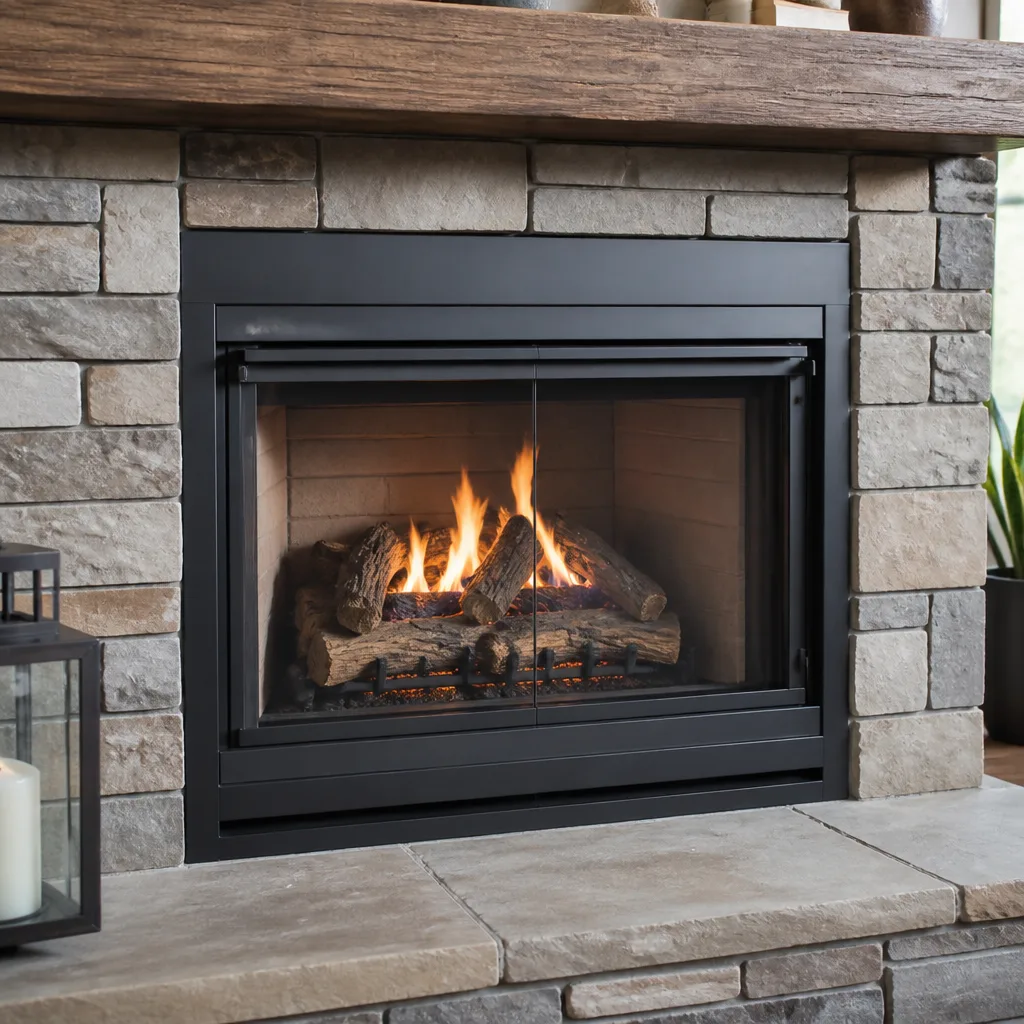 Gas fireplace service
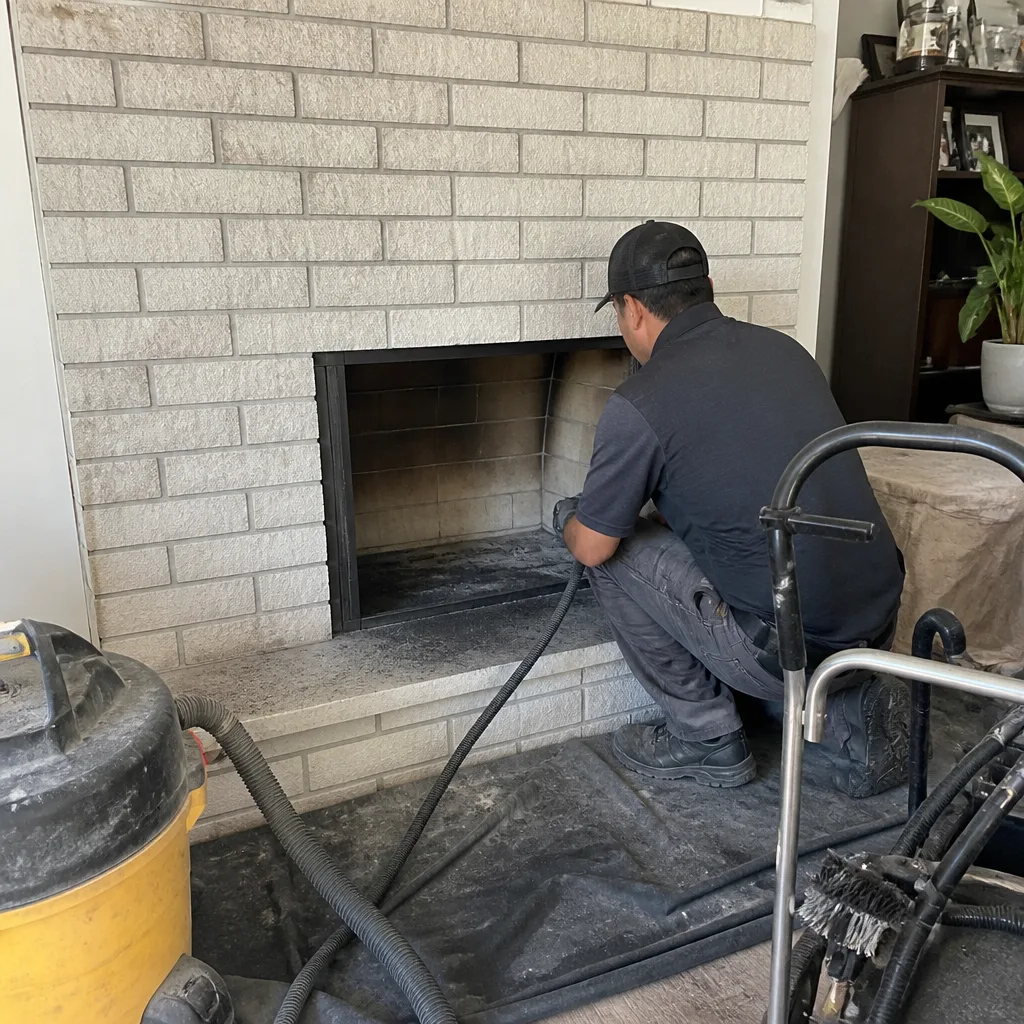
Level 1 sweep and inspection to the NFPA 211 annual standard - flue, crown, cap, and flashing checked and photographed
Chimney sweep logs do not sweep chimneys. They loosen some creosote - which then falls where a brush and vacuum still have to collect it.
Chimney Cleaning Warning Signs: A Long Beach Homeowner’s Reference Guide
Most Long Beach homeowners assume a chimney problem will announce itself with smoke pouring into the living room. The reality is quieter and more expensive. The signs that precede real chimney failures in our coastal climate show up weeks or months before anything dramatic happens, and they’re easy to miss if you don’t know where to look. Efflorescence, that chalky white staining on exterior brick, is one of the most reliable early warnings of water infiltration in Long Beach, and most people write it off as a cosmetic issue. This guide walks you through every warning sign, organized by where you’ll spot it first: outside, inside before you light a fire, and during use. For a deeper dive into keeping your system in top shape, see our Chimney Sweep Maintenance Checklist for Long Beach Homeowners. By the end, you’ll know what’s urgent, what can wait, and what to photograph before you call anyone.
Quick Answer
The chimney warning signs that matter most in Long Beach are white mineral staining on exterior brick, a damper that suddenly feels stiff or won’t stay open, debris falling onto the smoke shelf, and slow or reversed draft when you light a fire. Any one of these means the chimney needs professional attention before the next burn season. The question isn’t whether to call, it’s whether you’re looking at a simple sweep or a structural repair, and the only way to know is a camera inspection.
Styles & brands we work with
Table of Contents
- Exterior Warning Signs: Crown, Flashing, Brick Face, and Cap
- Interior Warning Signs Before You Light a Fire
- Warning Signs That Appear During a Fire
- Stop Using the Fireplace Now vs. Schedule a Repair
- What to Document With Photos Before Calling a Sweep
- What These Repairs Typically Cost in Long Beach
- Common Mistakes to Avoid
- When to Call a Professional
- Frequently Asked Questions
Exterior Warning Signs: Crown, Flashing, Brick Face, and Cap
Long Beach sits in a marine-influenced climate. That means morning fog, salt air, and a dry season that runs long enough for small problems to compound. Chimneys here don’t fail from heavy snow loads or freeze-thaw cycles the way they do in the Midwest. They fail from slow water intrusion, rust, and deferred maintenance. The exterior of your chimney tells that story before anything inside does.
White staining on the brick face (efflorescence)
Efflorescence is the white, chalky deposit that forms when water moves through masonry and carries mineral salts to the surface. It’s not mold, and it’s not paint failure. It’s water leaving a signature. On a Long Beach chimney, efflorescence usually means one of three things: the crown is cracked, the flashing has separated from the roofline, or the brick itself has become porous after years of salt air exposure. The stain is the symptom, not the problem. Power-washing it off without addressing the water source is like painting over rust. Inside the flue, that same water is soaking into the masonry and accelerating deterioration you can’t see from the ground. If you spot white staining, you’re not looking at a cleaning issue. You’re looking at a water entry issue that needs diagnosis.
Cracked or spalling crown
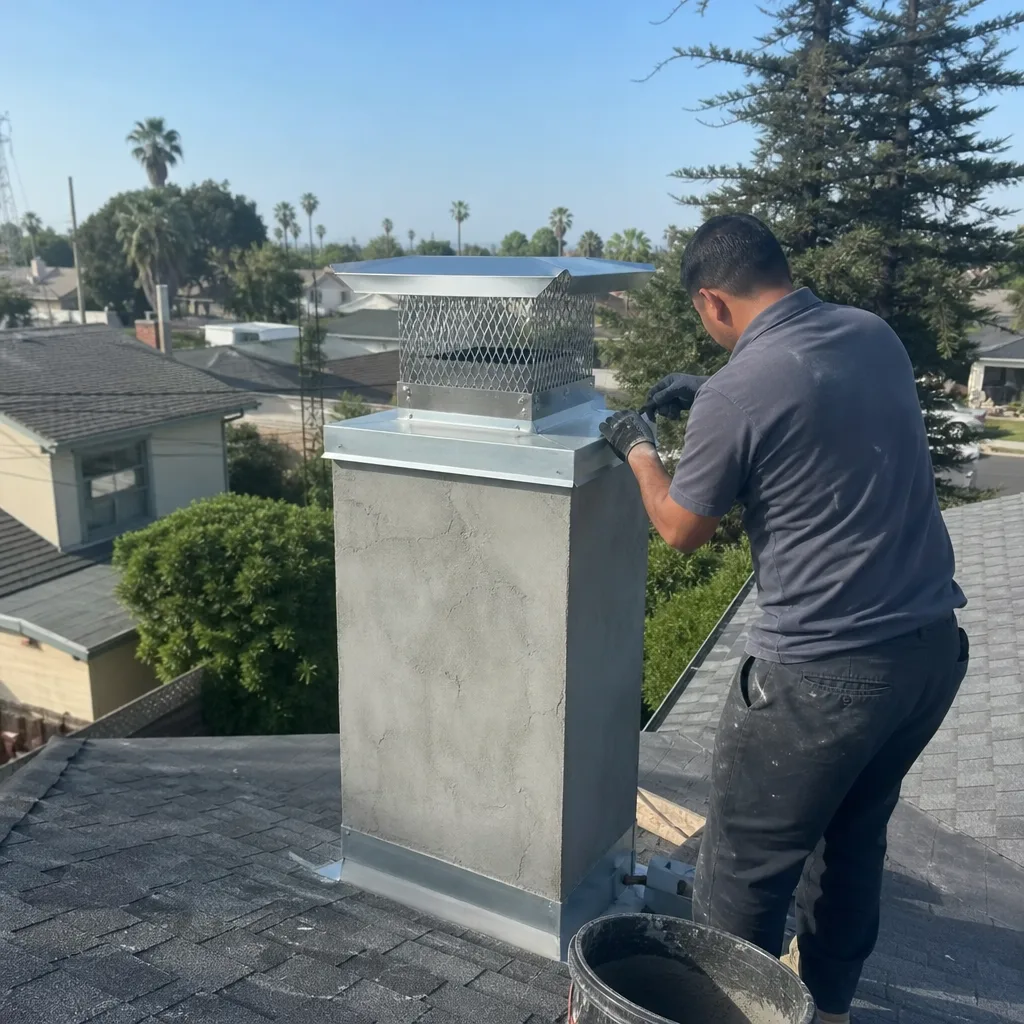
Spalling is the trade term for brick or concrete that flakes, chips, or crumbles at the surface. On a chimney crown, the concrete slab that caps the top of the chimney structure, spalling shows up as small chunks missing from the edges or hairline cracks running across the surface. The crown’s entire job is to shed water away from the flue and the brick below. A cracked crown lets water pool, seep into the masonry, and work its way down through the structure. In Long Beach, where summers hit the 80s and 90s and winter nights drop into the 40s, the thermal expansion and contraction is enough to widen a small crack into a real channel within two or three seasons. Crown repair is one of the most common chimney repairs we quote in Long Beach, and it’s usually far cheaper when caught before the brick face below it starts spalling too.
Flashing that has pulled away or rusted through
Flashing is the metal stripping where the chimney meets the roofline. It’s the seam that keeps water from running down the outside of the chimney and into the attic. When flashing fails, you usually see it as lifted edges, visible gaps in the sealant, or rust streaks running down the brick. Long Beach’s salt air accelerates corrosion on flashing faster than inland locations. If you can see daylight through any gap in the flashing, or if the caulk bead has cracked and pulled away, water is getting in. This isn’t a chimney sweep issue. It’s a repair, and it’s urgent because the water is moving into your roof structure, not just your chimney.
Missing or damaged cap
The chimney cap is the metal cover that sits over the flue opening. It blocks rain, keeps animals out, and contains sparks. A missing or rusted-through cap is an open invitation for water, birds, and debris. In Long Beach, where the off-season means months of disuse, an uncapped flue is also a standing invitation for rodents and birds to nest. Animal entry is one of the most common findings on Chimney Inspection in Long Beach reports, and nearly every animal issue starts with a cap that was never installed or fell apart. If your cap is missing, replacing it is a small-dollar fix compared to the damage an animal nest or a season of rain will cause inside the flue.
Interior Warning Signs Before You Light a Fire
You don’t need to burn anything to know your chimney needs attention. Some of the most telling signs show up months after your last fire, when the fireplace sits cold and you happen to look the right way.
A damper that suddenly feels stiff, loose, or won’t stay open
The damper is the metal plate inside the throat of the fireplace that opens to let smoke out and closes to keep outside air from coming in. It’s a simple mechanism, and it should move smoothly with consistent resistance. When a damper suddenly feels stiff, grinds, or drops open after you’ve set it, something changed. In Long Beach, the usual culprits are rust from humid coastal air, soot buildup jamming the mechanism, or warping from heat exposure over years of use. A damper that won’t open fully is a venting problem waiting to happen. A damper that won’t close is an energy leak and an entry point for damp air and pests. Neither is a problem you should ignore because neither gets better on its own.
Daylight where you shouldn’t see it
Stand inside your fireplace, close the damper, and look up. You shouldn’t see light. If you see daylight around the edges of the damper, or worse, through cracks in the flue itself, the chimney is not sealed. This is called light visible through the flue, and it’s a direct sign that the inner liner has gaps, cracks, or separation. A flue with gaps doesn’t just leak air, it leaks heat and smoke into the masonry cavity and, potentially, into the house. This is the condition that flue relining (replacing the inner liner that channels smoke safely out of the house) exists to solve. We regularly find this condition in older Long Beach homes built in the 1950s and 1960s, where clay tile liners have been quietly degrading for decades.
Animal sounds or odor
Scratching, flapping, chirping, or a musty, ammonia-like smell coming from the fireplace are all signs that something is living or has lived in your flue. Long Beach sees its share of raccoons, squirrels, and birds taking advantage of uncapped chimneys. The problem isn’t just nuisance. Animal nests are highly flammable and create blockages that send carbon monoxide back into the home. A dead animal in the flue smells bad for weeks and requires removal before any cleaning can happen. If you hear or smell signs of animals, stop using the fireplace and call a professional. The animal has to be handled properly, and the nest material has to be removed before the flue is safe to use.
Debris on the smoke shelf
The smoke shelf is a flat ledge just above the damper, inside the throat of the chimney. It’s designed to catch falling debris and keep it from landing in the firebox. If you shine a flashlight up past the damper and see leaves, twigs, or chunks of flue tile sitting on that ledge, you’re looking at two possible problems. The debris is either coming from outside, which means the cap is missing or damaged, or it’s coming from inside, which means the flue liner is deteriorating and pieces are breaking off. Both require attention. A pile of flue tile fragments on the smoke shelf is one of the clearest signs we see that a chimney needs liner work.
Warning Signs That Appear During a Fire
Some warning signs only show up when the fireplace is working. If you’ve been burning regularly in Long Beach, even with our relatively short burn season, these are the things to watch for.
Slow draw or smoke rollout
Draw is the chimney’s ability to pull smoke up and out. A healthy chimney draws steadily from the moment the fire catches. If you notice the fire struggling to establish a draft, or if smoke starts spilling into the room when you open the doors on a prefab fireplace, the chimney is telling you something. Slow draw usually means one of three things: a blockage in the flue, insufficient height on the chimney relative to the roofline, or negative air pressure in the house from exhaust fans and closed windows. In Long Beach, improper chimney height is surprisingly common, especially on single-story homes where the chimney was built to minimum code and the surrounding trees or rooflines have since changed the airflow. Blockage from a partial animal nest or a heavy creosote buildup is the more urgent cause. Either way, smoke rollout is a stop-burning situation until the cause is identified.
Excessive smoke odor in adjacent rooms
It’s normal to smell a faint woodsmoke scent during a fire. It’s not normal to smell it strongly in bedrooms down the hall, or to smell it hours after the fire is out. When smoke odor lingers or spreads, the flue isn’t containing the smoke the way it should. The usual causes are a downdraft problem, a flue that’s too large for the fireplace opening, or failing masonry that’s allowing smoke to seep through the walls instead of up the flue. We’ve seen Long Beach homes where the smoke odor in the bedroom was the first sign that the flue liner had cracked behind the wall. Don’t write off strong smoke odor as “just how fireplaces smell.” It’s not.
Visible creosote that looks glossy or tar-like
Creosote is the black residue that forms when wood smoke condenses on the cooler walls of the flue. It comes in three stages, and the third stage is the one that matters. Stage three creosote looks like glossy tar or baked-on glaze, and it’s the form most likely to fuel a chimney fire. If you can see shiny, glassy buildup on the firebox walls or up into the flue, the chimney is well past due for a cleaning. See The Complete Guide to Chimney Cleaning in Long Beach for what thorough cleaning involves. One chimney fire is enough to crack flue tiles and render the entire system unsafe, and the damage it causes costs far more than a sweep ever would.
Burning odor that isn’t wood
A chemical or acrid smell coming from the fireplace, especially on a prefab or factory-built unit, is a serious warning sign. Prefab chimneys are built with metal components that should never get hot enough to off-gas. If you smell something like burning metal or plastic, shut the fire down and stop using the unit. This is not a cleaning issue. It’s a safety issue that requires inspection before any further use. The same goes for any visible rust or discoloration on the metal chimney pipe that runs through the house.
Stop Using the Fireplace Now vs. Schedule a Repair
Not every warning sign means you have to go cold turkey. Some conditions allow for continued use with a repair already on the calendar. Others mean the fireplace is done until a professional says otherwise. Here’s how we tell our Long Beach customers to think about it.
Stop using the fireplace immediately if:
- Smoke rolls into the room when the fire is burning or when you open the glass doors.
- You smell strong smoke odor in rooms far from the fireplace, or hours after the fire is out.
- You can see daylight through the flue beyond the damper, or you’ve found chunks of flue tile on the smoke shelf.
- You hear or smell animals in the chimney.
- The damper won’t open fully or won’t stay open while burning.
- You see glossy, tar-like creosote on the firebox walls or flue.
You can schedule a repair and use the fireplace conservatively if:
- You see light efflorescence on exterior brick but no moisture inside, and the flue itself is intact.
- The cap is missing but the flue has no visible blockage and there’s been no animal activity.
- The flashing has a small gap that you’ve temporarily sealed, and the attic inspection shows no water intrusion.
- You’ve noticed the damper is slightly stiff but it still opens, closes, and stays in position reliably.
Here’s the thing about that second list: these conditions are still doing damage. The damage is just slower. “Schedule a repair” means put a date on it, not put it in the someday pile. A cracked crown left for one more winter, even a mild Long Beach winter, adds real cost to the eventual fix.
What to Document With Photos Before Calling a Sweep
One of the smartest things a Long Beach homeowner can do before calling a chimney company is build a paper trail. Here’s why it matters: when a technician quotes a repair, they’re going to show you photos from a camera inspection. If you have your own photos from before the visit, you can compare what you saw with what they’re showing you. This protects you from scope expansion, which is the industry term for when a company tries to expand the job beyond what you actually observed.
Here’s what to photograph and how:
- Exterior, all four sides if accessible. Stand far enough back to capture the full chimney from crown to roofline. Use a ladder only if you’re comfortable doing so, and never get on the roof for this. A photo from the ground at each visible angle is enough.
- Close-ups of anything that looks wrong. Efflorescence, cracks in the crown, rust on the cap, gaps in the flashing. Zoom in close enough that the issue is clearly visible.
- The firebox and damper, from inside the house. Open the damper if it moves freely, and photograph up toward the smoke shelf. If you see debris, photograph the debris.
- The area around the fireplace in the room. This is your baseline. If a company claims the work will affect your walls or floor, you’ll have a record of what those surfaces looked like before they arrived.
- Date your photos. Most phones do this automatically, but confirm the metadata is correct. A timestamped photo of a cracked crown from February is harder to argue with than a fuzzy memory from last year.
This isn’t about distrusting your chimney company. It’s about being an informed customer. A good company welcomes a homeowner who pays attention. We’d rather work with someone who documented the problem carefully than with someone who has no idea what they’re looking at and is relying entirely on our word. The documentation makes every conversation more productive.
What These Repairs Typically Cost in Long Beach
We believe in putting prices in writing, and that starts with giving Long Beach homeowners a realistic ballpark before they ever pick up the phone. Here’s what we typically see in this market, based on local labor rates and material costs as of this writing.
| Repair or Service | Typical Long Beach Price Range | Notes |
|---|---|---|
| Standard chimney sweep | $189 – $289 | Includes firebox cleanout and basic inspection. |
| Level 2 chimney inspection | $250 – $450 | Camera inspection of the full flue. Required when buying or selling a home. |
| Chimney cap replacement | $150 – $400 | Depends on cap size and flue configuration. |
| Crown repair (minor cracks) | $300 – $800 | Sealing and resurfacing without full replacement. |
| Flashing repair | $350 – $900 | Varies with roof pitch and accessibility. |
| Flue relining | $2,500 – $7,500+ | Depends on liner length, material, and access. |
Those flue relining numbers are the ones homeowners fear, and they should be transparent. The good news is that many Long Beach chimneys don’t need relining. What they need is a sweep and an inspection that tells them, with camera evidence, whether the liner is sound. We’ve inspected hundreds of flues in this city. Some need relining. Many just need the creosote removed and the water entry points sealed. The only way to know which category you’re in is to look with a camera, and that’s exactly what a Chimney Sweep in Long Beach should include in the process. Every repair we quote comes with a written price before work starts, so the number you approve is the number on the invoice. No surprises at the door, no scope creep after the camera goes up.
Common Mistakes to Avoid
- Ignoring efflorescence because it “looks old.” White staining is water intrusion in progress. Every month it goes unaddressed, the masonry behind it is degrading further, and the eventual repair cost in Long Beach climbs.
- Using the fireplace with a damper that won’t fully open. Partial blockage at the damper means smoke and carbon monoxide have a restricted path. It’s a slow-burning safety issue that feels benign right up until it isn’t.
- Assuming a missing cap is no big deal because “it’s been missing for years.” Long Beach’s bird and rodent population doesn’t need an invitation twice. A missing cap turns a fireplace into a nesting site within a single off-season.
- Chipping away at glossy creosote with a DIY scraper. Stage three creosote is extremely hard, and the scraping tools sold at big-box stores are not sufficient to remove it from the flue’s inner walls. You’ll spend a weekend making noise and still leave the dangerous glaze in place.
- Waiting to photograph a problem until after the chimney company arrives. Your before-photos are your record. Once work begins, you lose the ability to document the original condition with the same clarity.
- Accepting a verbal price and then being surprised when the invoice is higher. Any company that won’t put a price in writing before work starts is telling you something about how they operate. Get it in writing, every time.
- Assuming a chimney that was fine last year is fine this year. Flue liners don’t fail on a schedule. Water intrusion, animal activity, and corrosion can create a new problem between burn seasons, especially in a coastal climate like Long Beach’s.
When to Call a Professional
If you’ve spotted any of the warning signs in this guide, the next step is a professional inspection. That’s true whether you’re looking at a small crown crack or a full stop-burning condition. The reason is simple: the signs you can see are indicators, not diagnoses. A crown crack could be cosmetic or structural. A stiff damper could be rust or a failing mechanism. A camera inspection is the only reliable way to know what you’re actually dealing with, and that’s the service we specialize in. Flint Chimney Co Long Beach offers free estimates in Long Beach, and every inspection includes a written report with photos showing exactly what we found. For more guides & resources on chimney care, visit our blog. Call (562) 317-7262 to schedule. If it’s not urgent, we’ll tell you it’s not urgent, and we’ll put that in writing too.
Frequently Asked Questions
A standard chimney sweep in Long Beach typically runs $189 to $289, depending on the chimney’s condition and accessibility. Our pricing is delivered in writing before any work starts, and the number on the invoice is the number you approved. Call (562) 317-7262 for a free estimate on your specific chimney.
The clearest signs are visible creosote buildup that looks shiny or tar-like, smoke rolling into the room during a fire, a damper that feels stiff or won’t stay open, and debris falling onto the smoke shelf. Any of these means the chimney should be inspected and most likely swept before the next burn.
You need a new liner if a camera inspection shows cracks, gaps, or deterioration in the existing liner that would allow heat or smoke to escape into the masonry. Many Long Beach chimneys we inspect don’t need relining, but when they do, the evidence is visible on camera and we walk you through exactly what we’re seeing. We work with professional-grade liner materials including DuraFlex and HeatShield, specified by the job, not by margin.
The National Fire Protection Association recommends a chimney be swept when creosote buildup reaches 1/8 inch, and inspected at least once a year. In Long Beach, where burn seasons are short, an annual inspection before the season starts is the right rhythm for most homes. The frequency of sweeping depends on how often you burn and what you burn.
The most common outcomes are chimney fires from creosote buildup, carbon monoxide entering the home from a blocked or damaged flue, and structural damage from water that seeps in through a cracked crown or failing flashing. Each of these costs far more to fix than the sweep and inspection that would have prevented it.
You can burn with a missing cap only if an inspection confirms there’s no animal nest, no debris blockage, and the flue is otherwise sound. But you should replace the cap as soon as possible. In Long Beach, an uncapped flue is an open invitation for birds and rodents, and a single off-season is enough for a nest to form. Call (562) 317-7262 to schedule a cap replacement, and we’ll inspect the flue while we’re up there.
The Bottom Line
Chimney warning signs in Long Beach are quieter than most guides suggest. White staining on brick, a stiff damper, a faint animal odor, debris on the smoke shelf: these are the signals that precede expensive failures, and they all point to the same action. Get a camera inspection. Find out what you’re actually dealing with. Then decide. Whether the fix is a simple sweep or a structural repair, the right move is the same: a professional who documents everything, puts the price in writing before work begins, and stands behind the repair in writing after. That’s how we operate, and it’s what every Long Beach homeowner should expect from any chimney company they let onto their property.
Written by Hank Delano, Owner at Flint Chimney Co Long Beach, serving Long Beach since 2002.
See the difference
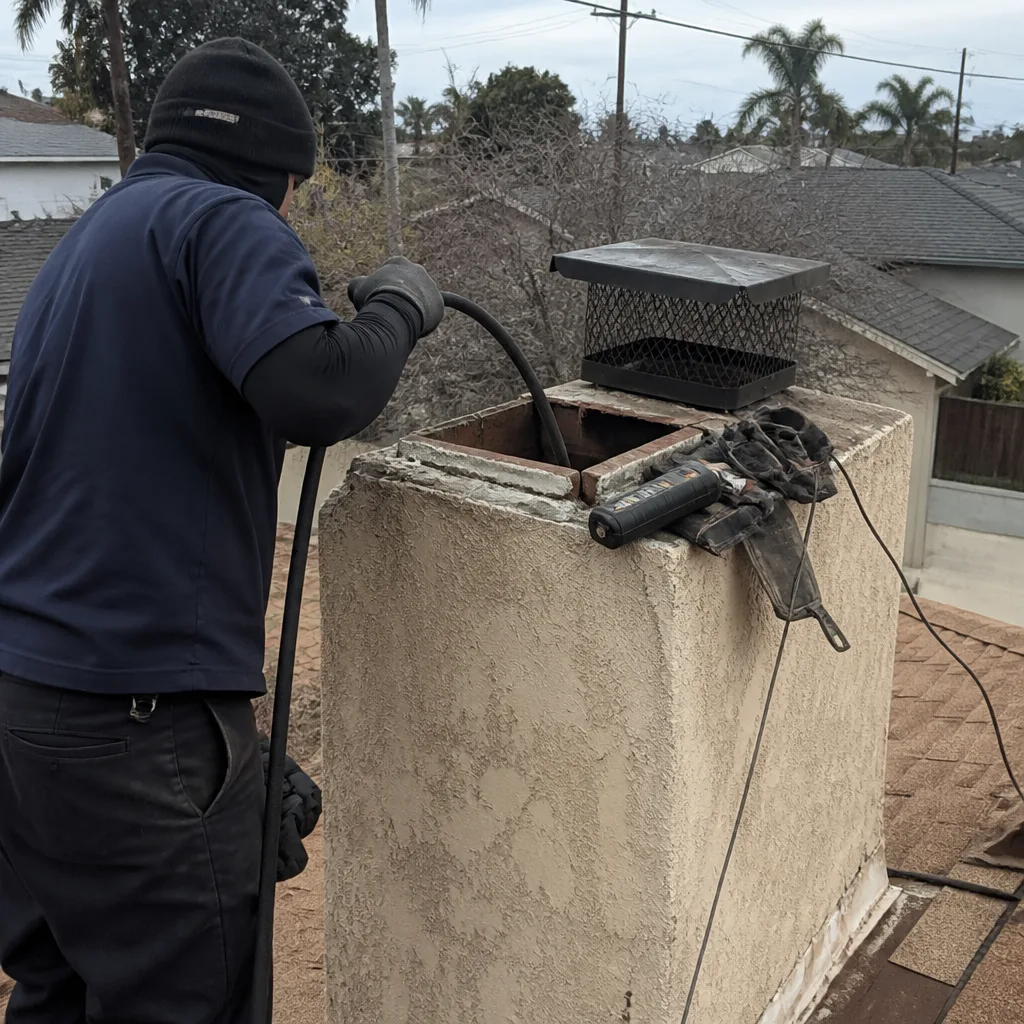 Before
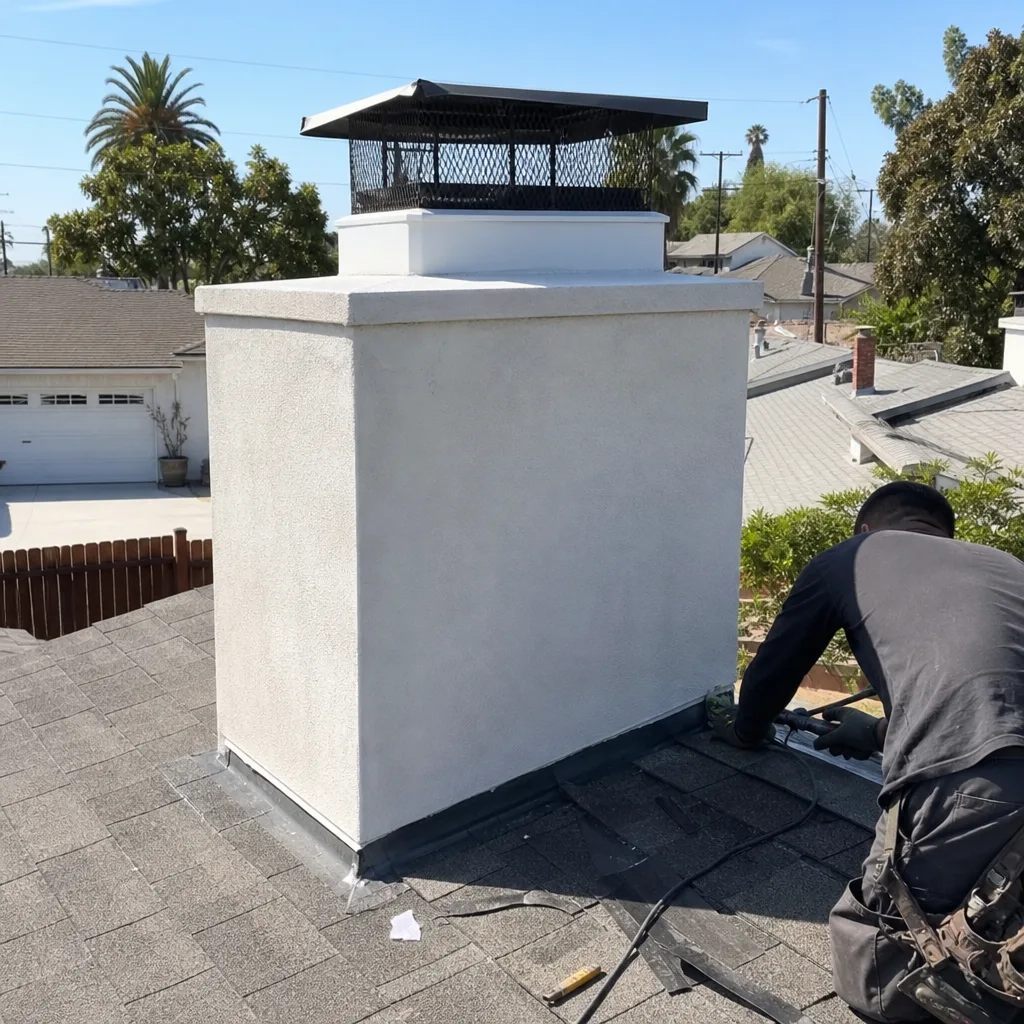 After
After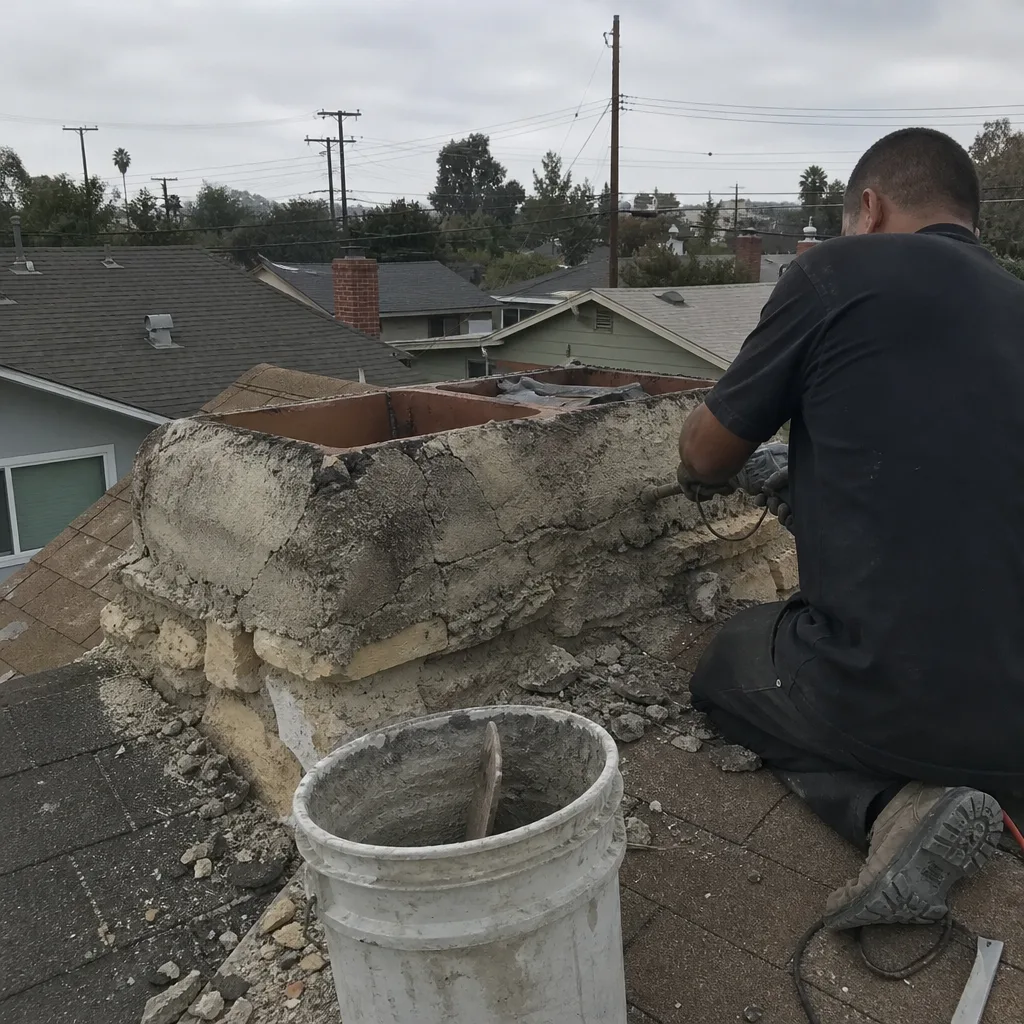 Before
 After
After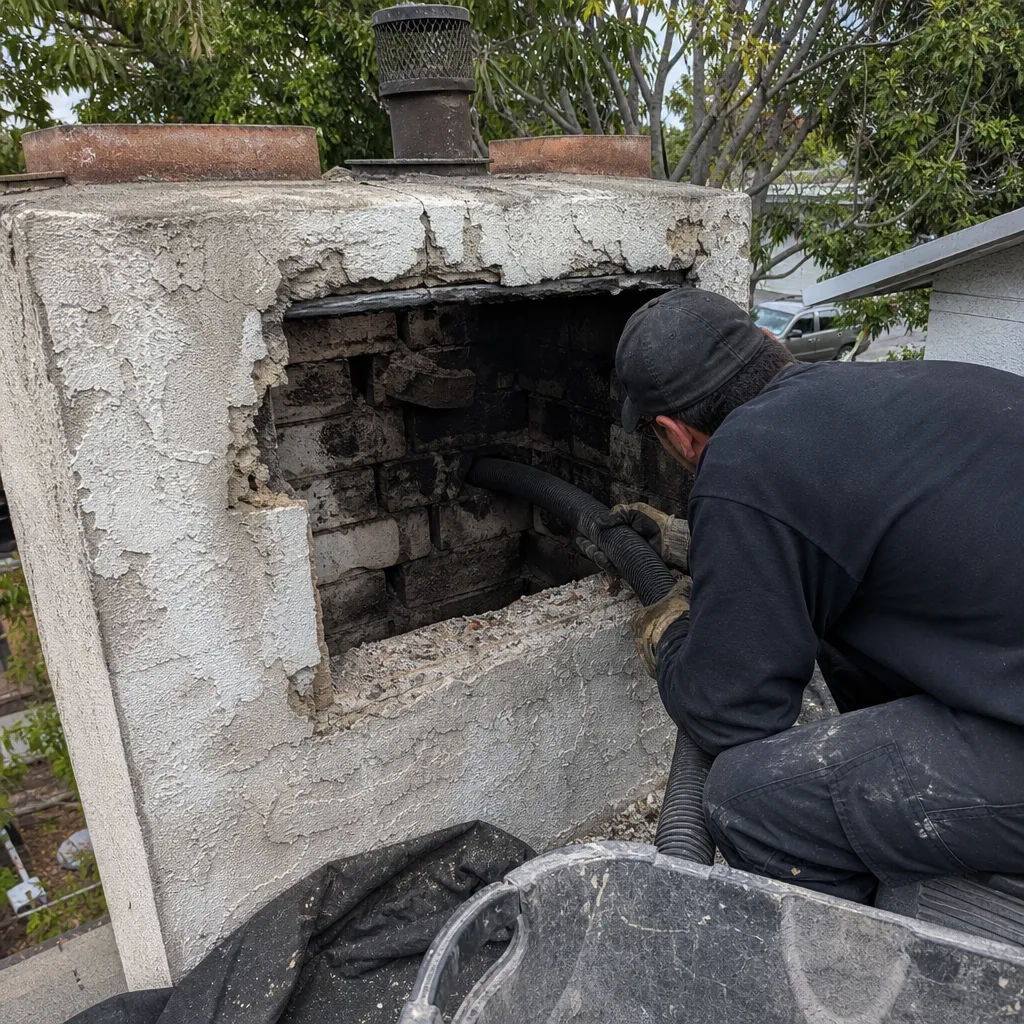 Before
 After
After