
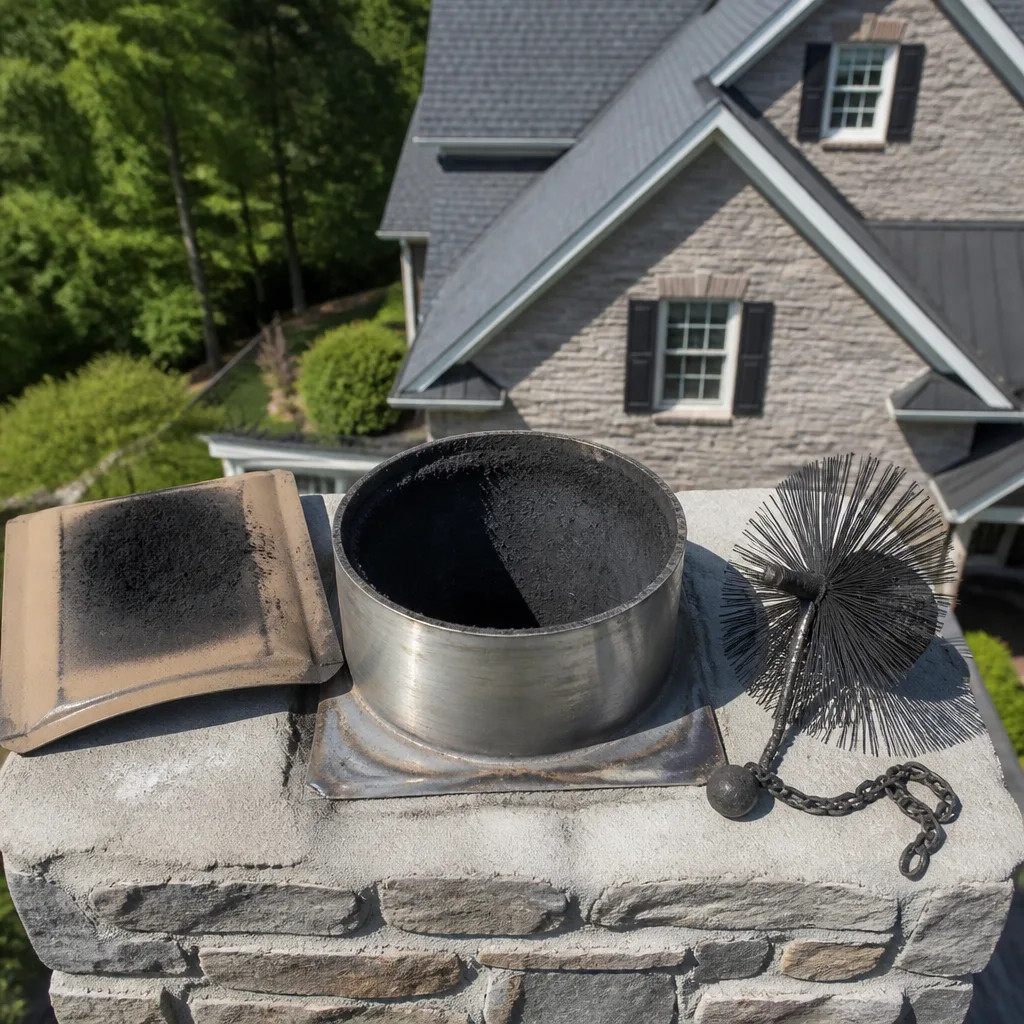
 Sweep & inspection
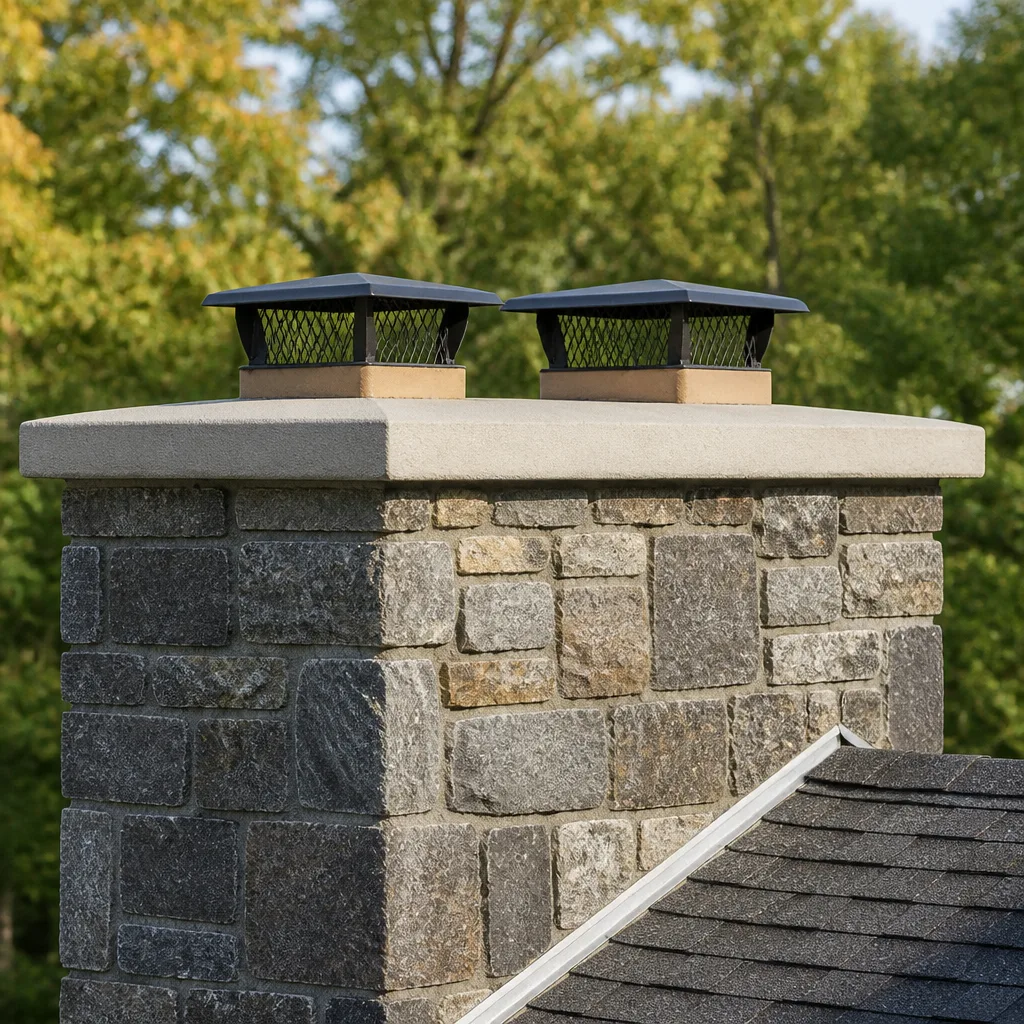 Caps & crowns
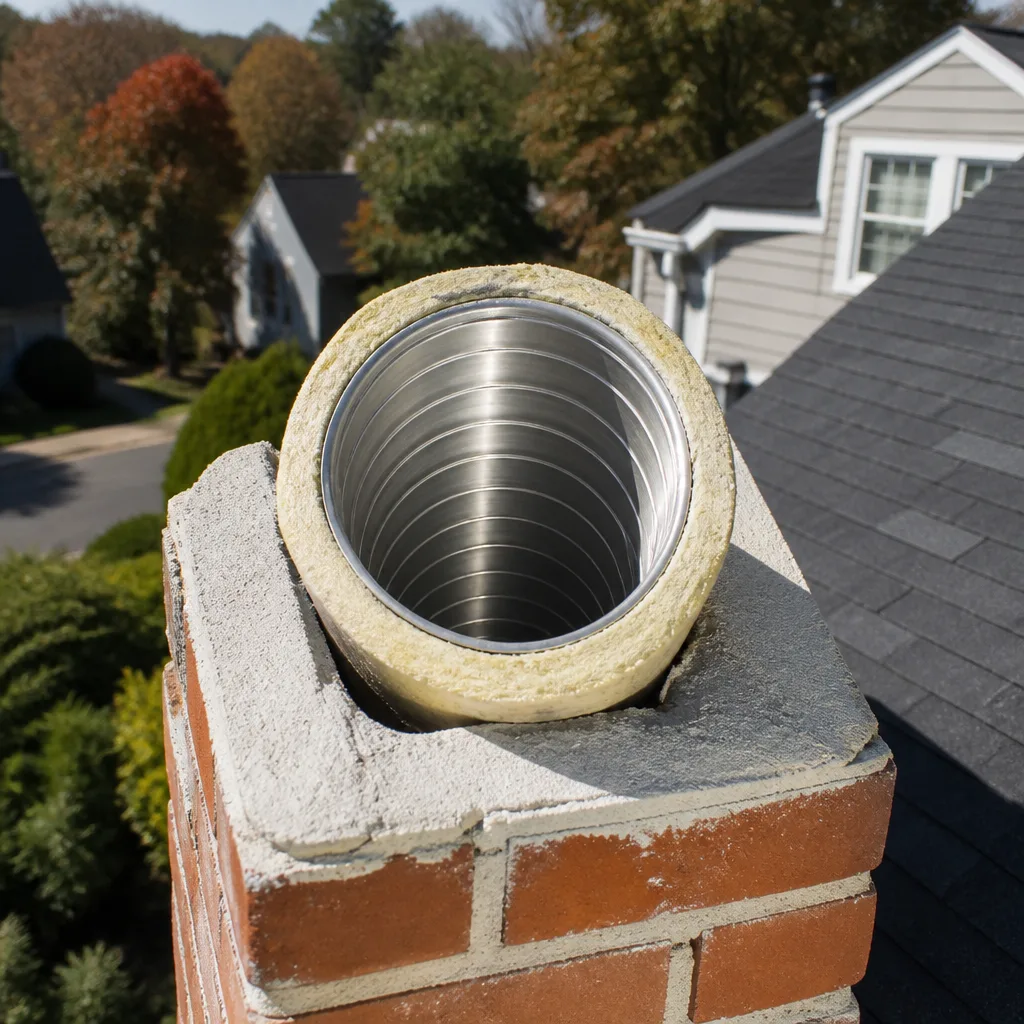 Flue relining
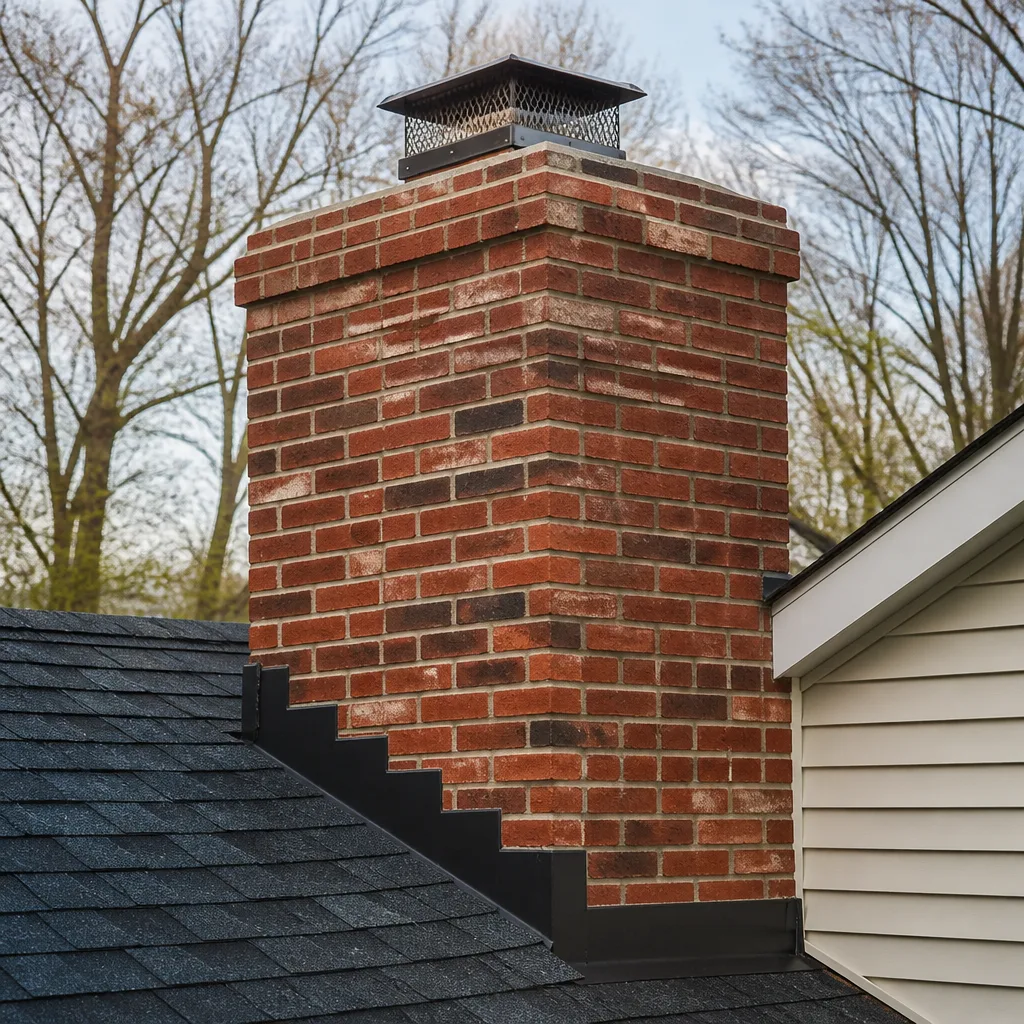 Masonry repair
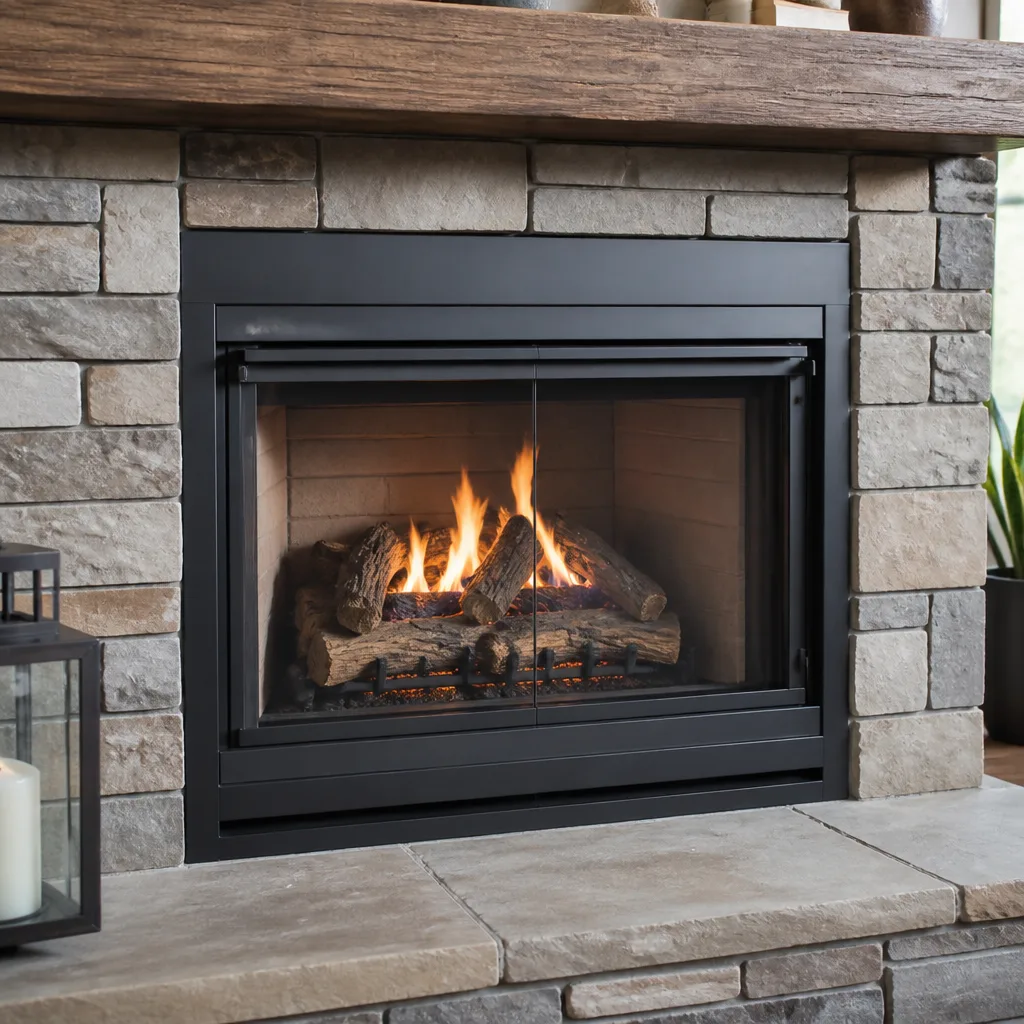 Gas fireplace service
Level 1 sweep and inspection to the NFPA 211 annual standard - flue, crown, cap, and flashing checked and photographed
Chimney sweep logs do not sweep chimneys. They loosen some creosote - which then falls where a brush and vacuum still have to collect it.
Styles & brands we work with
See the difference
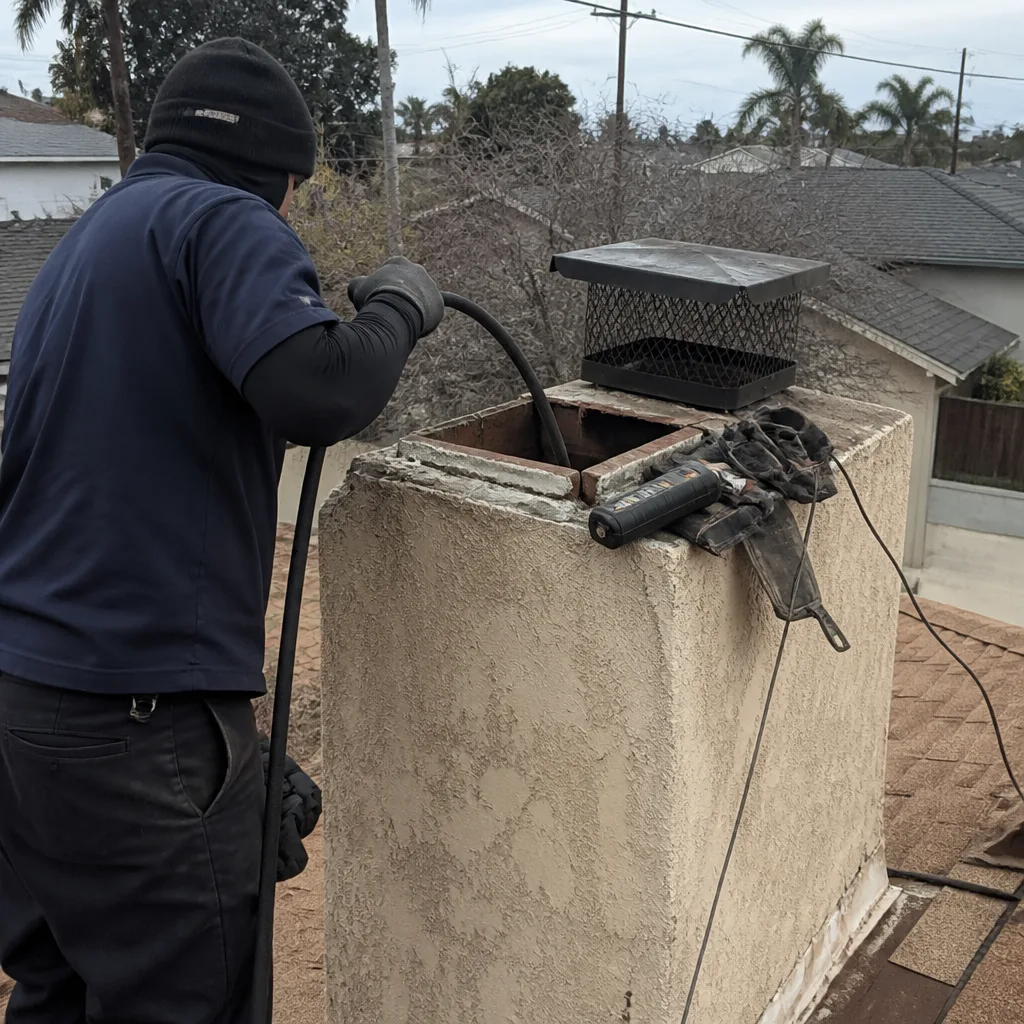 Before
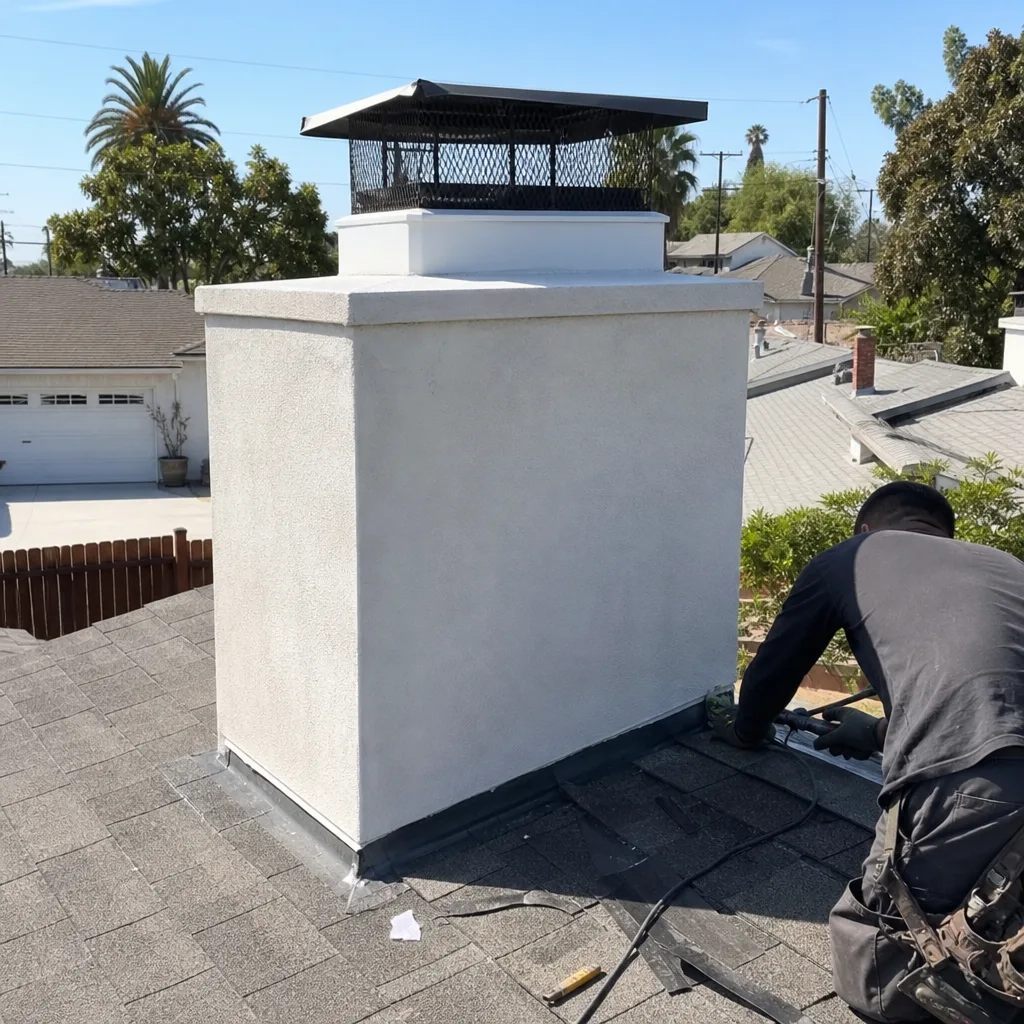 After
After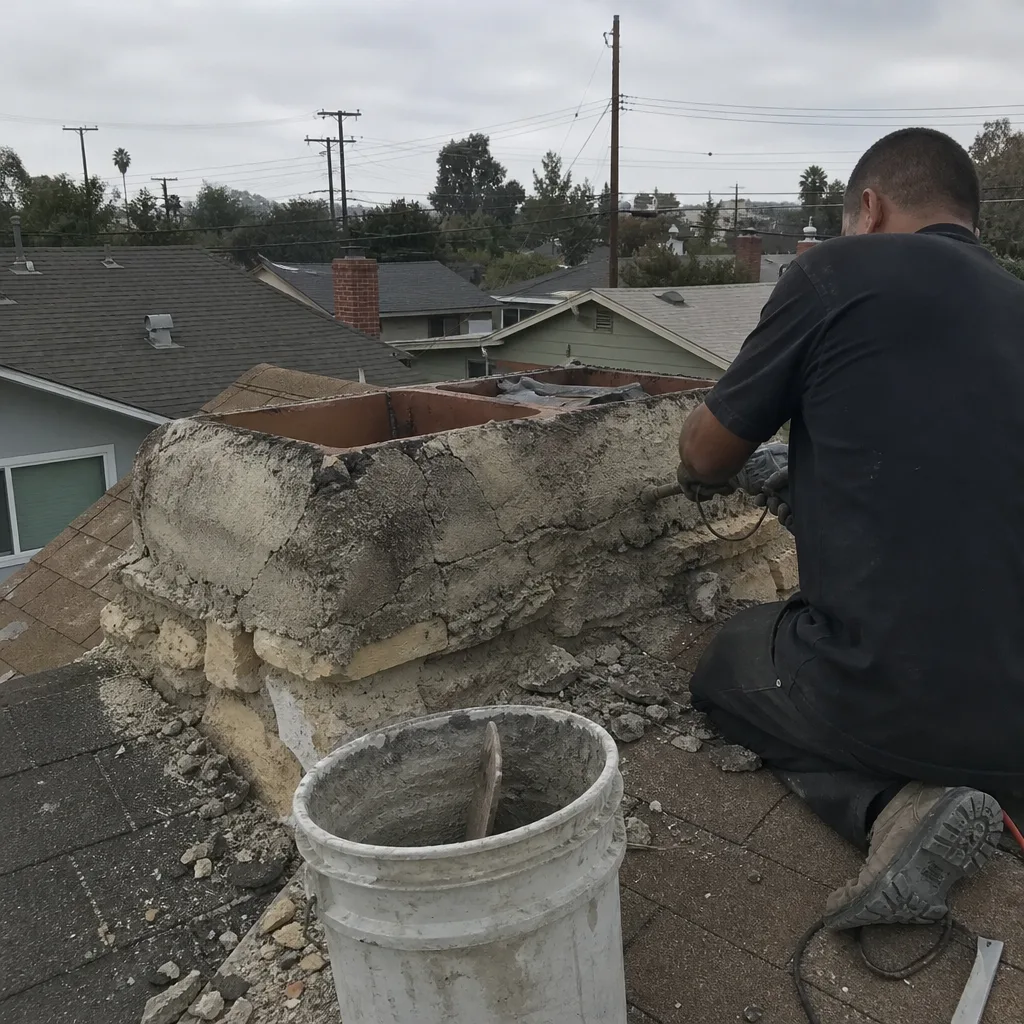 Before
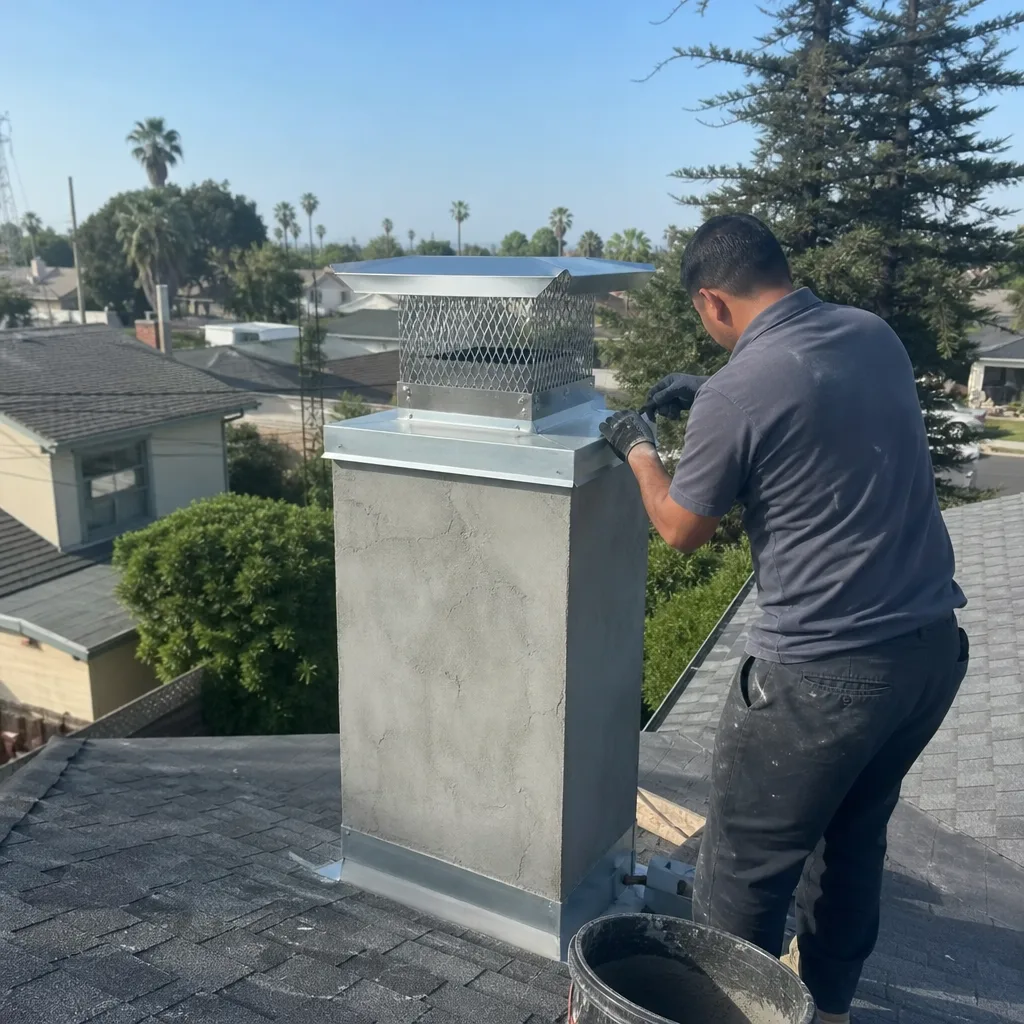 After
After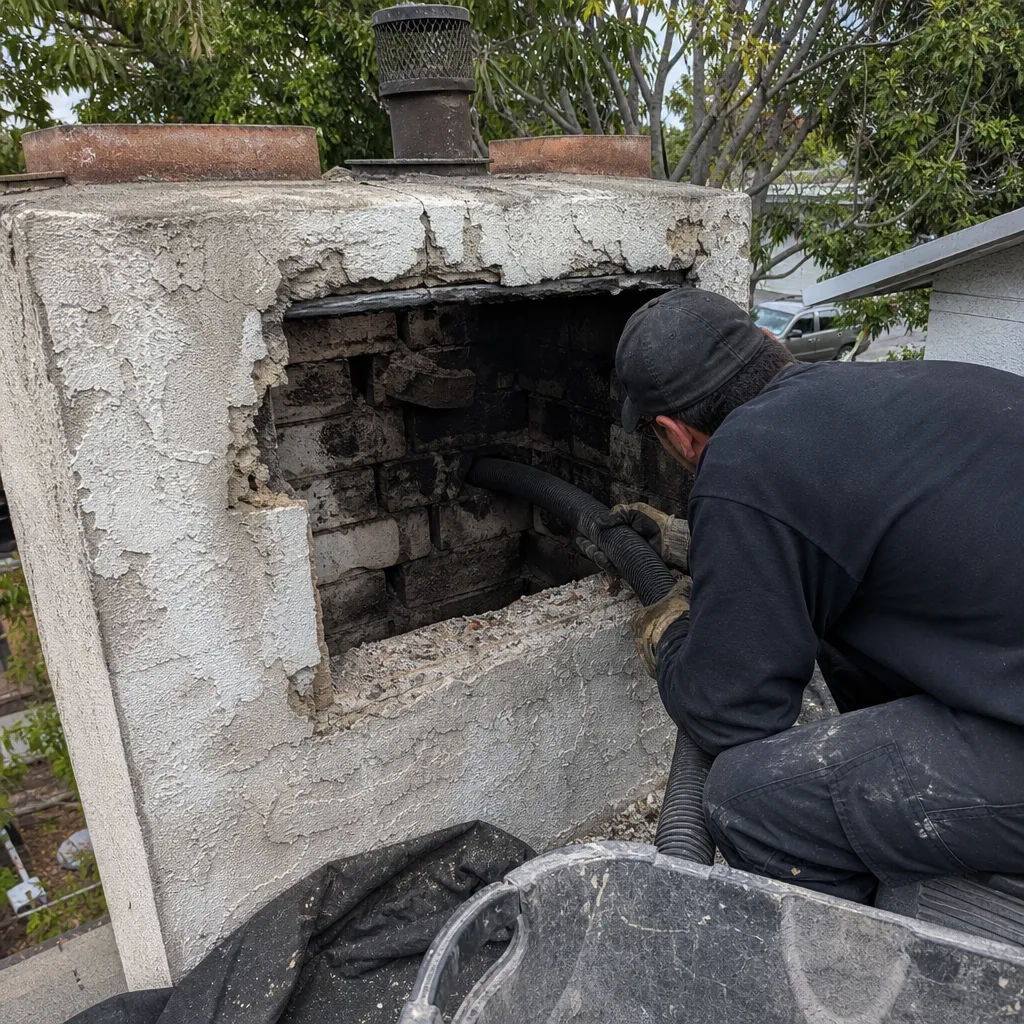 Before
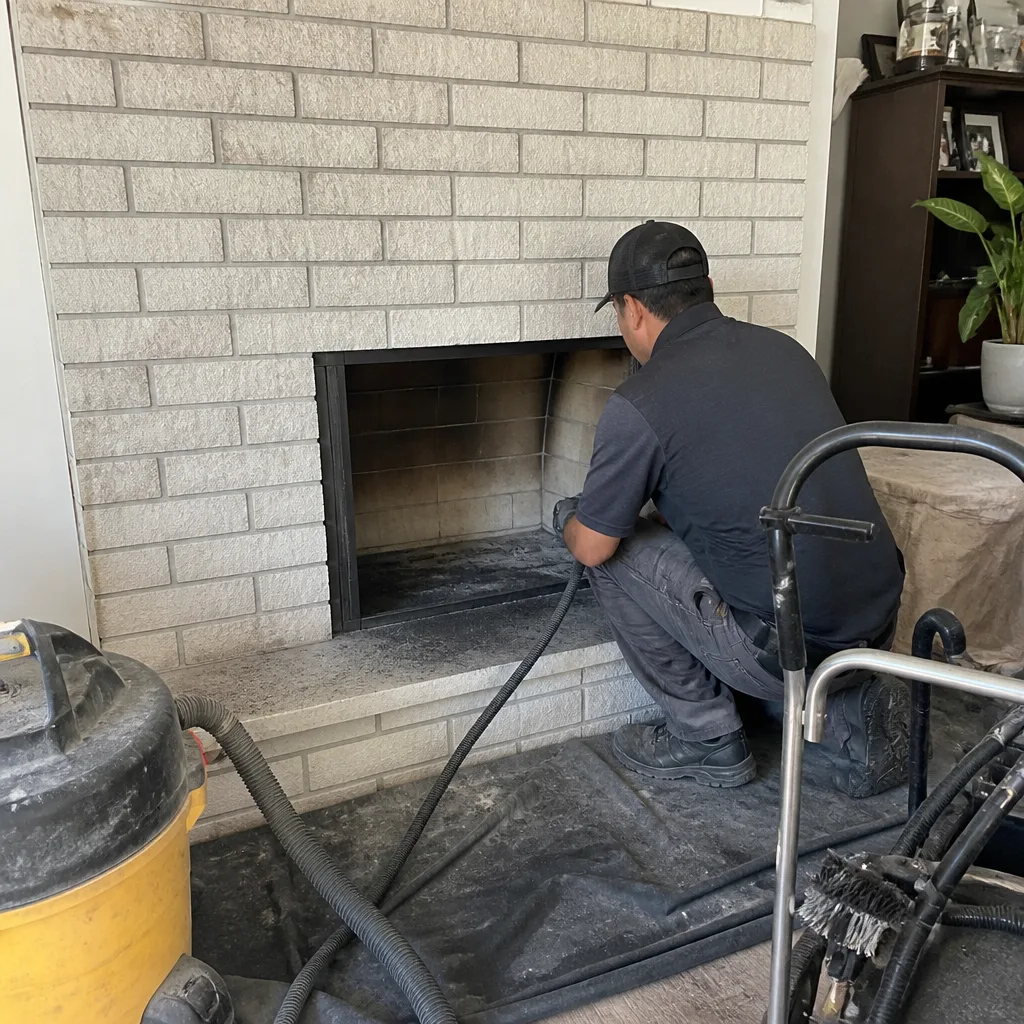 After
AfterCreosote Removal in Long Beach, CA
Creosote removal in Long Beach typically costs between $250 and $600 for a standard single-story home, and most jobs are completed in under two hours. Creosote is the tar-like residue that builds up inside your chimney every time you burn wood, and it’s the leading cause of chimney fires in Southern California homes. Flint Chimney Co Long Beach removes creosote at every stage, from light Stage 1 soot to the hardened, glazed Stage 3 deposits that require rotary cleaning. If you’re seeing black flakes in your firebox or smell a sharp, campfire-like odor even when no fire is burning, call us at (562) 317-7262 and we’ll give you a written price before any work begins.
Our Chimney Cleaning & Sweep in Long Beach page covers the full sweep process. This page focuses specifically on creosote: what it is, when it’s dangerous, how we remove it, and what you should expect to pay in Long Beach.
Key Takeaways
- Creosote removal in Long Beach runs $250 to $600 for most homes; glazed Stage 3 creosote costs more due to the rotary equipment and time involved.
- Creosote is a fire hazard at every stage, not just Stage 3. The National Fire Protection Association says clean your chimney once creosote reaches 1/8 inch thick.
- Long Beach’s marine layer means cooler, damper burn conditions – which accelerates creosote accumulation compared to inland cities.
- Flint Chimney Co Long Beach gives you a written price before any work starts and backs every removal with the 365-Day Done Right Promise.
- We answer the phone live, 24/7. Call (562) 317-7262 for a free estimate.
When You Need Creosote Removal
You don’t need a chimney fire to justify creosote removal. Here are the specific signs Long Beach homeowners call us about, from the Naples canals to Bixby Knolls:
- Black, shiny residue on the chimney walls. If you shine a flashlight up your flue and see a tar-like coating that looks like dried molasses, that’s glazed creosote. It’s hardened and highly flammable, and a standard brush won’t touch it.
- A sharp, asphalt-like odor that gets stronger on humid days. Long Beach humidity, especially in homes near the water in Belmont Shore and Alamitos Beach, makes creosote smell more pungent. If you notice it when the fireplace isn’t in use, the creosote has built up enough that it’s releasing gases.
- Visible black flakes falling into the firebox. These are bits of Stage 2 creosote breaking loose from the flue walls. If you see them, you’ve got enough buildup that a fire could ignite it.
- Smoke backing into the room. Creosote narrows the flue opening, which restricts airflow. If smoke doesn’t draw properly up the chimney, the restricted passageway from creosote buildup is a common culprit.
- It’s been more than a year since your last sweep. Even if you burn seasoned wood and have a good draft, creosote accumulates with every fire. Homes in Long Beach that burn wood two to three times per week during winter typically need annual removal.
- You bought a house and don’t know when it was last cleaned. Many Long Beach homes are older – Spanish revival houses in California Heights, mid-century ranches in Los Altos – and their chimneys may not have been serviced in years. A creosote check should be part of any move-in.
Our Creosote Removal Process
We follow the same documented process on every job in Long Beach, from a one-story bungalow in Rose Park to a larger home in El Dorado Park Estates. Here’s what happens when you call:
- We quote a written price. Before any tool comes off the truck, you get a written price based on the creosote stage, flue height, and accessibility. The number on the invoice is the number you approved. Live phone coverage means someone answers when you call, 24/7.
- We lay down protection and set up. Drop cloths cover your floors and hearth. Our technician runs a HEPA-filtered vacuum to keep soot and creosote dust out of your living space. We wear uniforms and arrive within the window we gave you.
- We identify the creosote stage. Using a camera inspection, we document the type and depth of creosote: Stage 1 (flaky soot), Stage 2 (crunchy tar flakes), or Stage 3 (hard, glazed coating). The stage determines the removal technique.
- We remove the creosote. For Stage 1 and Stage 2, we use a correctly sized wire brush matched to your flue dimensions. For Stage 3 glazed creosote in Long Beach homes, we use a rotary cleaning system with a chain head that breaks through the hardened glaze, then finish with chemical treatment if needed.
- We show you the result. After the removal, we run the camera again so you can see the flue walls. You’ll see before and after images yourself – no mystery about what we did or didn’t do.
- We document everything. You get a written record of the creosote stage found, the work performed, and the condition of your flue. This is part of The Garrison Standard – every Garrison Partners location operates on the same code of documented commitments.
Creosote Removal Pricing in Long Beach
Here’s what creosote removal costs in Long Beach, based on the jobs we’ve done in neighborhoods across the city:
| Service | Typical Price Range | What’s Included |
|---|---|---|
| Stage 1 creosote removal (standard sweep) | $250 – $350 | Wire brush cleaning, HEPA vacuum, camera inspection |
| Stage 2 creosote removal | $300 – $475 | Aggressive brushing, HEPA vacuum, camera verification |
| Stage 3 glazed creosote removal | $450 – $600 | Rotary chain system, chemical treatment (if needed), before/after camera |
| Same-day emergency creosote removal | $400 – $650 | Priority dispatch, full removal, written report |
Several factors move the price. Flue height matters – a two-story home in Los Altos costs more than a single-story in Wrigley because of ladder setup and additional rod sections. A severely glazed flue takes more time and rotary passes. If your chimney hasn’t been cleaned in many years, the first removal may run higher because of the volume of creosote. And if the creosote buildup has caused damage – cracked flue tiles, for example – we’ll document it and give you a separate written quote for repair using professional-grade materials like Olympia Chimney or Copperfield flue components.
Every estimate is free, and it’s a written number, not a ballpark guess. Call (562) 317-7262 and we’ll schedule a time that fits your calendar.
Why Long Beach Homes Accumulate Creosote Faster
Long Beach sits in a marine-layer microclimate that changes how chimneys behave. The air coming off the Pacific is cooler and denser than inland air, which means homeowners in Long Beach often start fires earlier in the season and burn them longer. Those cooler, longer burns produce incomplete combustion – and incomplete combustion produces creosote. Homes in Belmont Heights and Naples, close to the water, deal with more humid outdoor air that seeps into the flue and condenses on creosote deposits, hardening them faster into Stage 2 and Stage 3.
This same marine influence means what works in Riverside or Rancho Cucamonga doesn’t necessarily translate to Long Beach. An inland chimney might get by with a standard sweep every 18 months. A Long Beach chimney that burns wood regularly through winter often needs removal every 12 months, sometimes sooner if the homeowner burns unseasoned wood or uses the fireplace as a primary heat source.
Older construction is also a factor. Many Long Beach homes built in the 1940s and 1950s have unlined or clay-tile-lined flues. Clay tile is harder to clean thoroughly than stainless steel because creosote grips the porous surface. If you live in a Spanish-style home in California Heights or a craftsman in Rose Park, you may be dealing with a flue that needs more aggressive brushing to get creosote fully off the walls.
What Creosote Does to Your Chimney
Creosote isn’t just a fire hazard. Left in place, it chemically degrades the flue liner. Creosote is acidic. Over time, that acidity eats into mortar joints and clay tiles, which leads to gaps in the flue – and gaps let heat and gases escape into the chimney chase or wall cavities. We’ve pulled creosote out of Long Beach chimneys where the buildup was so thick it was flaking off in sheets, and behind those sheets the mortar had already started to fail.
The home page of our site spells out the full scope of our chimney services, but the short version is this: creosote removal is genuinely a job for a trained professional. The creosote inside your flue is flammable, and the process of removing it involves working on your roof with the right equipment and fall protection. If high-tension work, steep-roof access, or chemical treatments are involved, don’t attempt this yourself – a chimney fire is not the worst possible outcome; a fall is.
FAQs – Creosote Removal
How much does creosote removal cost in Long Beach?
Creosote removal in Long Beach typically runs between $250 and $600, with most homes falling in the $300 to $450 range. Stage 1 and Stage 2 creosote can be removed with standard brushes and cost $250 to $475; glazed Stage 3 creosote requires rotary equipment and costs $450 to $600. The only way to get an exact number is to have us inspect the chimney – and that estimate is free. Call (562) 317-7262 for a written quote.
Can you remove glazed creosote the same day?
Yes, we can typically remove glazed creosote the same day in Long Beach if we’re dispatched for that issue. Stage 3 glazed creosote requires a rotary chain cleaning system, which our technicians carry on every truck. Same-day emergency removal runs $400 to $650, and we’ll give you the written price before we start.
Is creosote removal the same as a chimney sweep?
Creosote removal is the core part of a chimney sweep, but not every sweep addresses heavy creosote buildup. A standard sweep removes Stage 1 soot and light creosote. If you have thick or glazed creosote, you need a specific removal process – rotary cleaning, possibly chemical treatment – which goes beyond a basic sweep. At Flint Chimney Co Long Beach, every sweep includes creosote removal appropriate to what we find in your flue.
How often should creosote be removed in Long Beach?
For most Long Beach homeowners who burn wood during winter, creosote removal should happen once a year. Homes very close to the water or households that burn unseasoned wood may need removal every six months. The National Fire Protection Association recommends a cleaning once creosote deposits reach 1/8 inch thick, regardless of time. We’ll tell you after each visit whether your burn habits suggest a shorter interval.
What We Use and Why It Matters
We specify professional-grade chimney materials and equipment by job, not by margin. For flue repairs that follow creosote removal – when the acidic buildup has damaged the liner – we install stainless steel systems from Olympia Chimney and Copperfield, and we use Famco components where the project calls for them. These are brands with documented performance histories, which means you can verify what we’re putting in your chimney independently. Every repair carries our 365-Day Done Right Promise: a written guarantee good for one full year from the service date, with a free return visit if a covered repair fails within that period.
The Garrison Standard is how we run the business side of this. It’s the operating code for every Garrison Partners location, and it means three things on every creosote removal job in Long Beach: a written price before we begin, a background-checked and uniformed technician on arrival, and a documented record of the work after we’re done. No exceptions.
Written by Hank Delano, Owner at Flint Chimney Co Long Beach, serving Long Beach.