
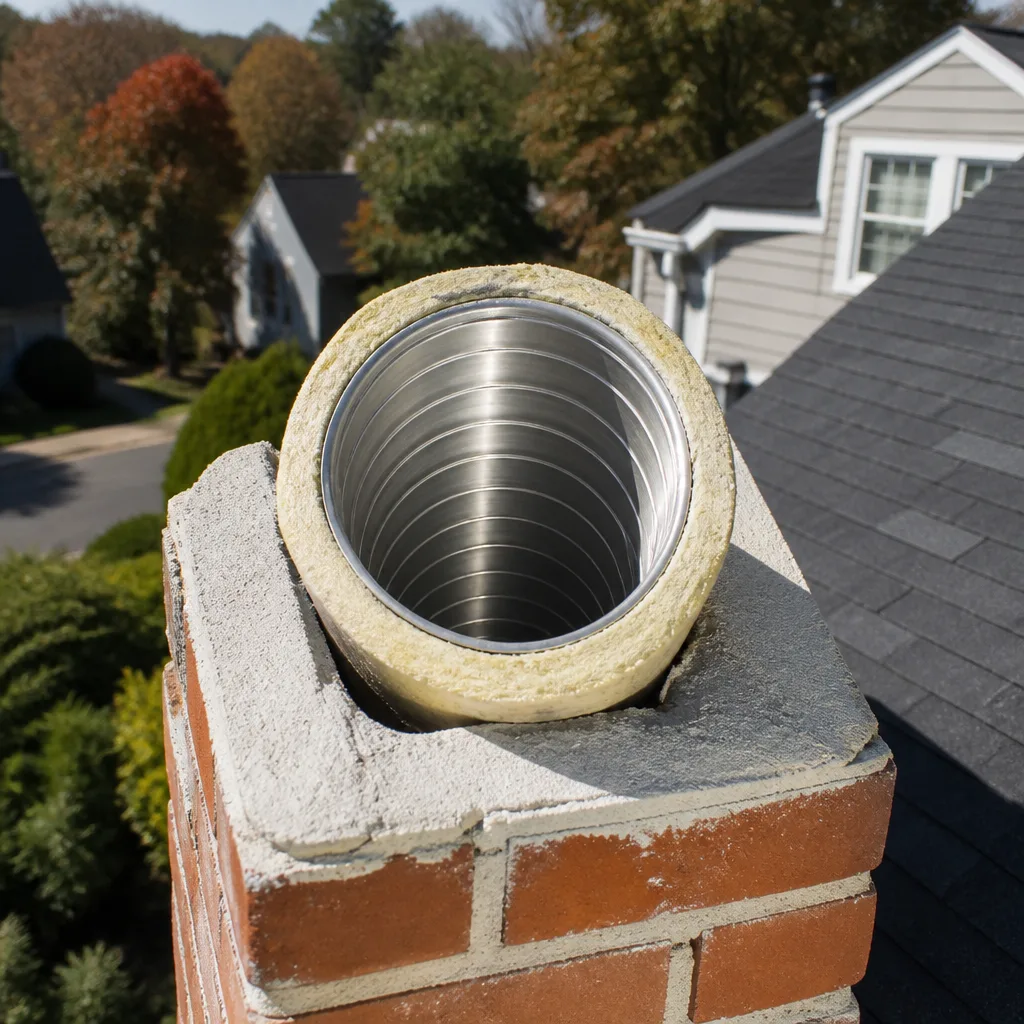
 Flue relining
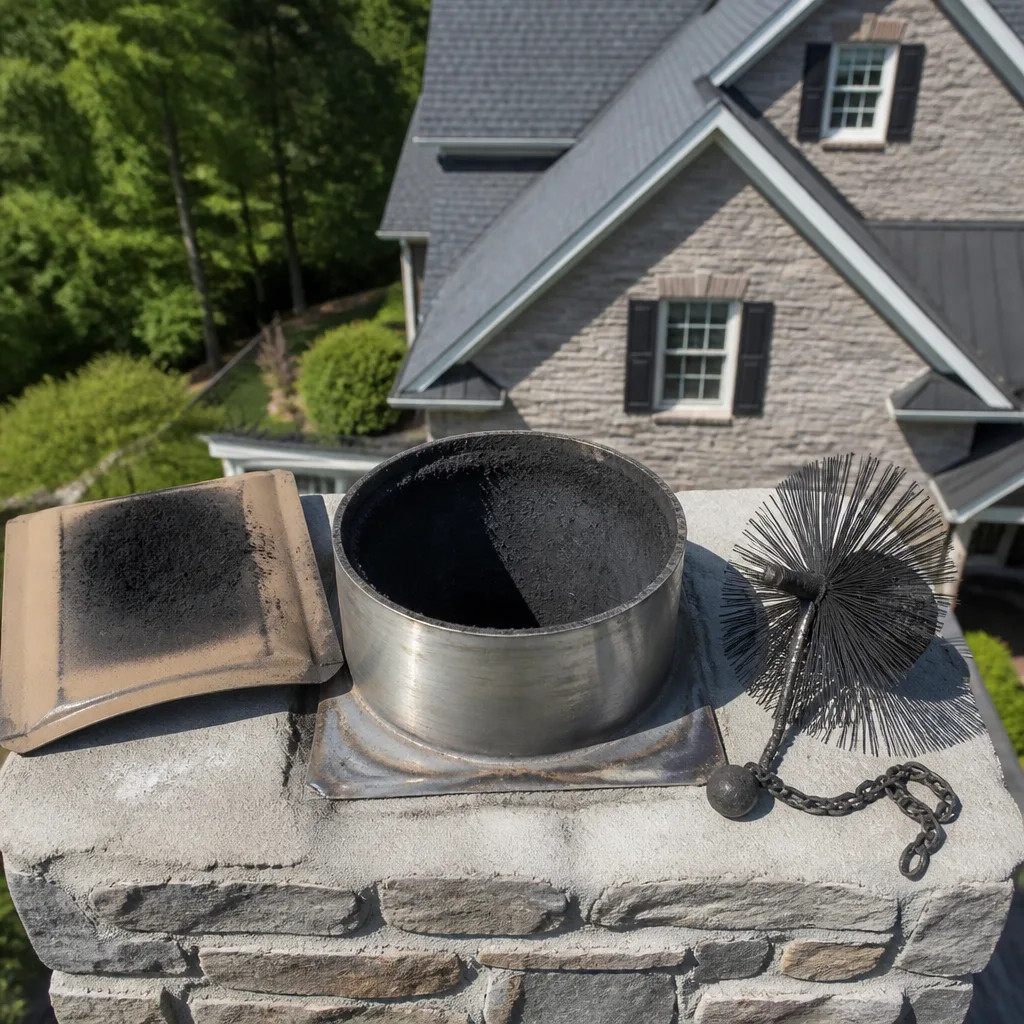 Sweep & inspection
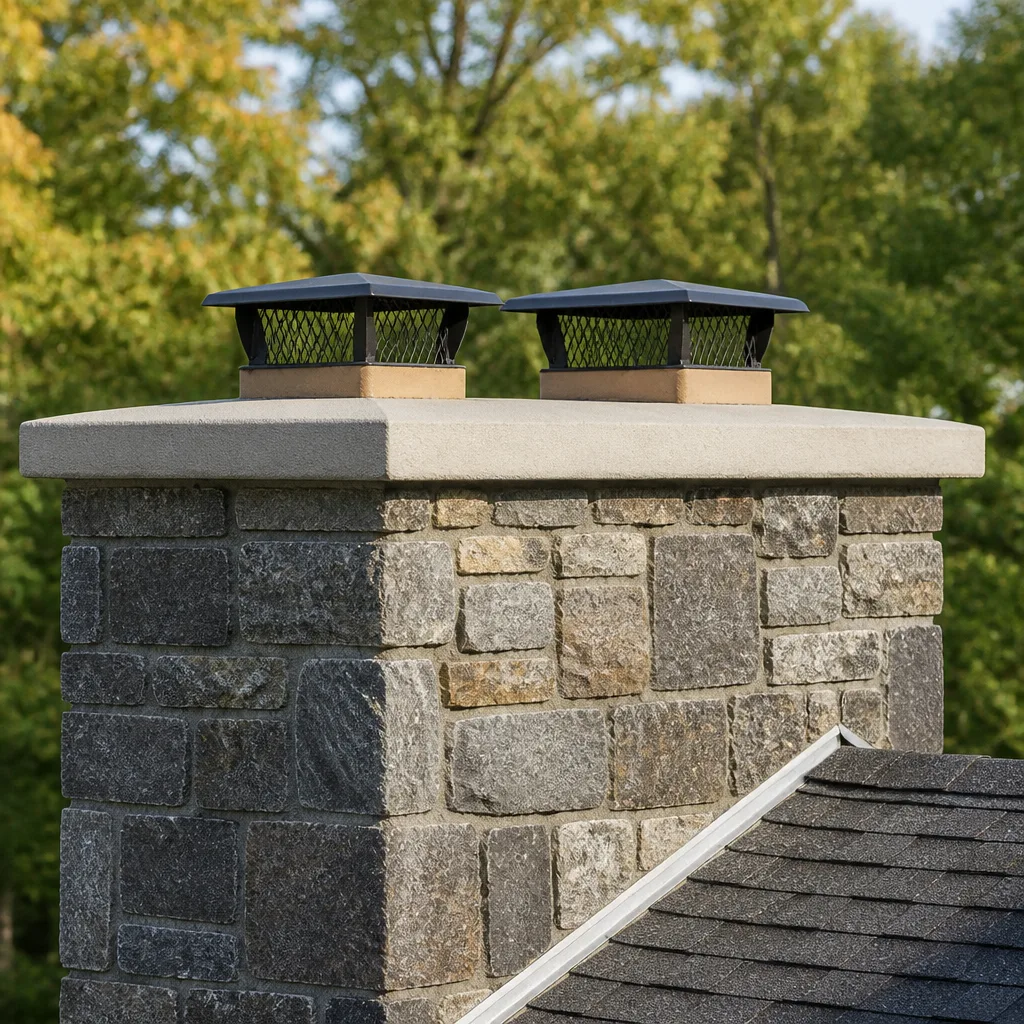 Caps & crowns
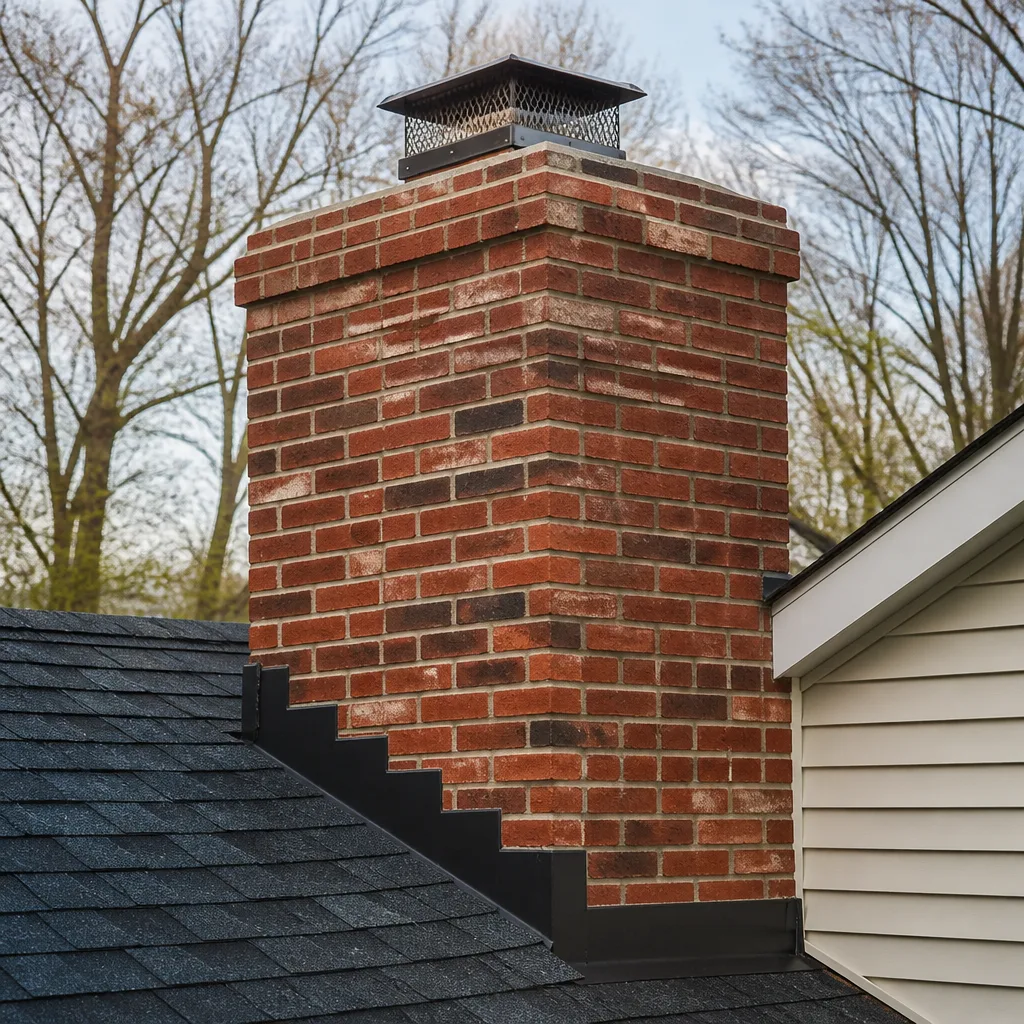 Masonry repair
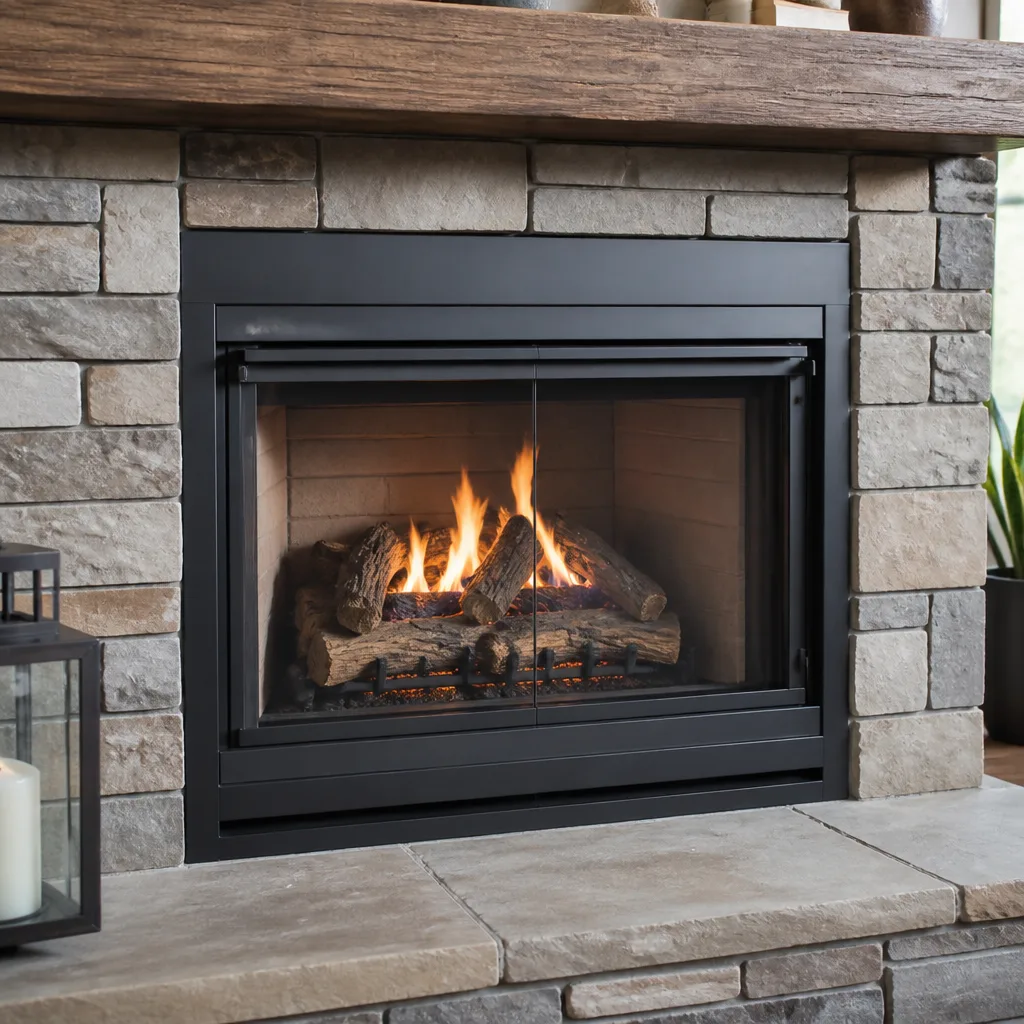 Gas fireplace service
Level 1 sweep and inspection to the NFPA 211 annual standard - flue, crown, cap, and flashing checked and photographed
Chimney sweep logs do not sweep chimneys. They loosen some creosote - which then falls where a brush and vacuum still have to collect it.
HeatShield Flue Liner Replacement: The Long Beach Owner’s Guide
A HeatShield flue liner replacement in Long Beach typically runs $1,800 to $3,400 installed, depending on the liner length, diameter, and the chimney’s access situation. We stock HeatShield cerfractory material on the truck and can complete most liners in a single day. Most owners find out their HeatShield liner has failed during an annual inspection, after noticing fine ceramic dust collecting in the firebox, or when a Level 2 camera scan shows cracks and spalling in the cerfractory surface. The liner is the inside surface of your flue that channels heat and smoke out of the house. When it breaks down, the flue’s job falls apart with it.
HeatShield is a poured-in-place cerfractory material, not a rigid metal pipe. That distinction matters more than most homeowners realize. A metal liner comes in sections. HeatShield gets mixed and pumped into the flue, where it cures into a single ceramic surface. It’s a repair product designed to restore an existing flue rather than replace it entirely. When HeatShield fails, it’s usually not the material itself but the bond between the cerfractory and the original flue surface that’s given way. Here in Long Beach, we see this more often in older chimneys near the coast, where salt air works on the exterior masonry while decades of thermal cycling have stressed the interior surface. Flint Chimney Co Long Beach is an independent service provider and not affiliated with HeatShield, but we’ve installed and replaced enough of their product across Long Beach to know exactly what to look for.
Which HeatShield Models This Applies To
HeatShield is sold as a system rather than a series of distinct model numbers. The material is the same across applications; what changes is the flue size, the substrate it’s bonded to, and the level of repair. You’ll see references to HeatShield Level 1, Level 2, and Level 3. Level 1 is a thin skim coat applied to a structurally sound flue. Level 2 fills voids and seals minor cracks. Level 3 is the full resurfacing job, used when the existing liner has deteriorated to the point where a complete interior rebuild is the only option. The replacement decision comes down to which level was originally installed and what the camera now shows.
The compatibility gotcha most Long Beach homeowners don’t know: HeatShield bonds to the existing flue liner, which means the original underlying liner has to be worth saving. If the original clay tile liner has shifted, collapsed, or separated at the joints, HeatShield isn’t the right repair, and you’d be better served with a rigid reline using a product like DuraFlex or Gelco. We look at the camera footage and tell you straight up if HeatShield can be re-poured or if a different system makes more sense. If you have the original installation paperwork, look for the contractor’s job notes showing the flue dimensions and the HeatShield level specified. That tells us most of what we need to match the replacement. If you don’t have it, our Level 2 camera inspection gives us the measurements and the condition report before we quote anything.
Styles & brands we work with
Signs Your HeatShield Flue Liner Replacement Is Failing
Here’s what we typically find when a HeatShield liner starts to go. These are the symptoms, followed by what they actually mean:
- Ceramic dust or grit in the firebox. This is spalling, where the cerfractory surface breaks down and sheds small particles. It’s the most common early sign, and it means the bond is failing somewhere upstream. Don’t sweep it up and ignore it; get a camera in there.
- Visible cracks during an inspection. Hairline cracks can be normal settling, but cracks wider than about 1/16 inch usually mean thermal stress has exceeded what the bond can handle. We photograph every crack and show it to you on the tablet at the job site.
- Flaking around the flue opening at the damper. This is where moisture enters from above and attacks the cerfractory from the surface inward. Coastal Long Beach air accelerates this more than inland climates do.
- Chunks of material sitting at the bottom of the flue. This is past the warning stage. The liner is actively shedding, and the flue now has an uneven interior that can trap creosote and disrupt draft.
- A heavier-than-usual creosote buildup in one season. When the liner surface roughens, smoke spends more time swirling against it, and creosote accumulates faster. If you burn regularly in Belmont Heights or the Naples area and you’re suddenly seeing thick, glazed buildup, the liner surface is probably no longer the smooth surface it once was.
See the difference
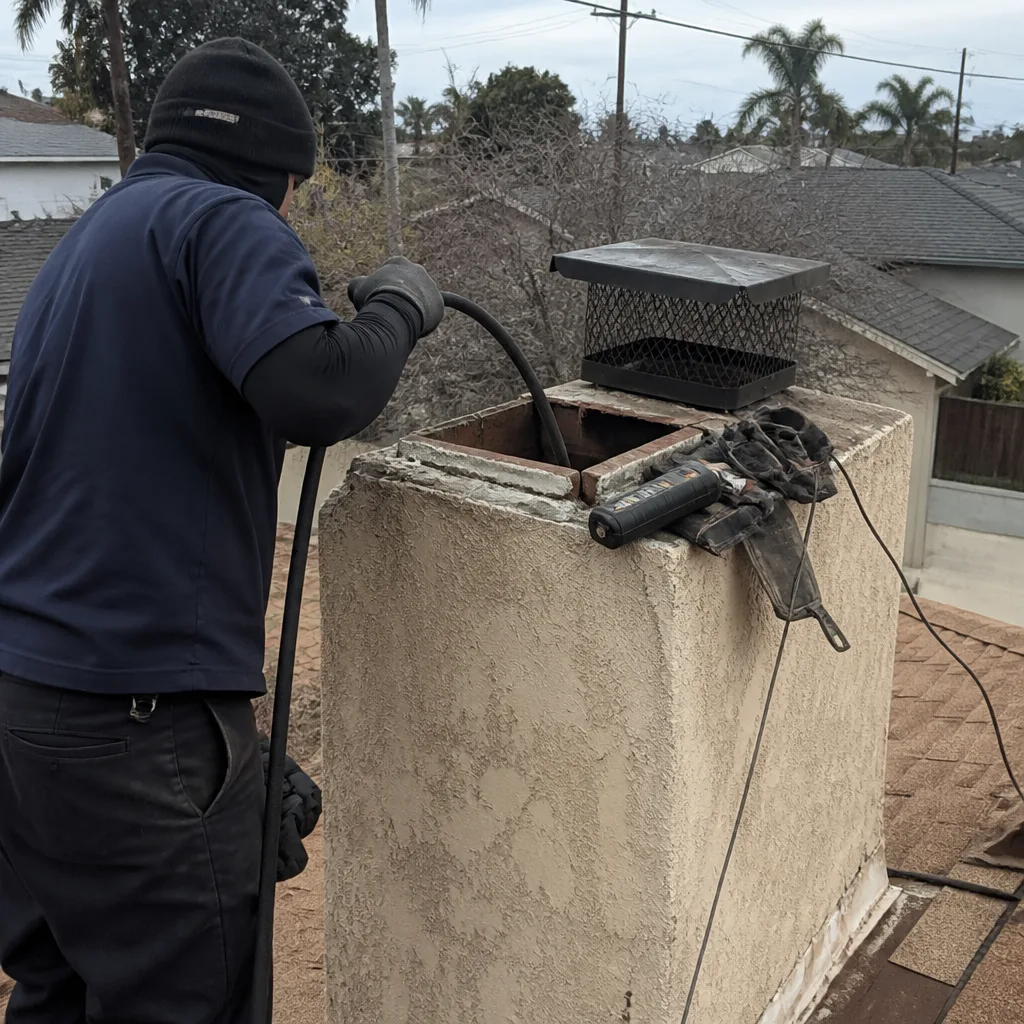 Before
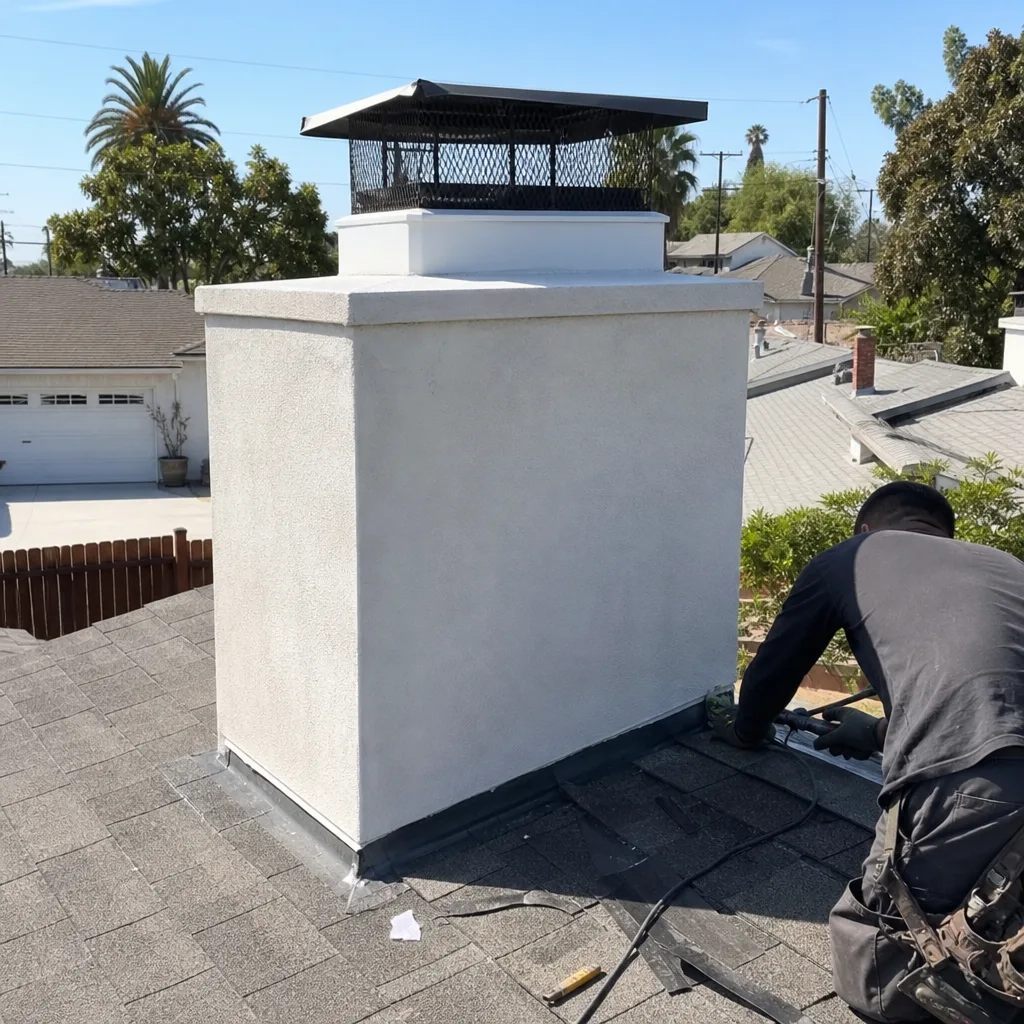 After
After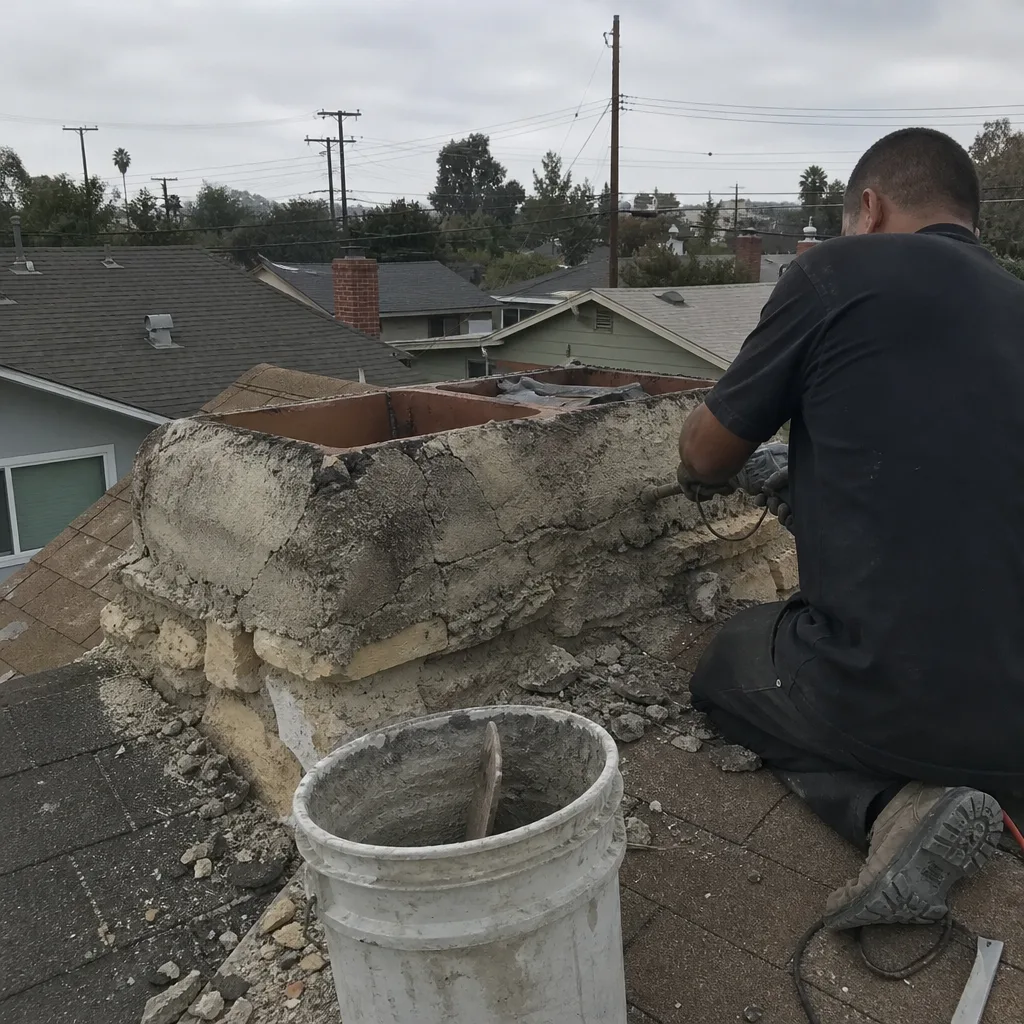 Before
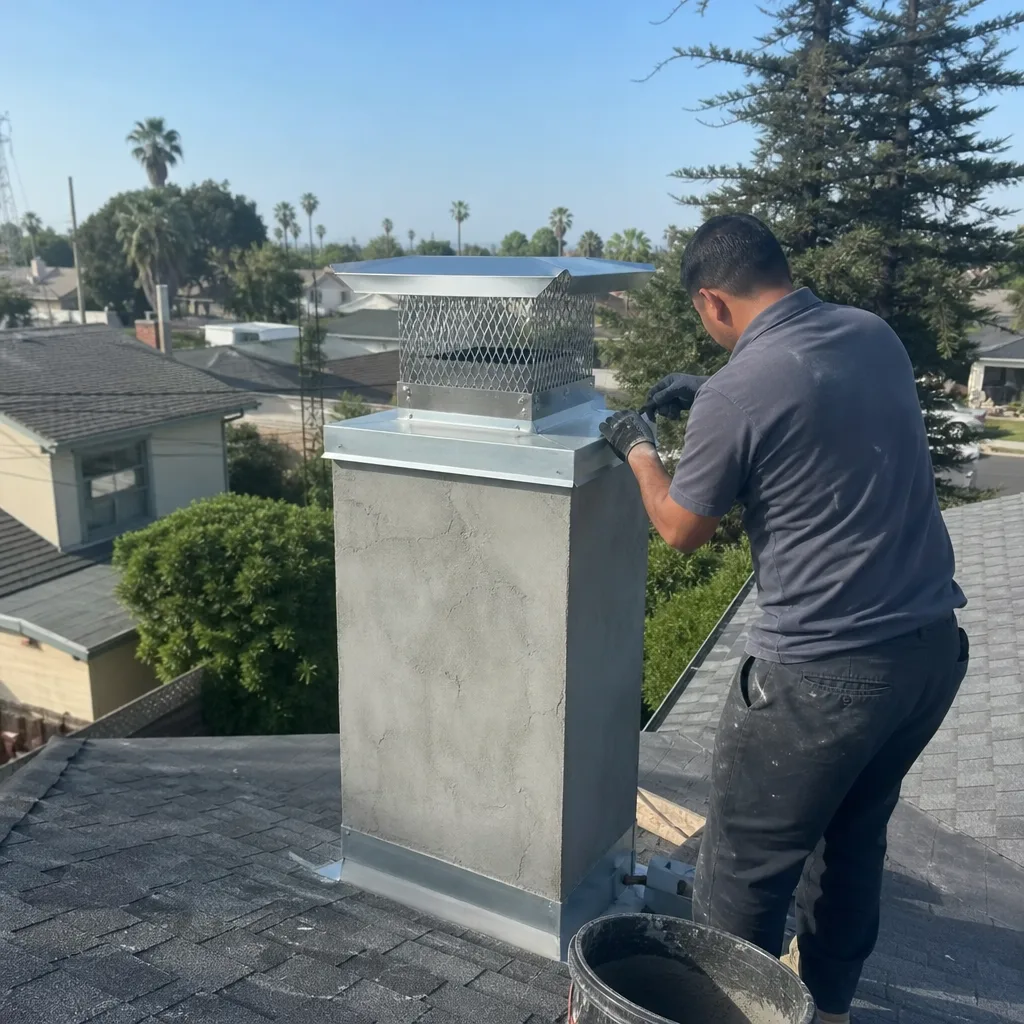 After
After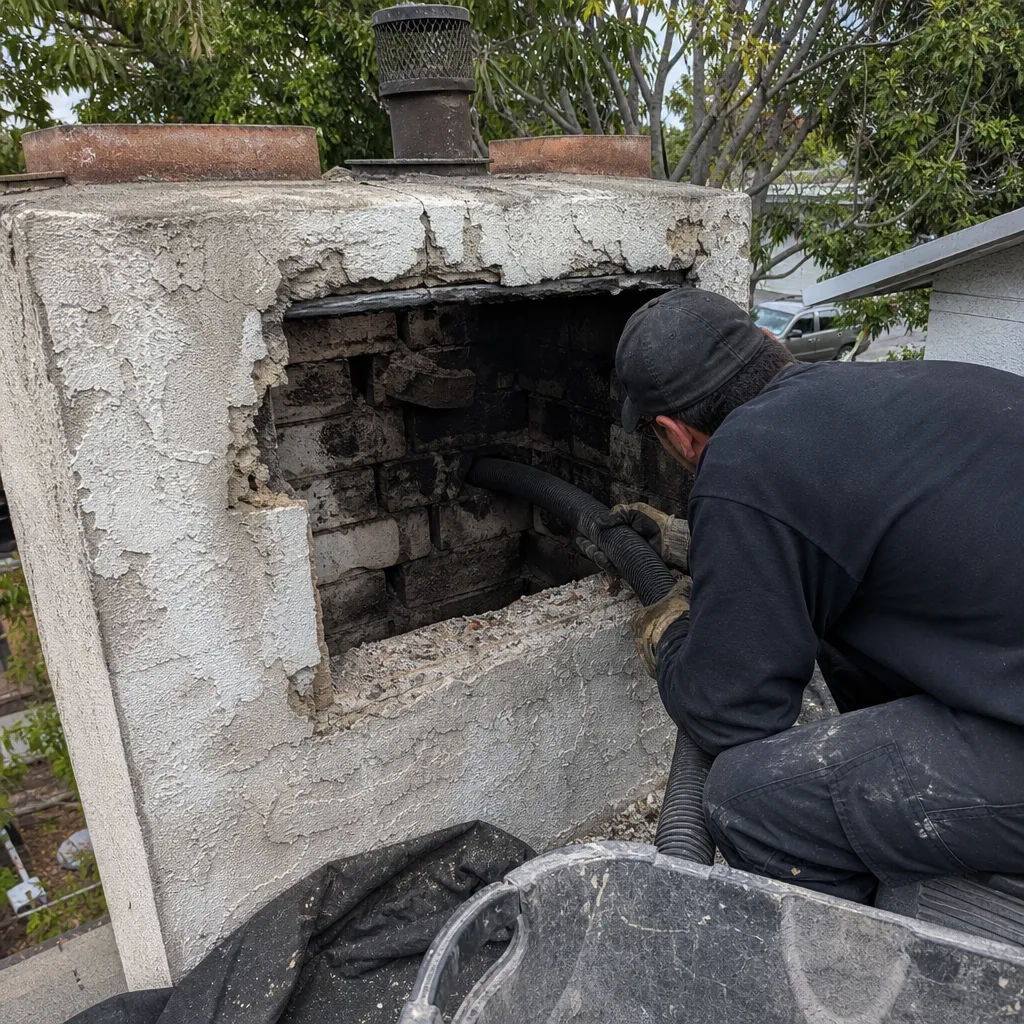 Before
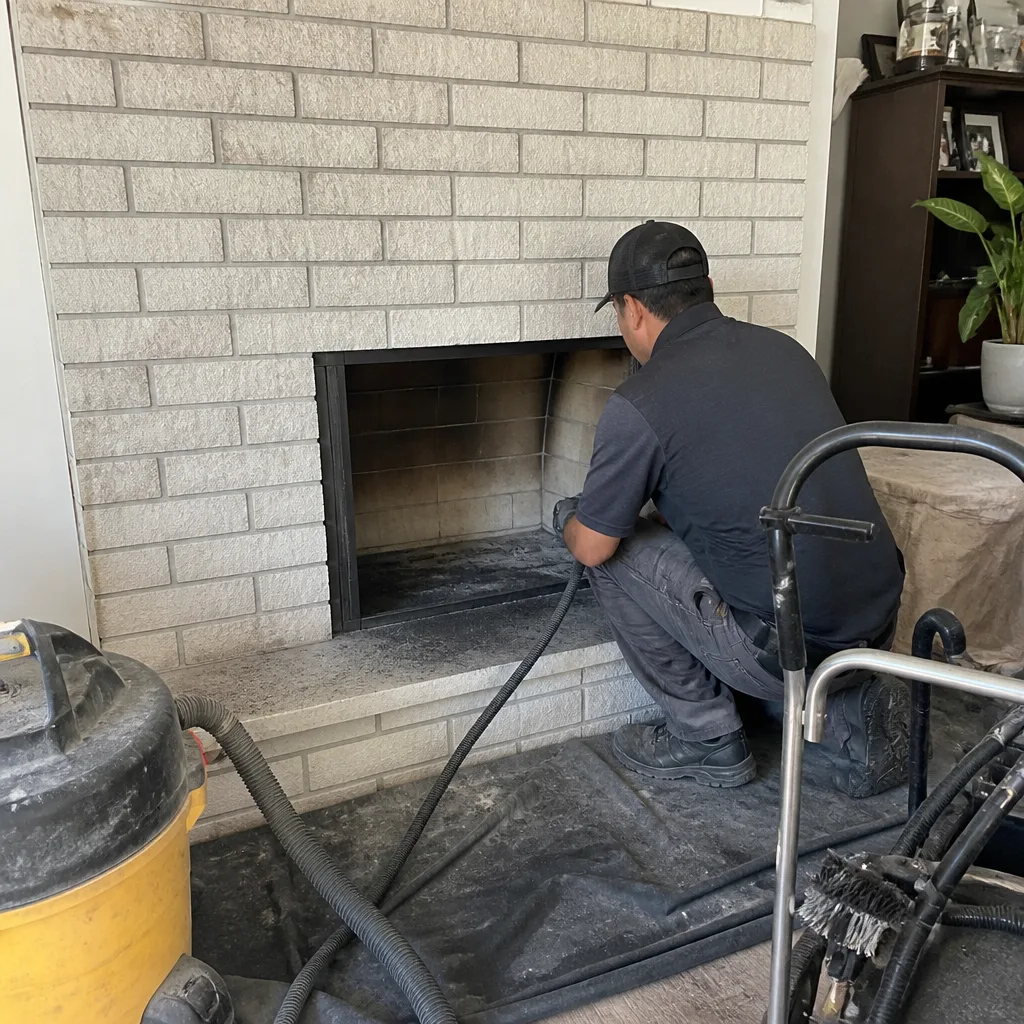 After
AfterReplacement Cost & What’s Included
A HeatShield flue liner replacement in Long Beach typically prices out between $1,800 and $3,400. The range gets driven by a few things: the height of the flue, the diameter, how much of the old cerfractory has to be removed before re-pouring, and whether roof access requires extra rigging. A single-story fireplace on a straightforward roof is going to land on the lower end. A three-story home near the waterfront with a steep tile roof is going to run more. We don’t give every job the same price because every chimney genuinely isn’t the same.
Here’s what that price includes, in writing, before any work starts:
- Full removal of the failing cerfractory surface. We don’t pour new material over a failing bond and call it done.
- HeatShield re-pour at the appropriate level. We order the right amount of material for your flue’s exact dimensions, not a one-size guess.
- Camera inspection after curing. You see the finished liner on screen before we pack up.
- The 365-Day Done Right Promise. Every repair we make has a written guarantee, and if a covered repair fails within one full year, we return at no charge. No argument, no re-quote.
And the price you approve is the price on the invoice. That’s the whole point of the way we work, and it’s part of the Garrison Standard we operate under. Hank Delano has been doing this long enough to know that the only honest price is the one written down before the first tool comes off the truck.
DIY or Call Us?
There is no safe DIY version of a flue liner replacement. This is not a cleaning job or a minor patch. The liner is the barrier between a live chimney fire and the combustible materials inside your walls. When that barrier is compromised, you’re one hot fire away from a chimney fire that can spread into the house. Poured cerfractory material requires a trained technician with the right mixing and pumping equipment, and it has to be applied in a flue that’s been properly cleaned and prepped first. Get this wrong and you don’t have a dud repair; you have a hidden fire hazard.
What you can do yourself is check the firebox for grit or flaking material, take photos of anything that looks off, and call us at (562) 317-7262 to schedule a camera inspection. The inspection tells us what’s actually going on in there. If the liner is fine, we’ll tell you it’s fine. If it’s not, we’ll show you the footage and give you a written price. Clean flue, honest report. That’s the whole job.
FAQs
A properly installed HeatShield liner can last 15 to 20 years, but Long Beach’s salt air and the thermal cycling from occasional coastal burning can push the lower end of that range on older chimneys. Annual inspections catch surface breakdown early. Call (562) 317-7262 to schedule a camera check.
Sometimes, yes. If the failing area is limited to a few feet of flue and the surrounding cerfractory still has good bond, we can remove the damaged section and re-pour just that portion. It depends entirely on what the camera shows. Call (562) 317-7262 and we’ll put eyes on it before recommending anything.
Most single-flue HeatShield replacements in Long Beach are completed in one day, including removal, pour, and the post-cure inspection. Larger flues or multi-story access sometimes carry into a second day. We’ll tell you the timeline before the job is booked.
We keep HeatShield cerfractory material on the truck for standard residential flue sizes, along with measurement tools to confirm the right amount before mixing. We also work with DuraFlex and Gelco when a rigid reline is the better call for the flue condition. Call (562) 317-7262 for a free estimate on your replacement.
Written by Hank Delano, Owner, Flint Chimney Co Long Beach at Flint Chimney Co Long Beach, serving Long Beach and nearby areas.