
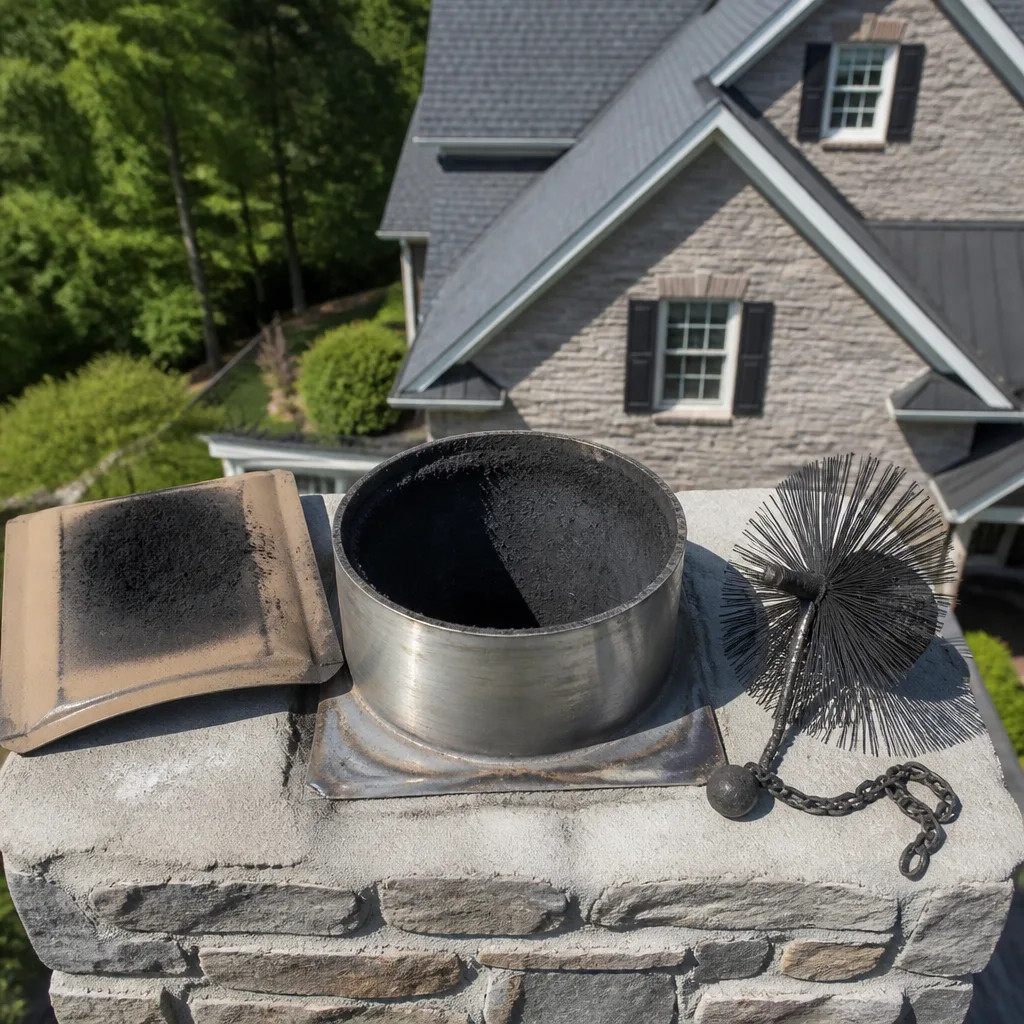
 Sweep & inspection
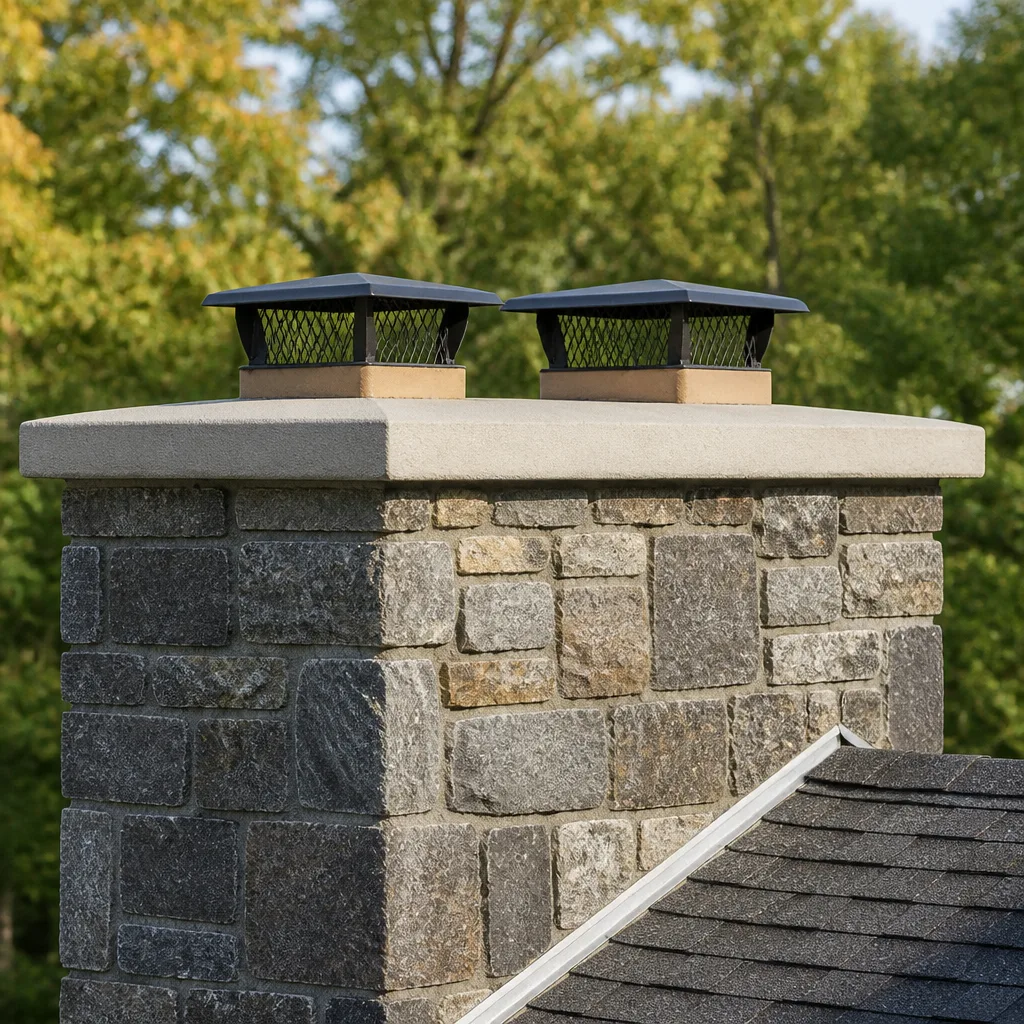 Caps & crowns
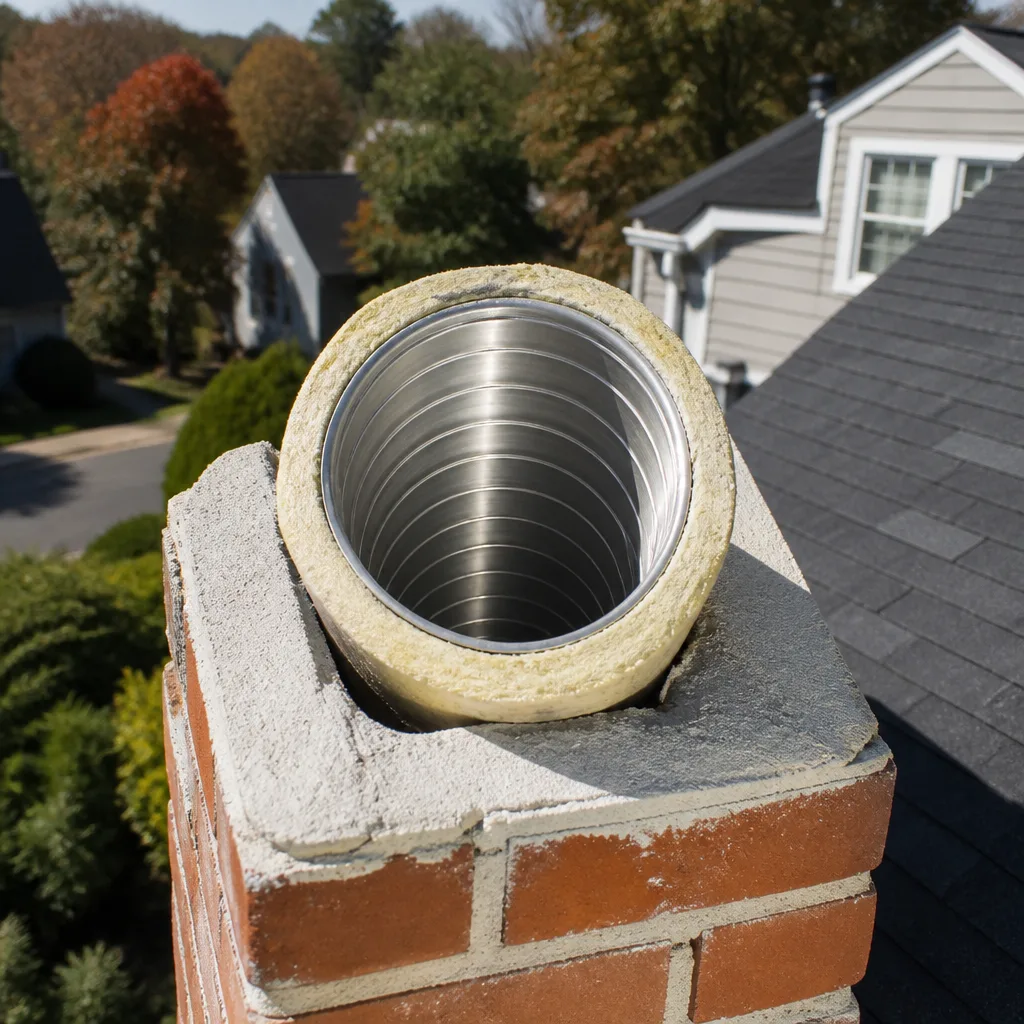 Flue relining
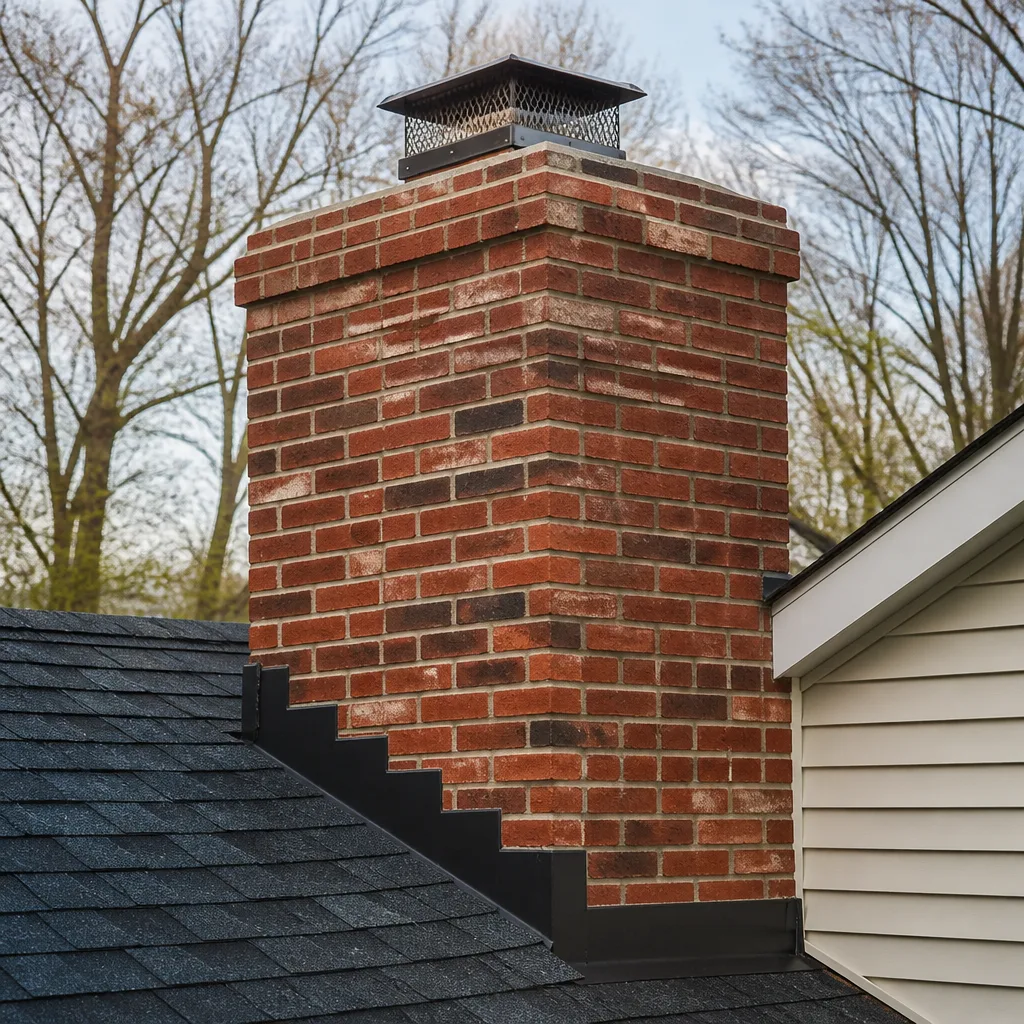 Masonry repair
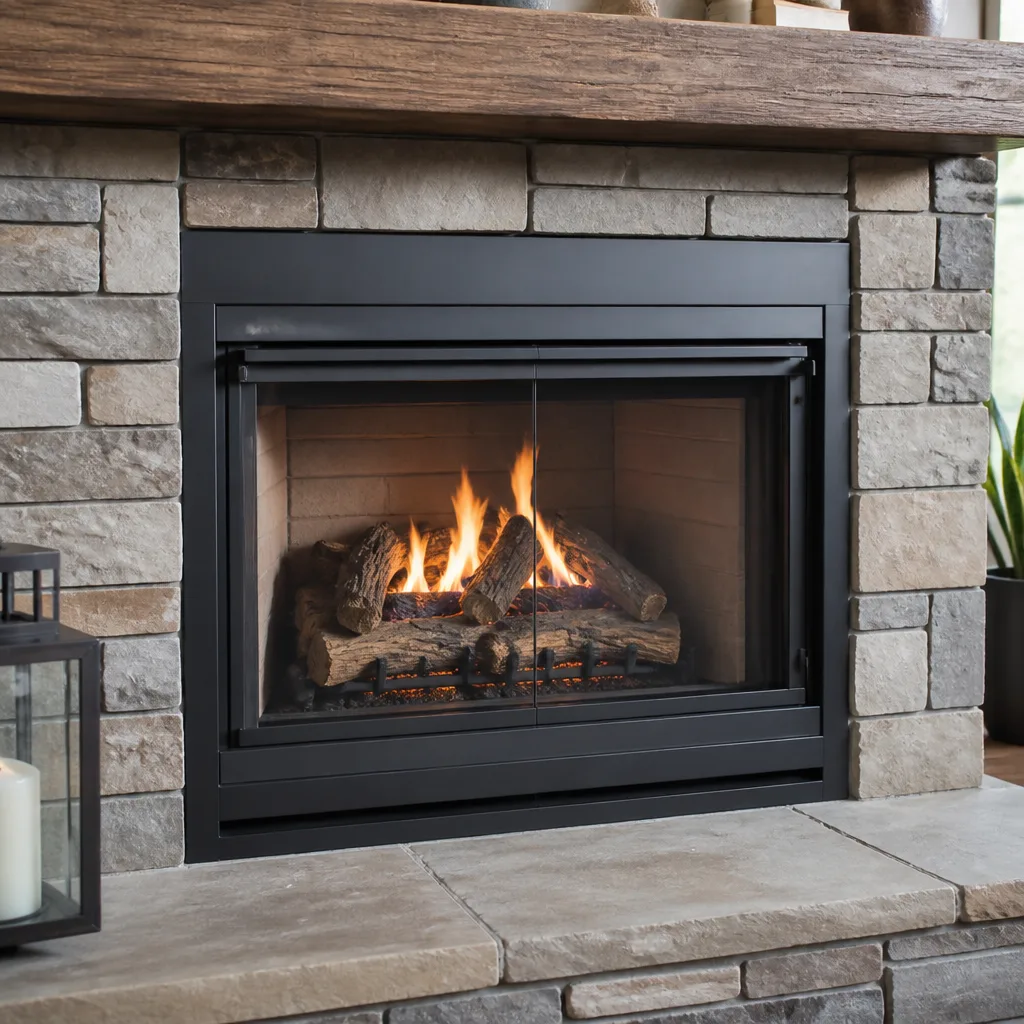 Gas fireplace service
Level 1 sweep and inspection to the NFPA 211 annual standard - flue, crown, cap, and flashing checked and photographed
Chimney sweep logs do not sweep chimneys. They loosen some creosote - which then falls where a brush and vacuum still have to collect it.
HeatShield Chimney Cap Installation: The Long Beach Owner’s Guide
We install HeatShield-compatible chimney caps throughout Long Beach, and a typical cap replacement runs $340 to $680 installed, depending on the flue size and the mounting condition. Most owners discover the cap has failed after a rainstorm, when water starts staining the ceiling near the chimney chase, or when they spot rust flakes on the hearth below. HeatShield caps take serious abuse in Long Beach’s salt air, and once the mounting collar starts to corrode, the cap loosens and stops doing its job.
Which HeatShield Models This Applies To
HeatShield caps are sized by flue dimension, not by a universal part number. The caps we install most often in Long Beach are the standard round and square models built for 6-inch, 8-inch, and 13-inch flue tiles common to masonry chimneys in Alamitos Heights, Bixby Knolls, and Naples. The gotcha: a cap that fits a 13-inch square flue tile will not seat on a 13-inch round flue, and measuring the outside of the tile at the crown is the only reliable way to know which you have. If you have a HeatShield replacement liner system, the cap needs to match the liner diameter rather than the original flue tile, which is a common mix-up we see on homes where relining was done years ago.
We are an independent service provider and are not affiliated with the HeatShield brand. We source HeatShield caps and compatible quality equivalents through our normal trade supply chain, and we’ll tell you plainly which one we’re quoting and why.
Styles & brands we work with
Signs Your HeatShield Chimney Cap Installation Is Failing
- Rust streaks on the crown or chase. The galvanized base collar is usually the first component to go in coastal air. Long Beach’s marine layer keeps surfaces damp for hours after sunrise, and once the zinc coating breaks down, the steel underneath starts shedding rust that runs down the chimney.
- Water in the firebox after rain. A loosened cap lets water run straight down the flue. You’ll see a small puddle or damp ash at the firebox floor, often with a faint mineral smell.
- You can hear the cap rattling in wind. The set screws or mounting bolts have wallowed out, and the cap is rocking against the tile. Long Beach gets enough coastal wind that loose caps work themselves free faster than they would inland.
- Debris or nesting material inside the flue. A cap with a bent or missing spark arrestor screen stops keeping birds out. If you hear scratching or notice twigs falling onto the damper, the screen mesh around the HeatShield cap has been compromised.
- The cap is visibly tilted or missing from the ground. If you can see daylight or an uneven silhouette from your yard, the mounting point has failed. At that stage the flue is completely exposed.
See the difference
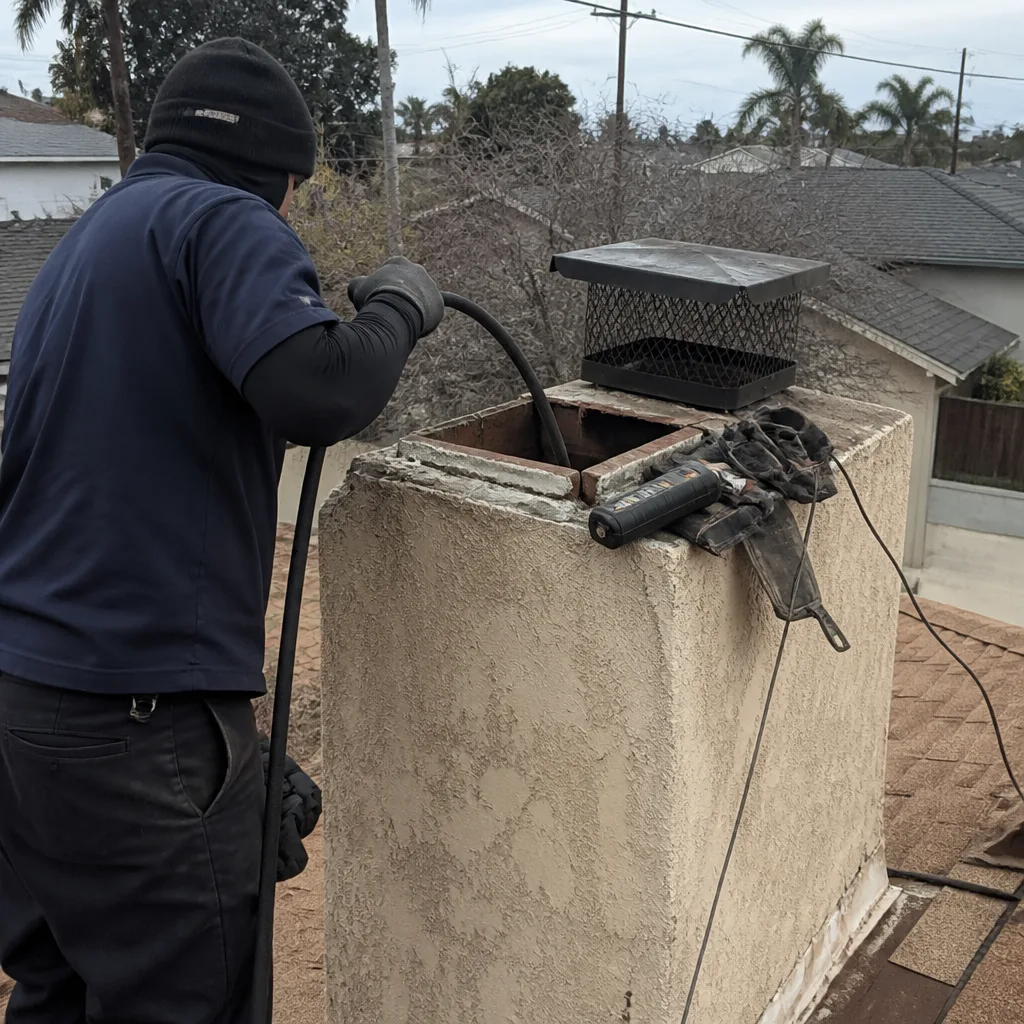 Before
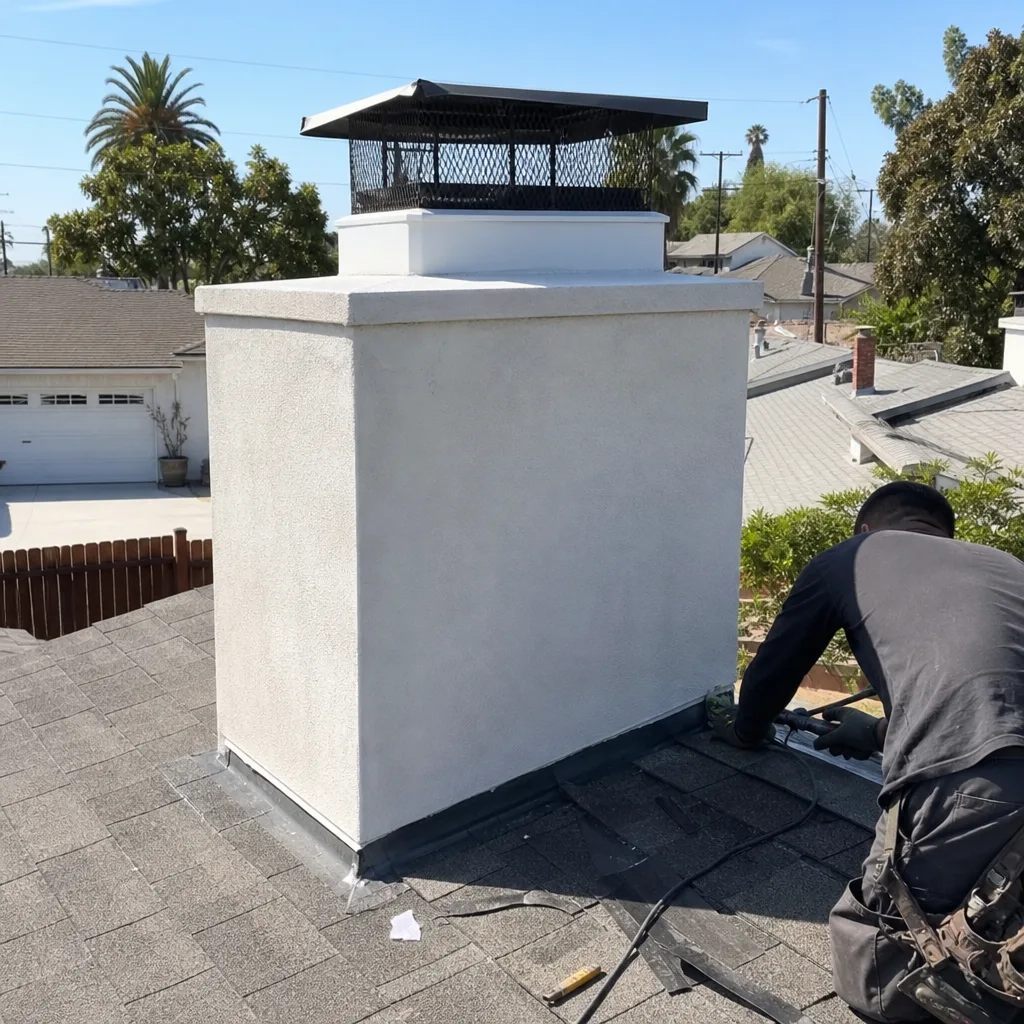 After
After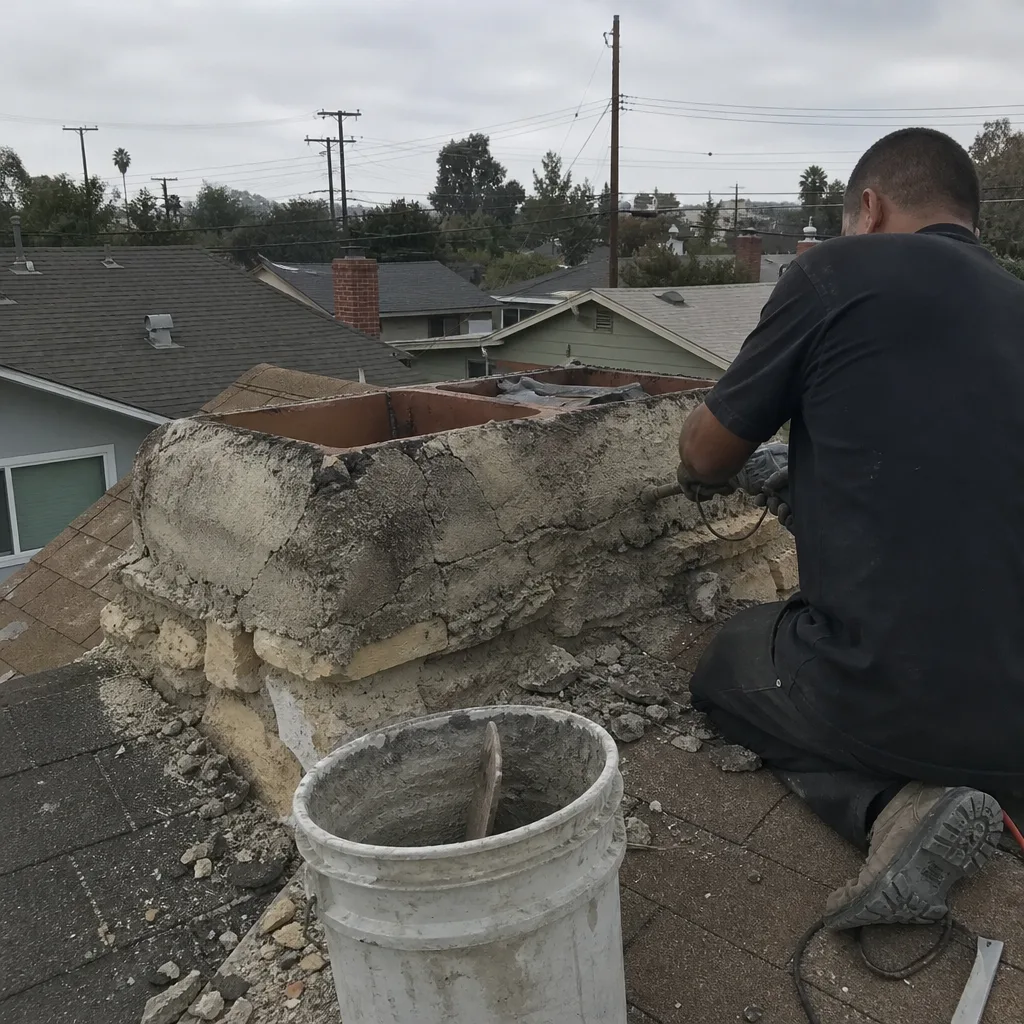 Before
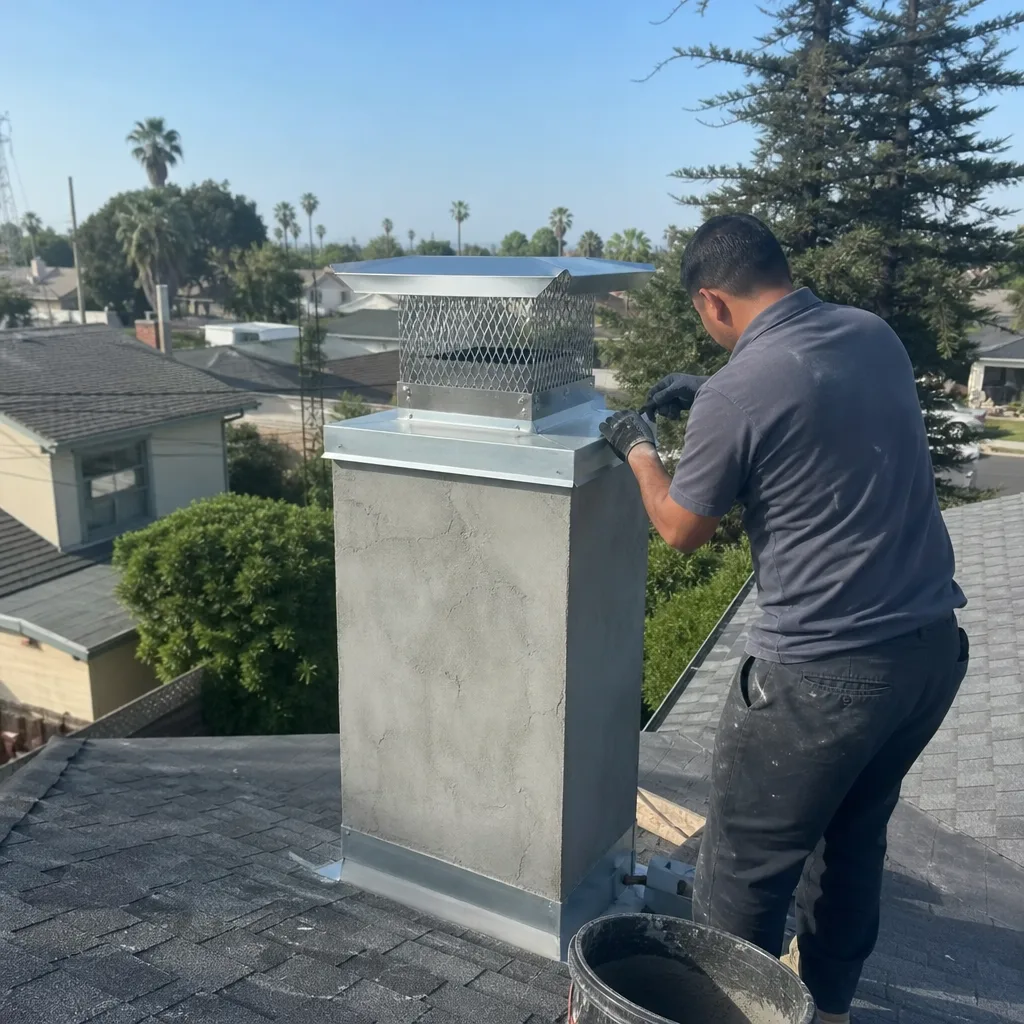 After
After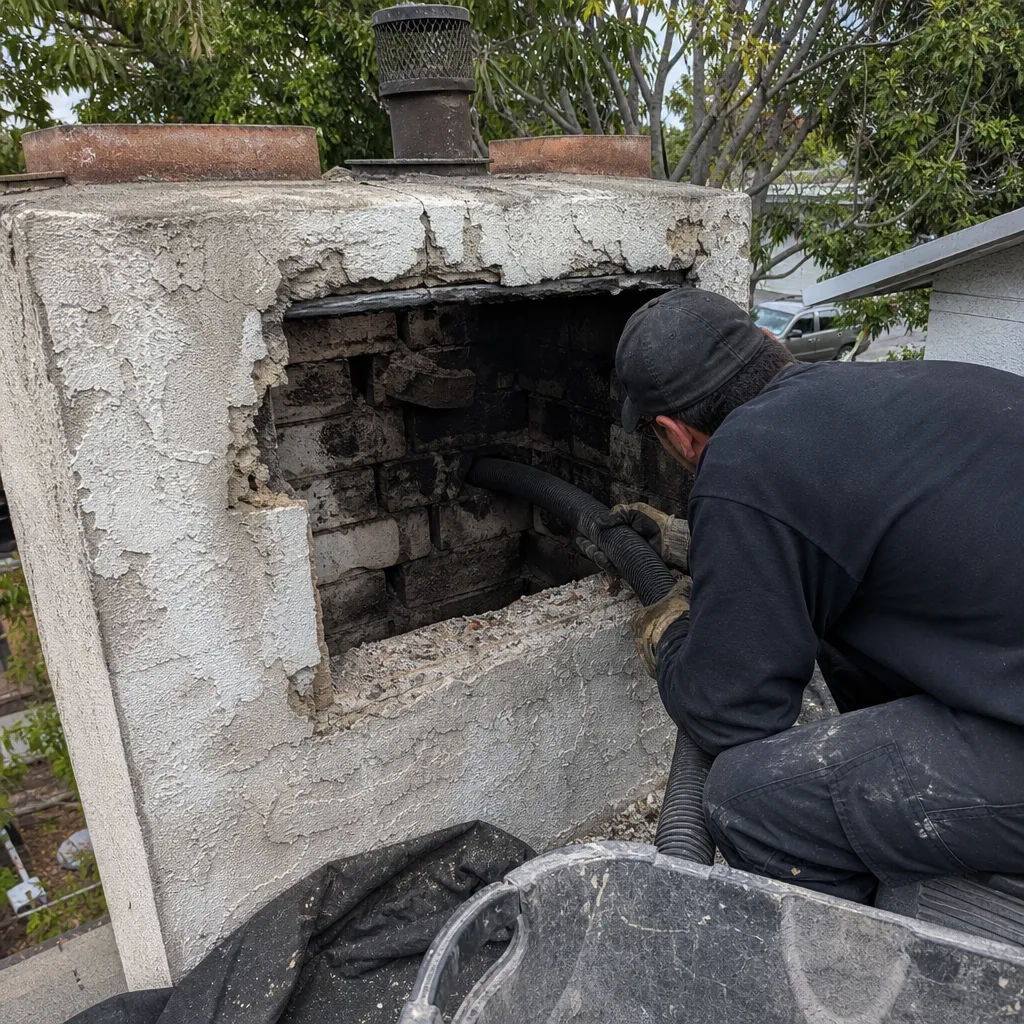 Before
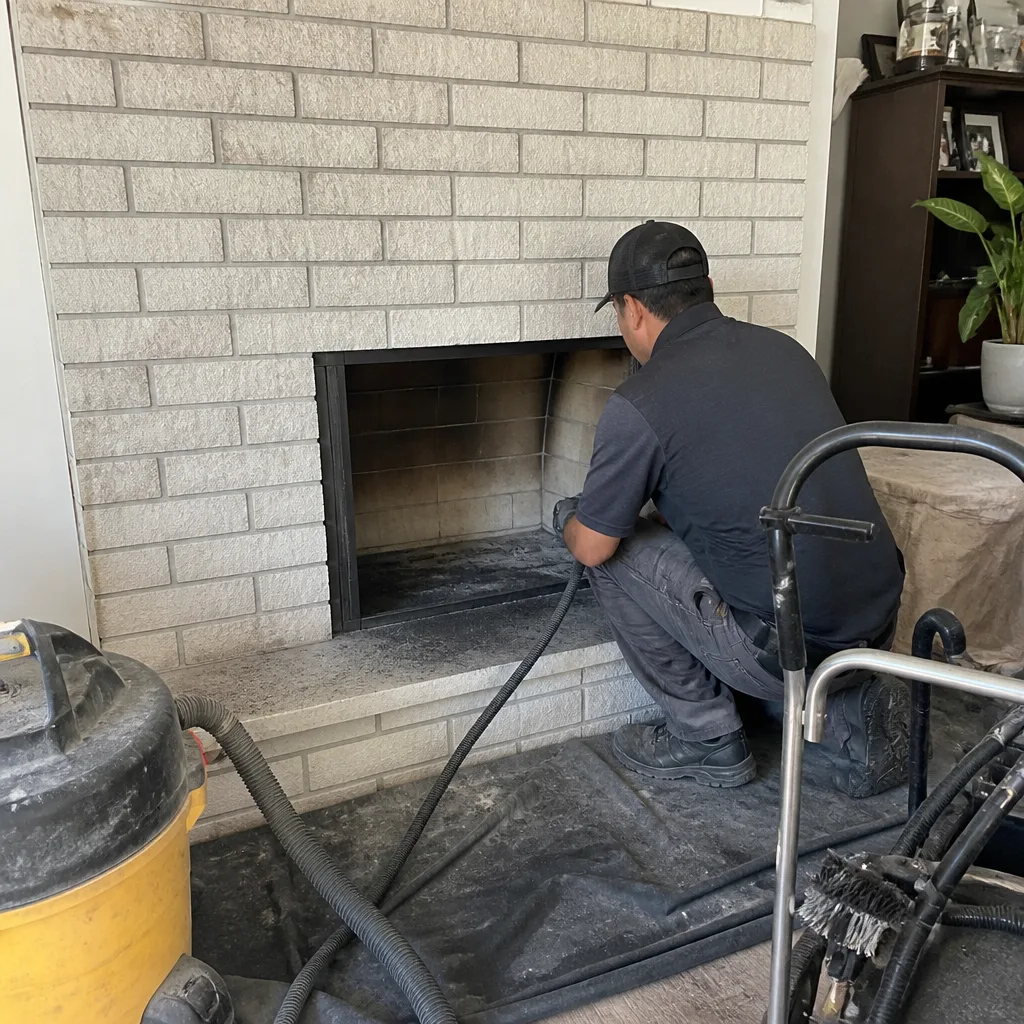 After
AfterReplacement Cost & What’s Included
In Long Beach, an installed HeatShield-type replacement cap generally runs from $340 to $680. The low end covers a standard 6- or 8-inch round cap on a clean, accessible crown with a clear mounting surface. The high end covers larger flues, square tile caps, custom-cut mounting bases, and jobs where we need to patch the crown surface before securing the cap. This is the honest spread: material cost on these caps runs roughly $120 to $310, and the labor covers laddering safely, removing the old cap, prepping the mounting point, and securing the new cap correctly.
Every cap replacement gets a written price before any work starts, and the labor and installation carry the 365-Day Done Right Promise. That guarantee is in writing, and if the cap loosens or fails within a year due to our installation, we return at no charge. The chimney itself is not covered if the crown crumbles away under the cap – that is a separate structural problem, and we’ll tell you if it exists before we start.
DIY or Call Us?
Replacing a chimney cap means working at roof height, on an angled surface, handling a piece of steel while balanced over a drop. We don’t recommend the DIY route for most owners. One honest paragraph, placed here because it matters: a cap swap is not a ladder-and-a-wrench job for a Saturday afternoon. The risk is not the cap itself; it’s the footing. Crews in Southern California see falls every year from roof work that looked simple from the driveway.
What an owner can safely do is check the firebox for water after rain, look for rust staining from the ground, and note whether the cap appears tilted when viewing from the yard. If any of those signs are present, the next step is a phone call to (562) 317-7262. We’ll schedule a look and give you the exact installed price in writing before committing.
FAQs
In Long Beach’s coastal conditions, a galvanized HeatShield cap typically lasts 8 to 12 years before the base collar shows serious rust. Stainless steel versions hold up longer, frequently 15 years or more, because they resist the salt-heavy air better. Call (562) 317-7262 if you are not sure what material your current cap is; we’ll identify it during the visit.
Sometimes. If the cap body is intact and only the mounting collar or set screws have failed, a re-seat with new hardware may solve it for under $150. But if the mesh screen is torn or the base collar has rotted through, replacement is the straight answer. We will show you what we are seeing and never push a replacement when a re-seat does the same job.
Most cap replacements in Long Beach take 45 to 90 minutes on site. That includes removing the old cap, prepping the mounting area, setting the new HeatShield-type cap, and checking the seat before we come down. The exact time depends on roof pitch, crown condition, and how stubborn the old mounting bolts are.
We keep the most common HeatShield-compatible sizes on the truck: 6-inch and 8-inch round caps and 13-inch square caps. Less common sizes take 3 to 5 business days to source through our trade suppliers, and we’ll give you a firm lead time before scheduling. We also work with DuraFlex and Gelco components when they match the existing setup.
Written by Hank Delano, Owner, Flint Chimney Co Long Beach at Flint Chimney Co Long Beach, serving Long Beach and nearby areas.