
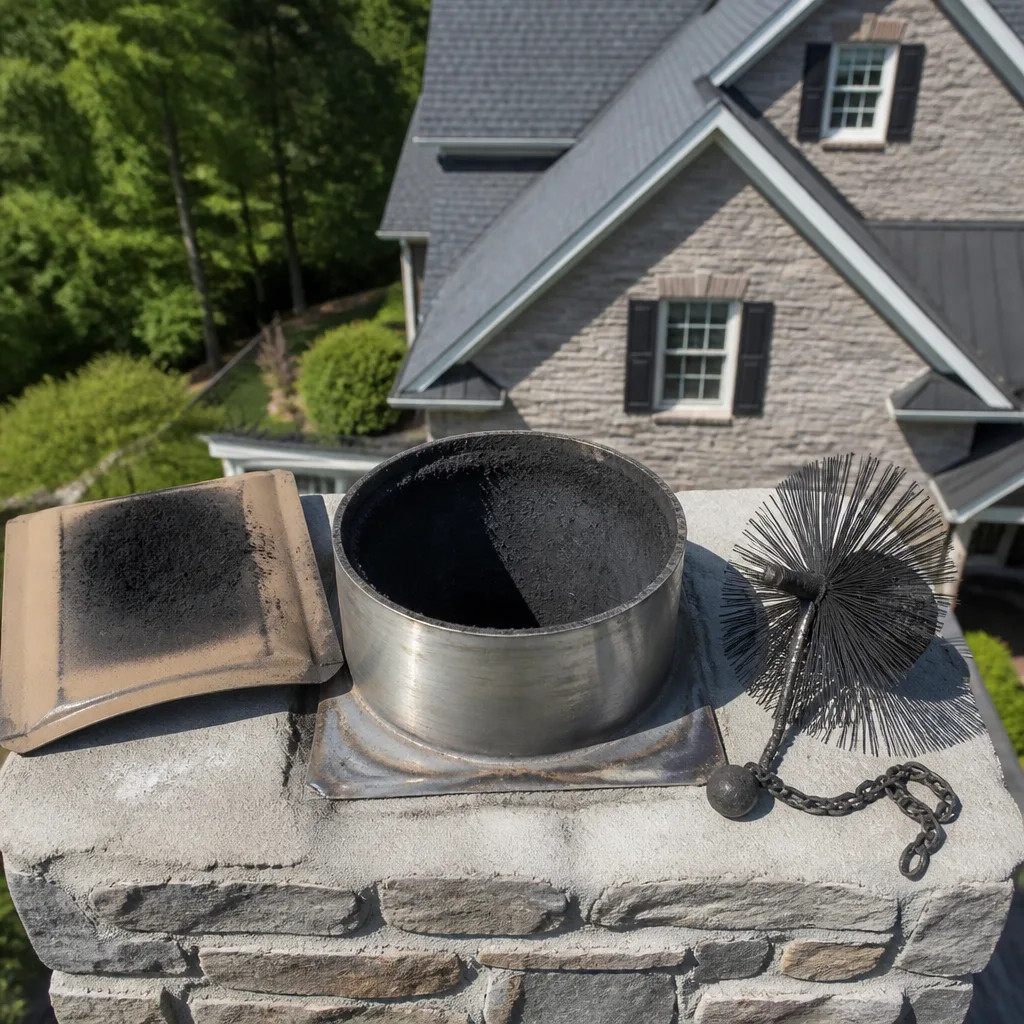
 Sweep & inspection
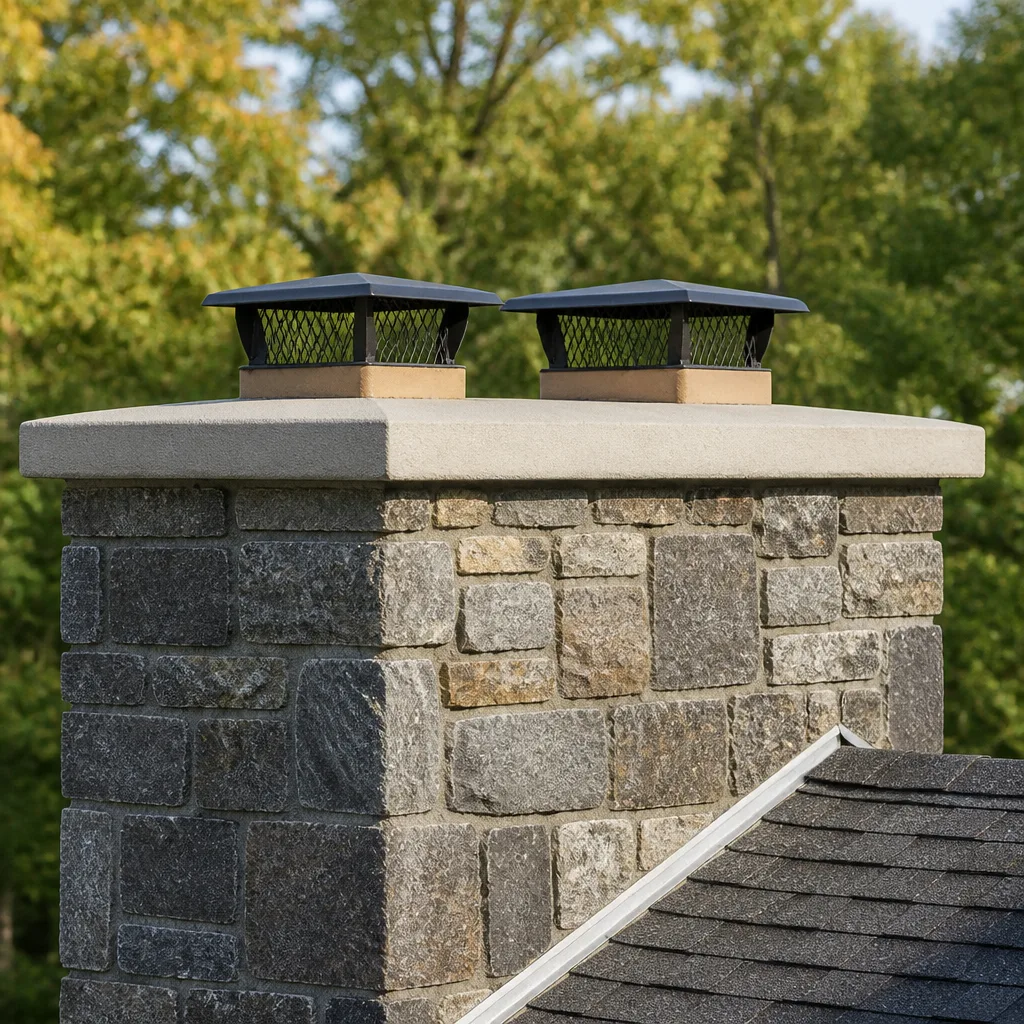 Caps & crowns
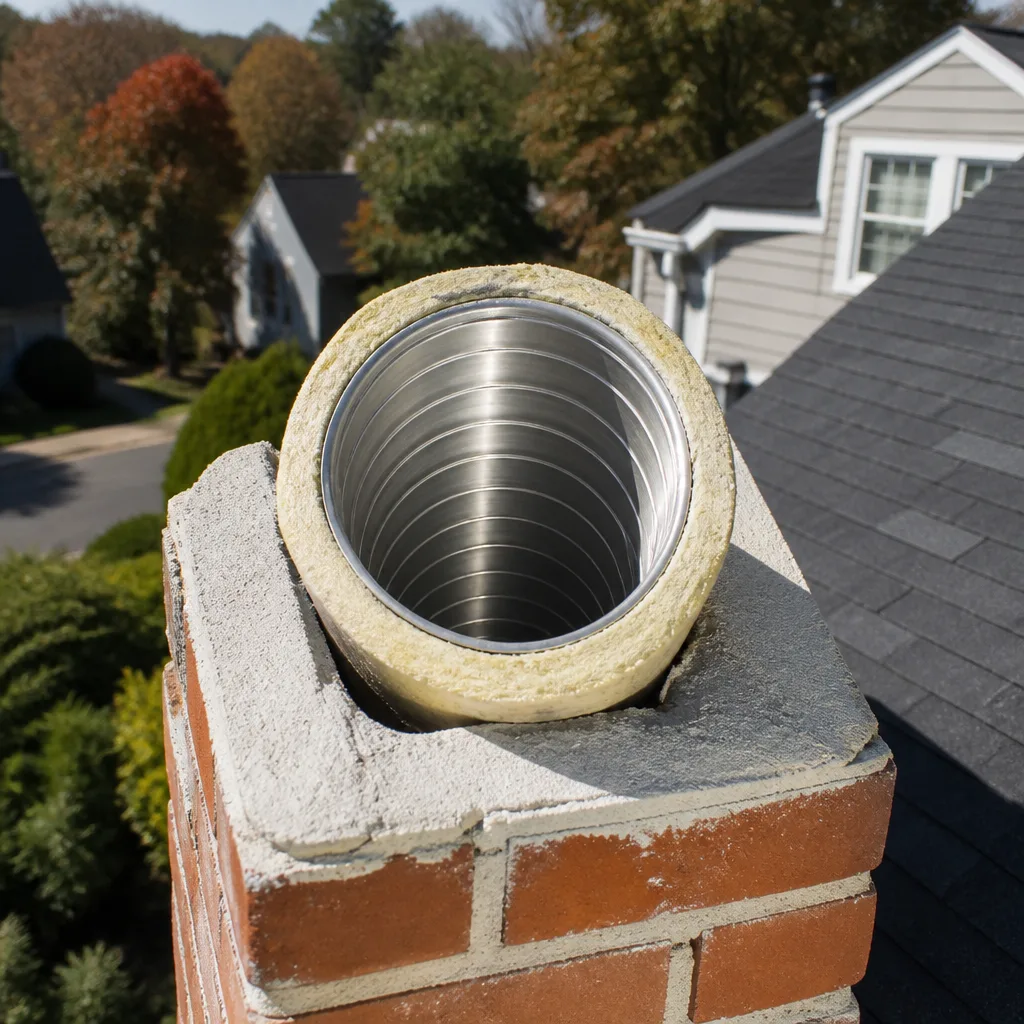 Flue relining
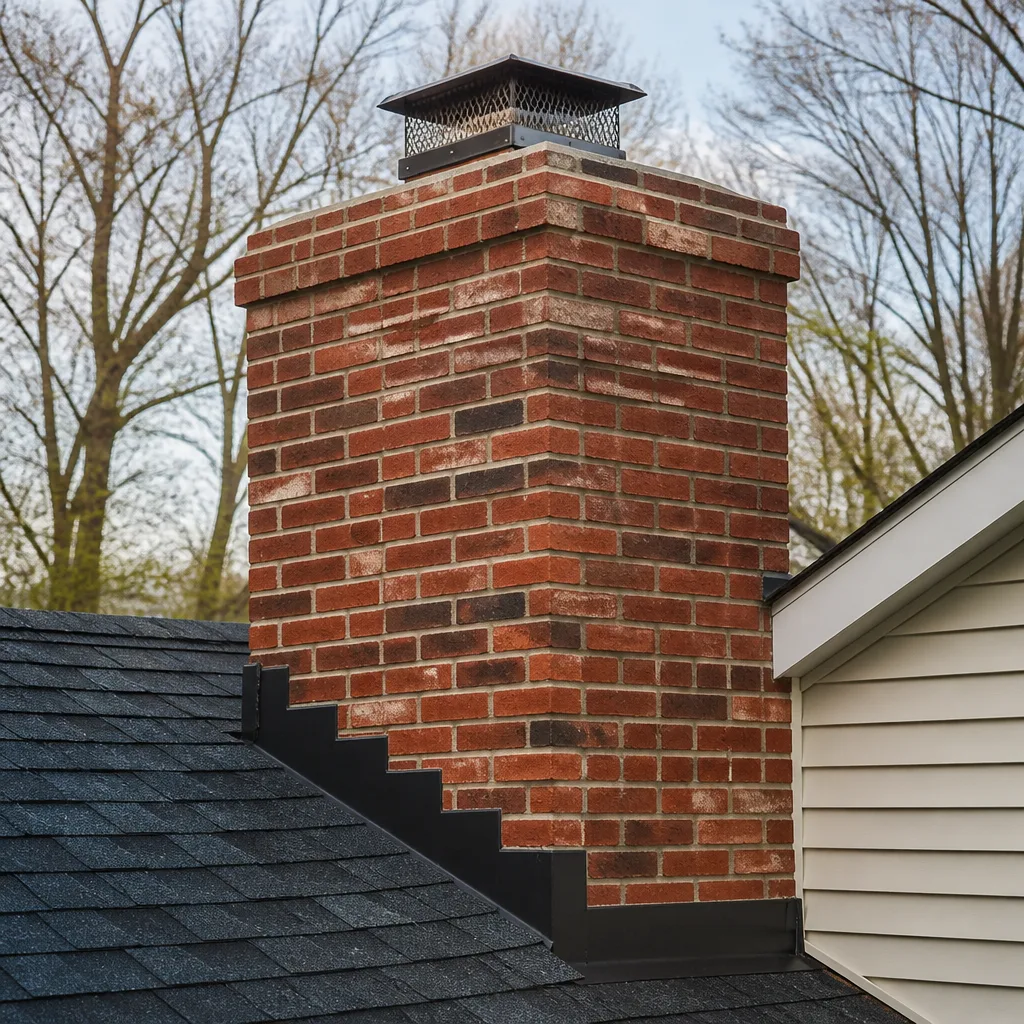 Masonry repair
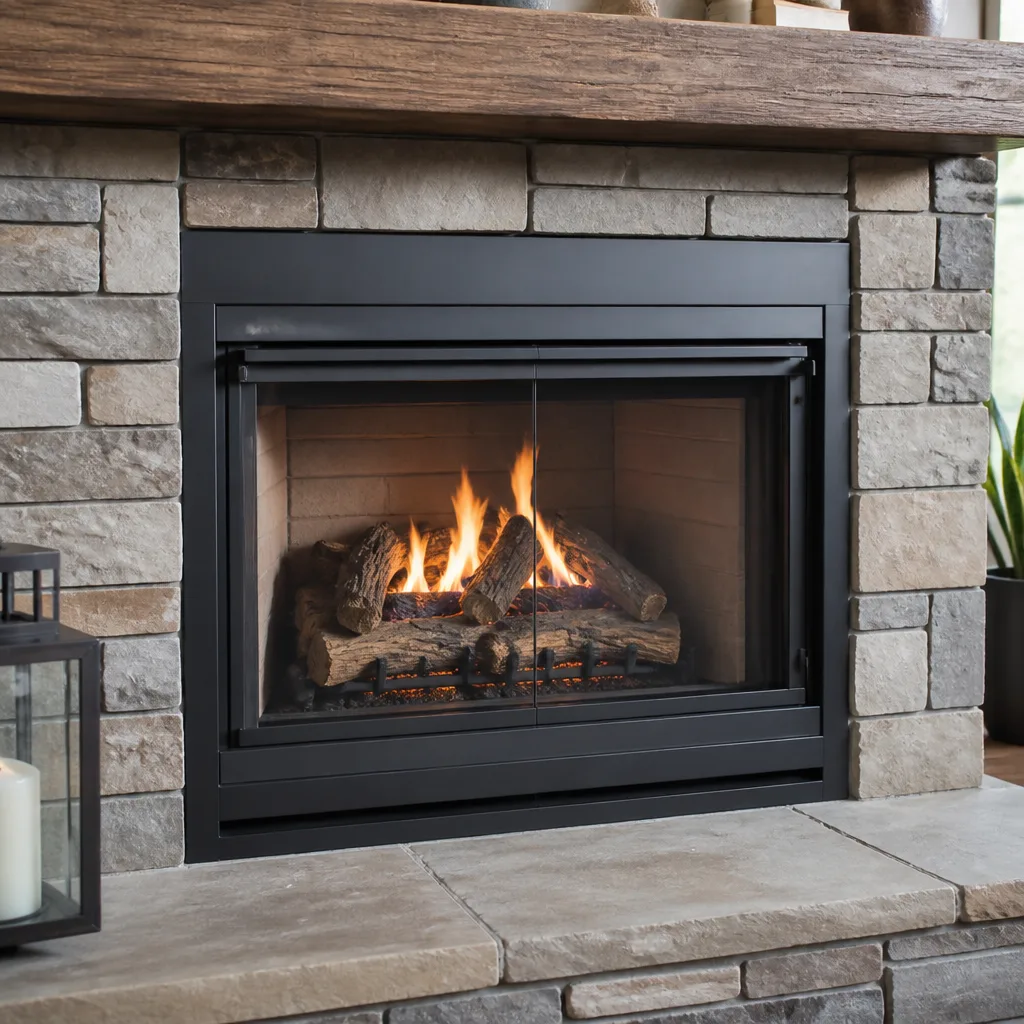 Gas fireplace service
Level 1 sweep and inspection to the NFPA 211 annual standard - flue, crown, cap, and flashing checked and photographed
Chimney sweep logs do not sweep chimneys. They loosen some creosote - which then falls where a brush and vacuum still have to collect it.
HeatShield Chimney Inspection in Long Beach: What to Know First
We inspect HeatShield-lined chimneys in Long Beach every week, and most inspections take about 45 minutes from ladder to report. A standard camera inspection of a HeatShield system runs $189 to $329 depending on flue height and access, and you get a written report with photos before we recommend a single repair. If you own a home with a HeatShield liner or resurfacing product and want to know whether it’s still doing its job, call us at (562) 317-7262 and we’ll schedule a time that works.
This page is for Long Beach homeowners who already have HeatShield in their chimney, or who bought a house where the previous owner installed it. You’ll find what actually goes wrong with these products, how we inspect them, what repairs cost, and what your warranty likely does and doesn’t cover. We’re an independent HeatShield service provider, not a factory-authorized shop, which means we have no incentive to sell you a specific product line. We report what the camera shows.
How HeatShield Products Fail – and How We Fix Them
- Cerfractory joint separation at the flue transition. The HeatShield Cerfractory system uses a cast-in-place ceramic-cement compound, and in Long Beach we see separation where the flue changes direction, especially in older Craftsman-style chimneys in Belmont Heights and Bluff Heights with long, curved smoke chambers. The material is sound, but the bond at the transition can crack from decades of thermal movement. Repair means cleaning the joint back to sound material, re-casting with HeatShield compound, and re-inspecting with the camera. This is repairable; it’s not a replacement.
- Spalling in the smoke chamber above the damper. HeatShield’s resurfacing product for smoke chambers (often installed as part of a full HeatShield restoration) fails differently than original parge coat. We’re looking for a hollow sound when tapped and visible delamination on camera. What homeowners in Naples and Belmont Shore notice first is fine dust on the fireplace hearth that isn’t ash. That’s spalled material, and it means the surface bond is failing. We map the failed area, remove the loose material, and re-apply HeatShield with a proper cure time before firing.
- Improper original HeatShield installation over an unswept flue. This is more common than it should be. HeatShield applied over creosote or glaze won’t bond, no matter how much surface prep was skipped. Our camera inspection identifies this quickly because the liner shows lift-off at the creosote layer boundary. Fix is full removal back to masonry and proper cleaning before re-cast. We see this in Long Beach homes where the previous owner had the chimney “restored” as part of a quick pre-sale prep, then the new owner sees failure within a year or two.
- Gap formation at the flue liner base where it meets the firebox throat. HeatShield systems that terminate above the masonry base can develop a gap at the bottom connection point. The symptom homeowners report is a draft problem: smoke rolls into the room when the fire is lit or when the wind shifts off the Pacific. That gap interrupts the pressure differential. The repair is a re-seal at the transition using the proper refractory sealant and a follow-up camera check to confirm the seal line is continuous.
- Rust-transfer staining on the chase cap from the HeatShield liner top plate. In Long Beach’s salt air, especially within a mile of the water, we see galvanic corrosion where the HeatShield top plate meets an uncoated steel chase cap. It’s not a HeatShield failure per se, but it’s something we catch during inspection and flag as a separate repair item. The fix is usually a stainless replacement cap with a proper gasket and coated fasteners, which stops the corrosion pattern from continuing.
Styles & brands we work with
Our HeatShield Chimney Inspection Process
- 1
We confirm what’s installed. Before touching anything, we identify whether you have HeatShield Cerfractory, HeatShield joint repair, or HeatShield smoke chamber resurfacing. The inspection approach is different for each. Paperwork from the original install helps, but we verify visually.
- 2
We work from the top down. Chimney cap, crown, exterior masonry, and rain cap/seal condition. Long Beach’s salt air and afternoon marine layer mean rust and efflorescence show up earlier here than they would ten miles inland, and we’re looking for both.
- 3
We run the camera from the top of the flue to the firebox. This is where we read the HeatShield surface. We’re looking for cracks, delamination, joint separation, and spalling. Everything we see is recorded, and you get the stills.
- 4
We inspect the smoke chamber and throat area. Mirrored inspection plus camera if access allows. The smoke chamber is where HeatShield repairs often live or die, so this part gets extra time.
- 5
We write the report. Every finding is noted with a photo, a plain-language description, and a written price to fix it or to monitor it. If the liner is fine, the report says so. We don’t invent repair tickets, because Hank’s signature is on the report and he’d rather lose a sale than write up a sound flue.
- 6
We clean up and hand you the report. Simple as that. The chimney is left exactly as we found it, except cleaner. Any repair we do carries the 365-Day Done Right Promise in writing.
See the difference
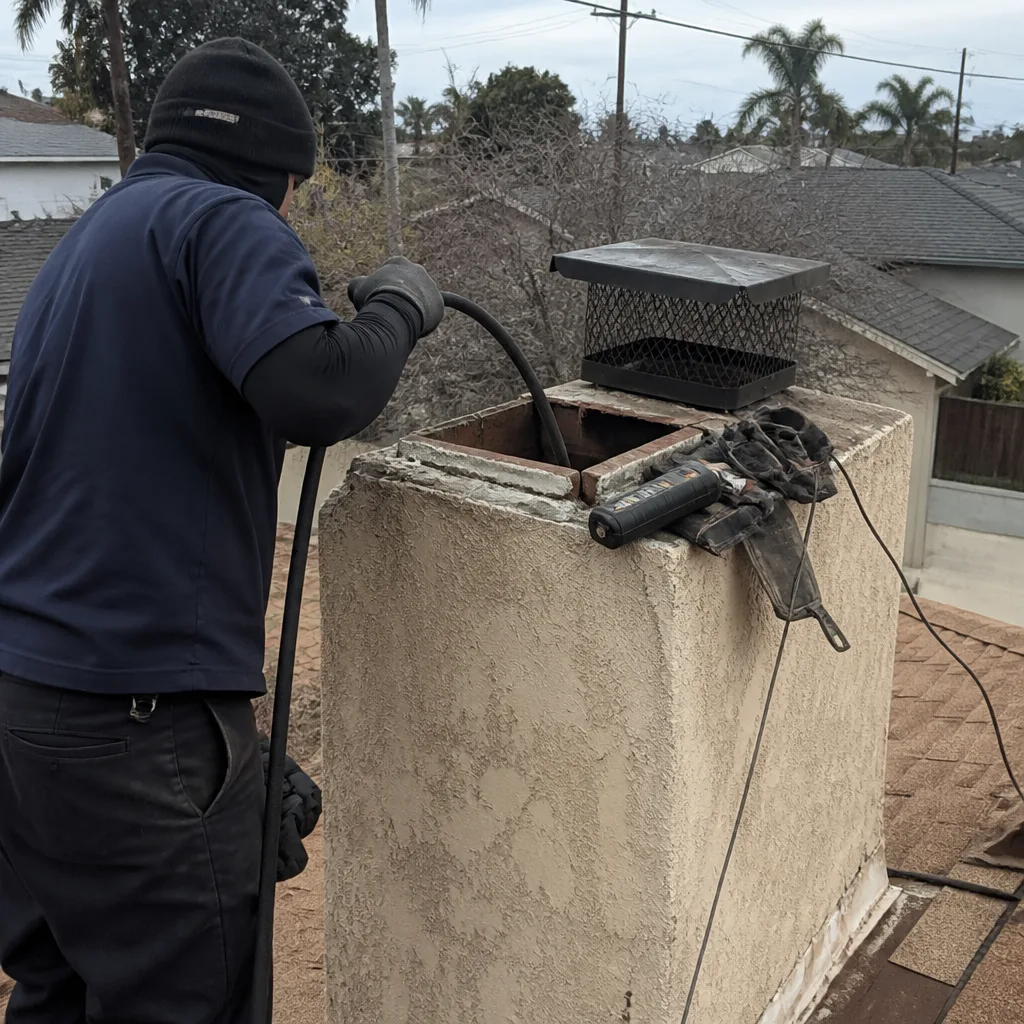 Before
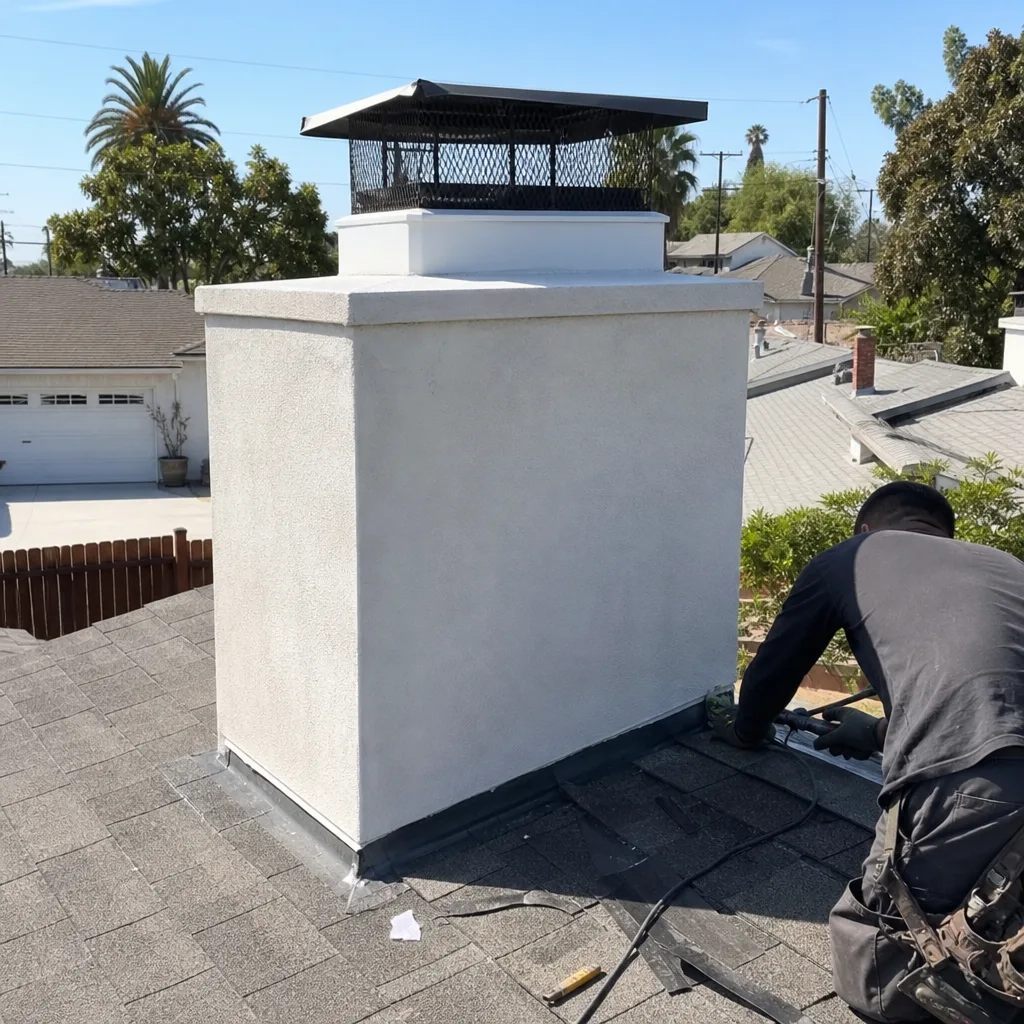 After
After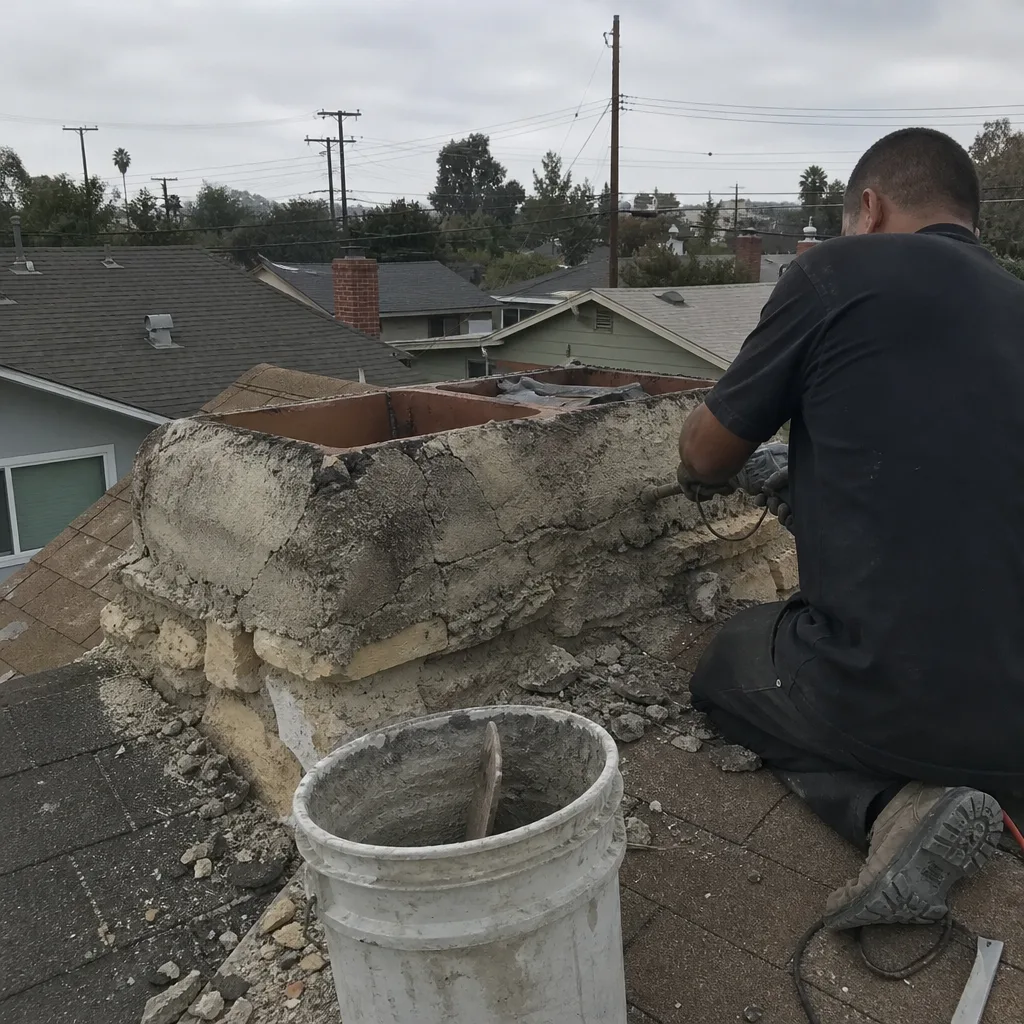 Before
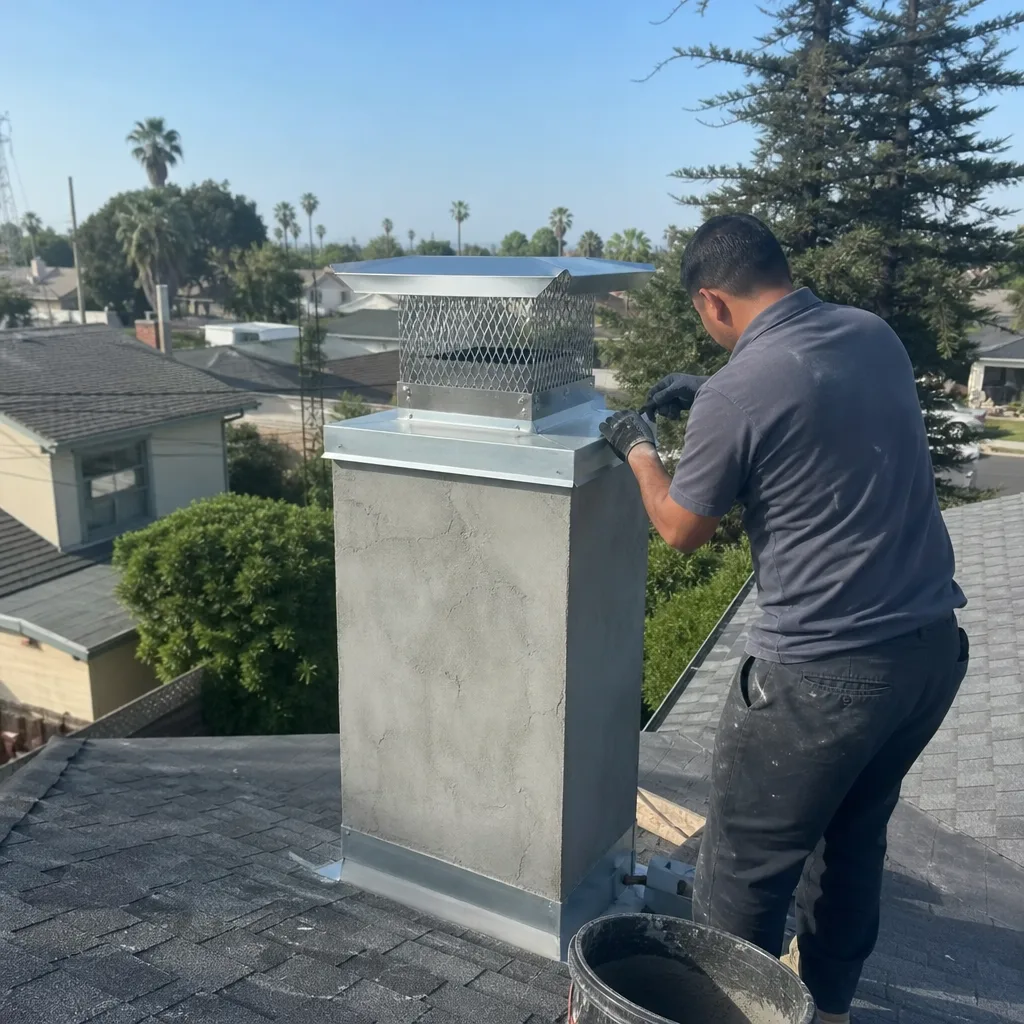 After
After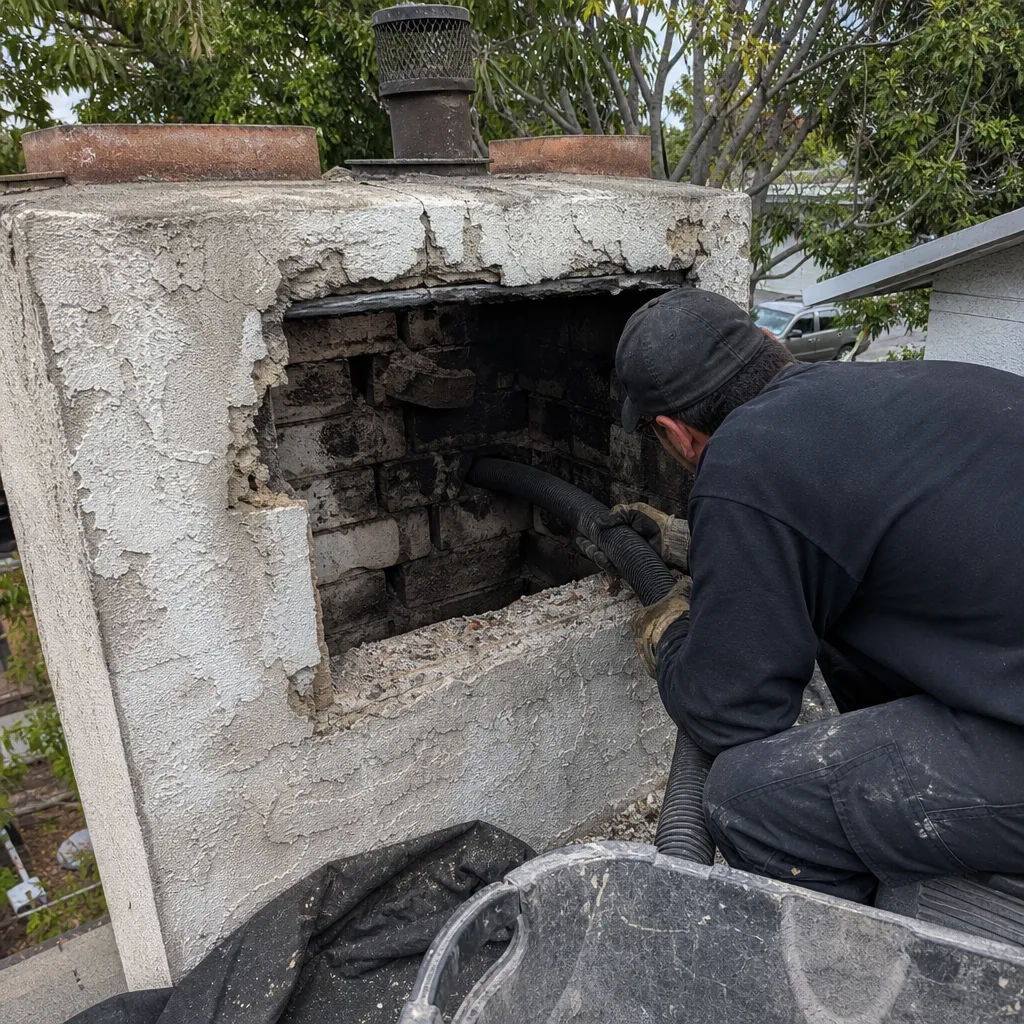 Before
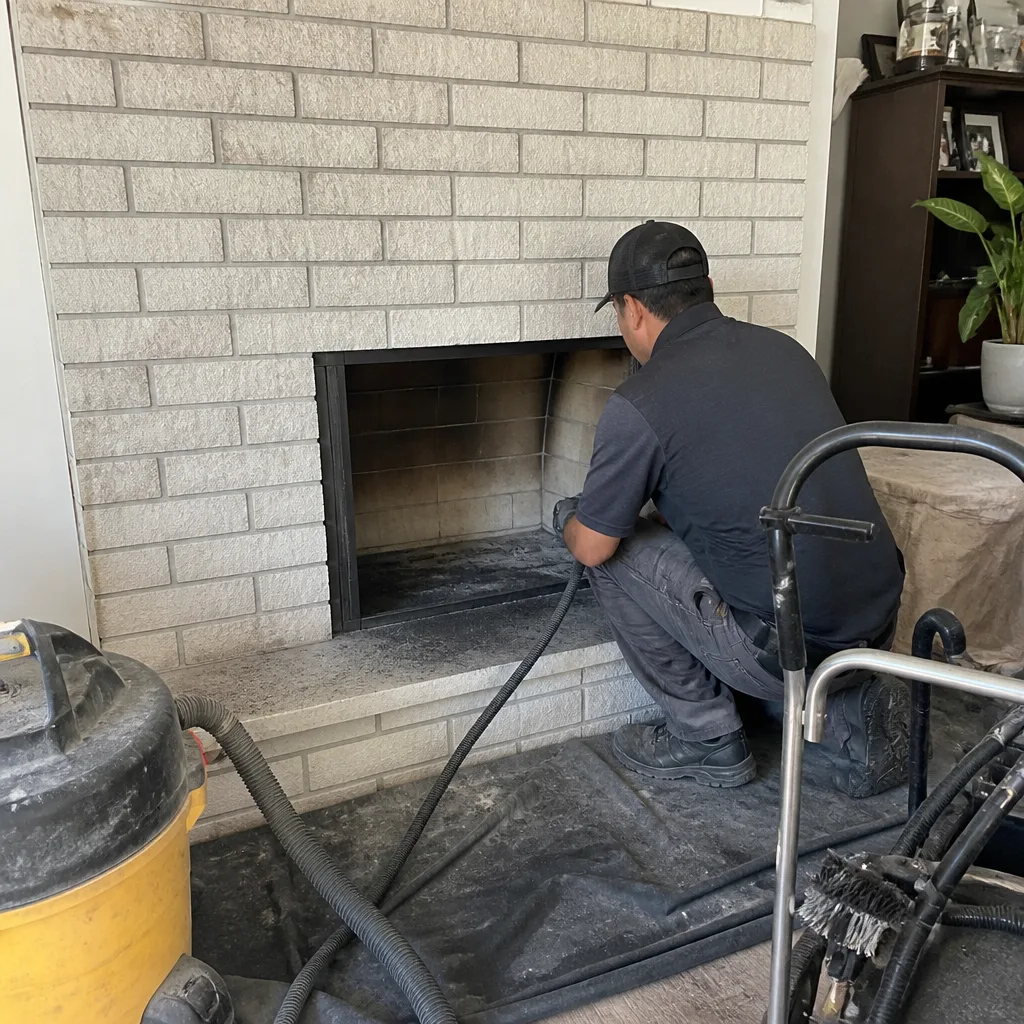 After
AfterWhat HeatShield Chimney Inspection Costs in Long Beach
| Scenario | Typical Cost in Long Beach | What’s Included |
|---|---|---|
| Basic visual inspection (Level 1 equivalent) of a HeatShield-lined flue | $149 – $219 | Top-down visual, damper and firebox check, written summary |
| Full camera inspection of a HeatShield system | $189 – $329 | Full-length video, still photos, written report with findings and recommendations |
| Camera inspection plus smoke chamber scope | $249 – $379 | Everything above, plus detailed smoke chamber evaluation relevant to HeatShield resurfacing |
| HeatShield Cerfractory joint repair (per joint) | $350 – $650 | Clean-out, re-cast at the transition, camera verification, written guarantee |
| HeatShield smoke chamber re-surfacing (partial, depends on area) | $800 – $1,800 | Remove loose material, re-apply HeatShield, cure time, re-inspection |
What moves the price: flue height and access difficulty (a steep roof in Bluff Park costs more than a straightforward two-story in Los Altos), how much failed material has to come out, and whether we need staging or a second tech for safety. Every job gets a written flat price before work starts – the number you approve is the number you pay. Call (562) 317-7262 for a free estimate on a HeatShield inspection or repair.
Why Long Beach Homeowners Call Flint Chimney Co Long Beach for HeatShield Work
Most of our HeatShield calls come from homeowners who’ve already had one company tell them the whole liner needs to be torn out and replaced. Sometimes that’s true. Often it isn’t, and the only way to know is a camera inspection from someone who isn’t selling the replacement. We’ve been inspecting and repairing chimneys in Long Beach long enough to know which HeatShield failures are structural and which are superficial, and we put that distinction in writing with each report. Every repair carries a 365-Day Done Right Promise: if it fails within a year, we come back and make it right at no charge. That’s the Garrison Standard, the same written-commitment code every Garrison Partners location follows.
We also stock and work with DuraFlex and Gelco products, so when a HeatShield repair doesn’t make sense and a different liner system is the right call, we can tell you that straight. But you’ll never get that recommendation from us unless the camera footage backs it up. Hank Delano built this company on showing up, giving a straight report, and not inflating the job. That’s why we put everything in writing before the first tool comes off the truck.
FAQs
No. An inspection by an independent chimney company like Flint Chimney Co Long Beach does not void a HeatShield warranty. What can void it is unapproved repair work, like applying a non-HeatShield sealant over the Cerfractory surface or performing a liner repair the manufacturer didn’t sanction. We’ll tell you before any repair whether the work is warranty-safe or whether it could affect a claim. Call (562) 317-7262 if you’ve got the warranty paperwork; we’ll review it during the inspection.
We schedule most HeatShield inspections in Long Beach within 3 to 7 business days, and we give you a written arrival window when you book. The inspection itself runs about 45 minutes for a typical single-flue house, longer for multi-story homes or chimneys with difficult roof access.
You can usually repair HeatShield. Joint separation, limited spalling, and bond failure zones can be re-cast and re-surfaced without removing the entire system. We’ll know after the camera inspection. If the HeatShield is intact but the underlying flue tile has shifted or collapsed, then full relining with a new system (including DuraFlex or Gelco options) may be the right move. We’ll show you the footage and let you decide.
A camera inspection shows the bond surface. Visual checks from the top and bottom only reach a few feet without a scope. HeatShield failures are often mid-flue and invisible from either end. That’s why we run the camera the full length and give you the stills.
Once a year if you burn more than twice a week during the cooler months, and at minimum every two years even if you barely use the fireplace. Salt air and the marine layer in Long Beach accelerate rust on metal components around the liner top, and regular inspections catch small issues before they become liner failures.
Written by Hank Delano, Owner, Flint Chimney Co Long Beach at Flint Chimney Co Long Beach, serving Long Beach and nearby areas.